9 Ways to Support Mental Health with Herbs on Blue Monday and Beyond
Have you heard of Blue Monday? It’s often mentioned at this time of year, with a lot of buzz online and maybe even in your day-to-day interactions. But what is Blue Monday, and why are people talking about it?
Blue Monday is said to be “the most depressing day of the year” and typically falls on the third Monday in January. You may or may not be surprised to learn that “Blue Monday” was first used as a marketing tool and is not a scientifically proven fact.
That said, many people do experience a drop in mood around this time of year. This is often due to factors such as reduced sunlight, post-holiday blues, and seasonal changes. All these challenges can contribute to Seasonal Affective Disorder (SAD) and other types of depression.
Even though Blue Monday is just a catchy phrase, it’s true that a lot of people feel depressed, anxious, or moody at this time of year. These issues interplay with our serotonin, dopamine, and cortisol levels, but thankfully, our herbal allies are here to help. In this article, we’ll explore how herbs and lifestyle practices can support seasonally influenced mental health during darker, colder seasons.
9 Ways to Support Mental Health with Herbs on Blue Monday and Beyond
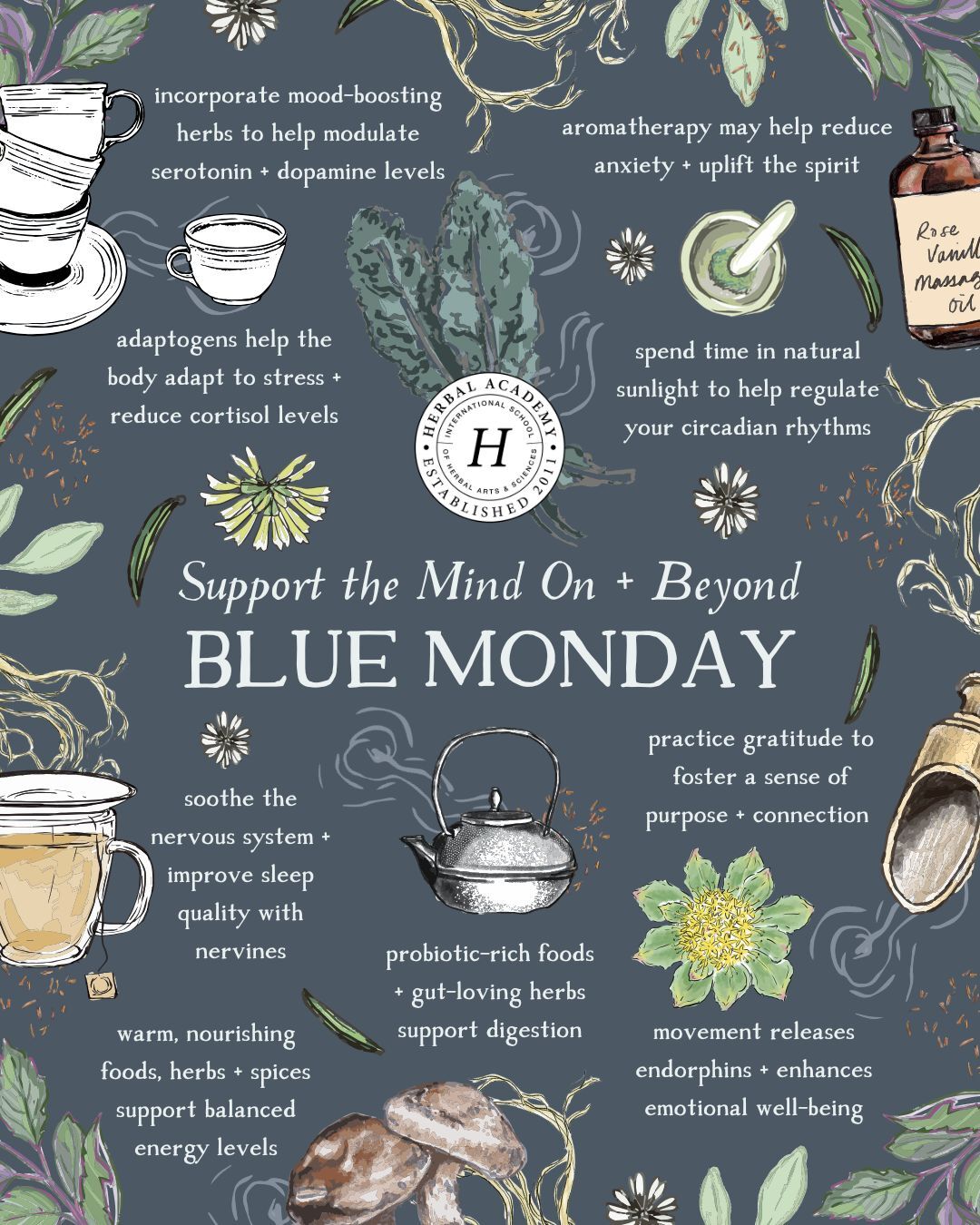
The following ideas focus on simple, accessible ways to work with herbs and lifestyle rhythms to feel more supported during the winter season. These practices may be helpful for those experiencing Seasonal Affective Disorder (SAD) or the winter blues. See a trained healthcare professional if depressive symptoms are severe, persistent, or interfere with day-to-day functioning.
Mood-Boosting Herbs
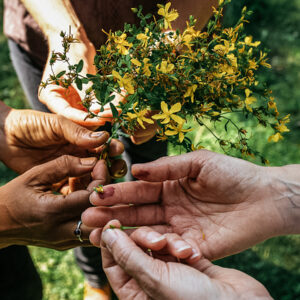
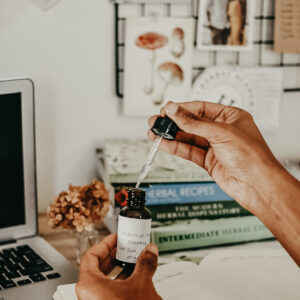
Many herbs offer mood support and help build emotional resilience. Nervine and adaptogen herbs such as St. John’s wort (Hypericum perforatum), oat (Avena sativa) milky tops, lemon balm (Melissa officinalis), tulsi (Ocimum tenuiflorum), and/or rhodiola (Rhodiola rosea) can support seasonal depression, anxiety, and mental fatigue, promoting emotional stability. These can be incorporated into teas, tinctures, electuaries, and oxymels. Many also work well in foods like soups, stews, and energy balls, which provide an additional way to incorporate these herbs for ongoing support.
For further reading on nervines and adaptogens for mood support:
5 Herbs for Mental Health Support
Boost Your Confidence with Herbs for Self-Doubt
Transform Your Day with Herbs that Motivate
Aromatherapy for Anxiety
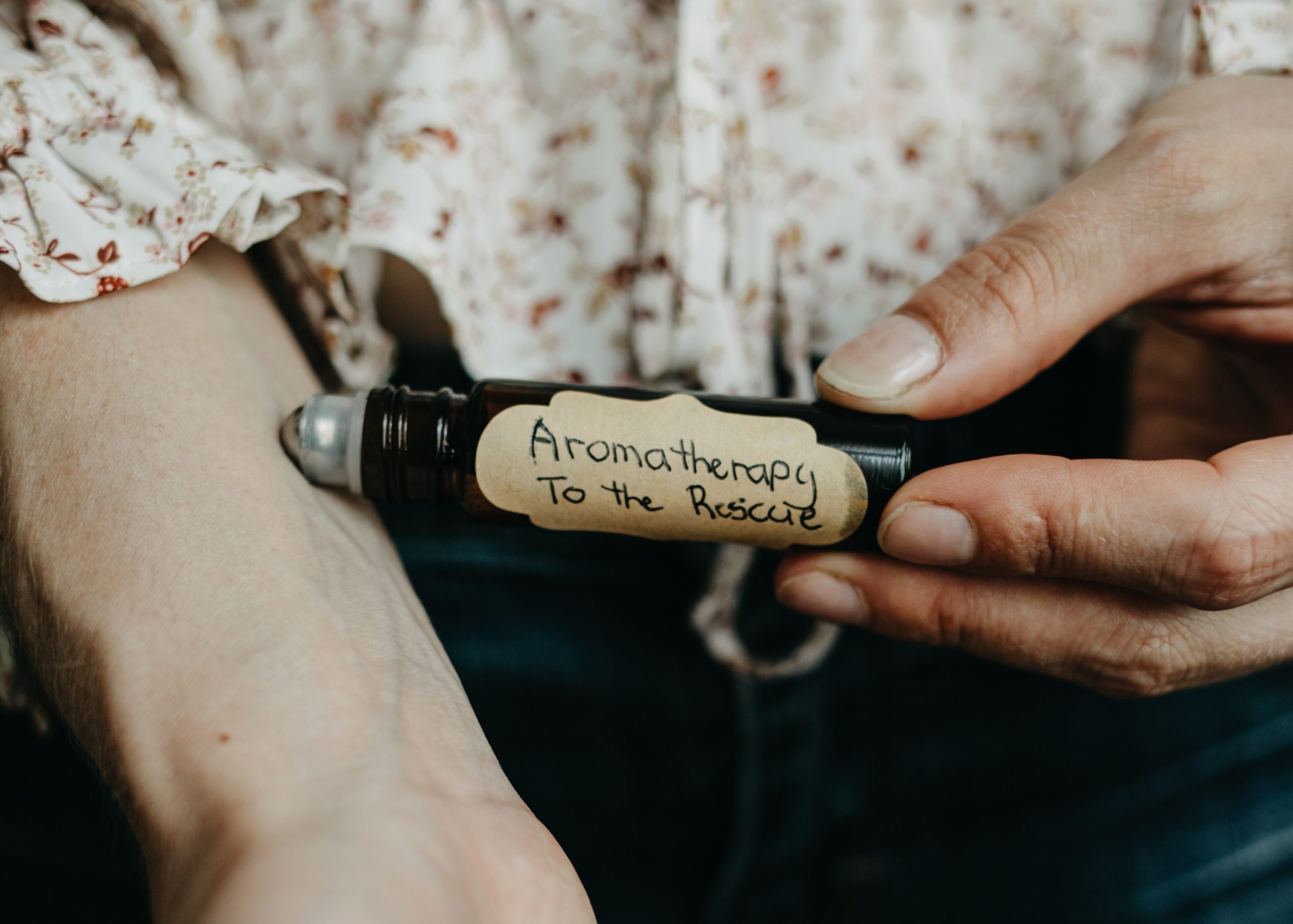
Our sense of smell can have a powerful impact on mood and emotions. One of the easiest ways to activate this sensory pathway for support is to use uplifting essential oils. Some favorites among aromatherapists include lavender (Lavandula angustifolia), lemon balm, bergamot (Citrus aurantium subsp. bergamia), sweet orange (Citrus x sinensis), and lemon (Citrus x limon).
Direct inhalation of essential oils is a good choice for personal use and is easy to implement with an aromatic inhaler stick or a few drops of essential oil on a cotton ball. Essential oil diffusers are also a great option, but keep in mind that they impact everyone in the space. This can be a wonderful thing, but it is important to be aware of pets or children that might be affected and make any necessary adjustments. Keep in mind that intermittent diffusion is considered more beneficial than continuous diffusion. Aromatherapy educator and safety expert Robert Tisserand (2021) suggests 30-60 minutes of diffusion, followed by a 30-60 minute break, which can be repeated throughout the day.
For further reading on how essential oils support mood, visit the following articles:
How to Use Aromatherapy for Olfaction Support in the Emotional Sphere + 3 Essential Oil Recipes to Support Your Emotions
Essential Oils for Anxiety and Stress Support
Using Aromatherapy for Stress Support
Adaptogens for Stress Resilience
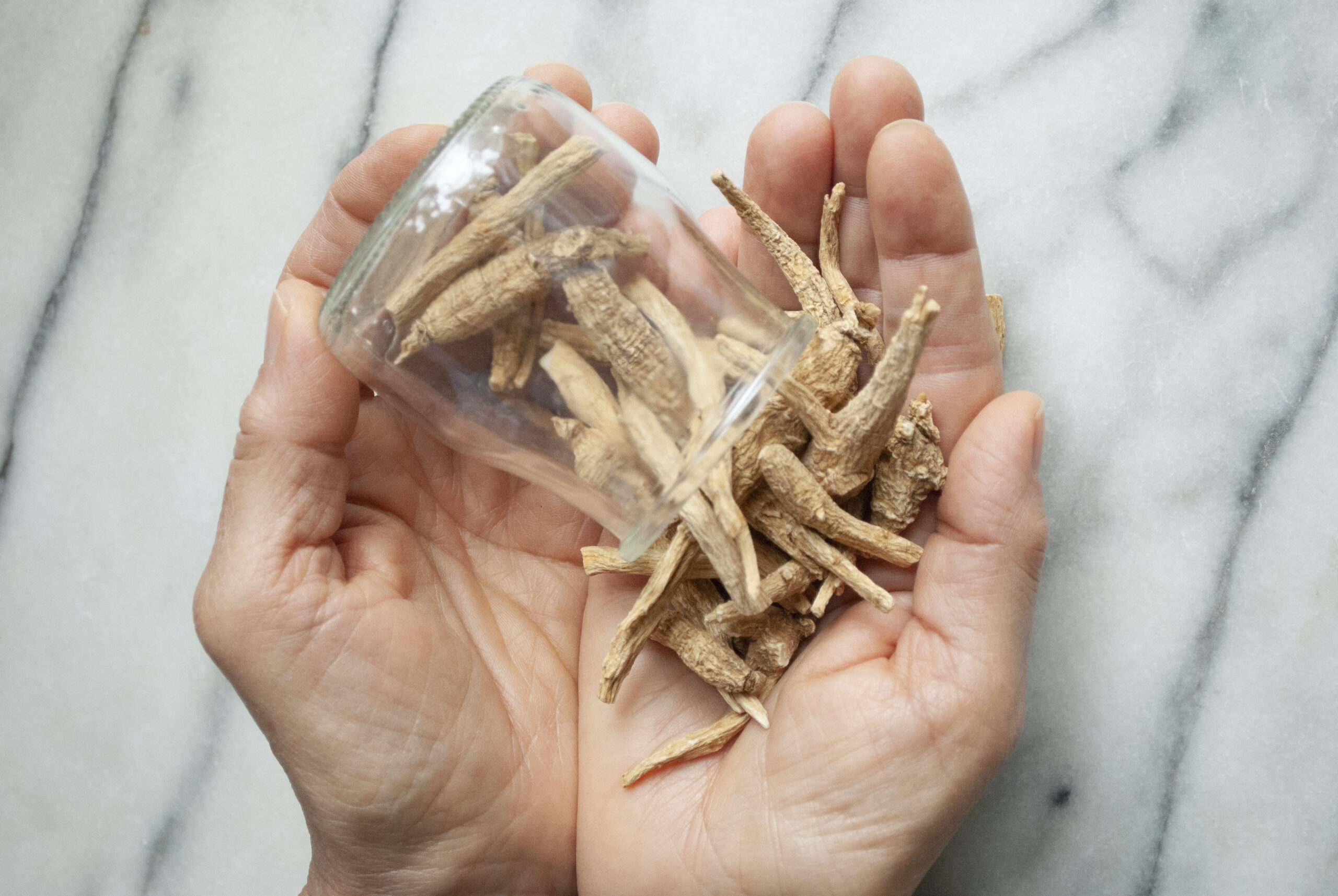
Whether it is Blue Monday or any other time of year, when you are feeling the impacts of stress, adaptogens can provide support. Adaptogens help the body cope with all kinds of stress, including physical, emotional, and mental stress. Some well-loved adaptogens are ashwagandha (Withania somnifera), rhodiola, astragalus (Astragalus mongholicus), and tulsi. Ashwagandha, in particular, has been widely studied and shown to support healthy cortisol levels and reduce perceived stress when used consistently over time (Chandrasekhar et al., 2012; Lopresti et al., 2019).
Adaptogens can be incorporated via supplements, but they also work well in foods like soups, energy bites, and homemade nut butters. They also taste great in herbal beverages such as lattes, smoothies, and even morning coffee.
To start including adaptogens in your diet, try the following recipes:
Adaptogen Bliss Balls
Adaptogen Cherry Bites
Stay Calm Adaptogen Syrup with Ashwagandha and Eleuthero

Sunlight for Circadian Rhythm Support
The shorter days of winter can be one of the contributing factors to the lower mood many of us feel during this season. Less sunlight may disrupt the body’s circadian rhythms and alter hormone levels that affect mood and sleep, such as cortisol and melatonin. One of the best ways to help control these rhythms is to spend time in natural sunlight, especially in the morning. Getting some morning light, even just 5-10 minutes outside, tells your body that it’s time to wake up and be alert. This helps lower melatonin levels, raise cortisol levels (which is important in the morning), and keep your sleep-wake cycle healthy. For those with very limited access to sunlight during the winter months, light therapy with a light box that gives off at least 10,000 lux can be supportive.
Nervines for Sleep Quality
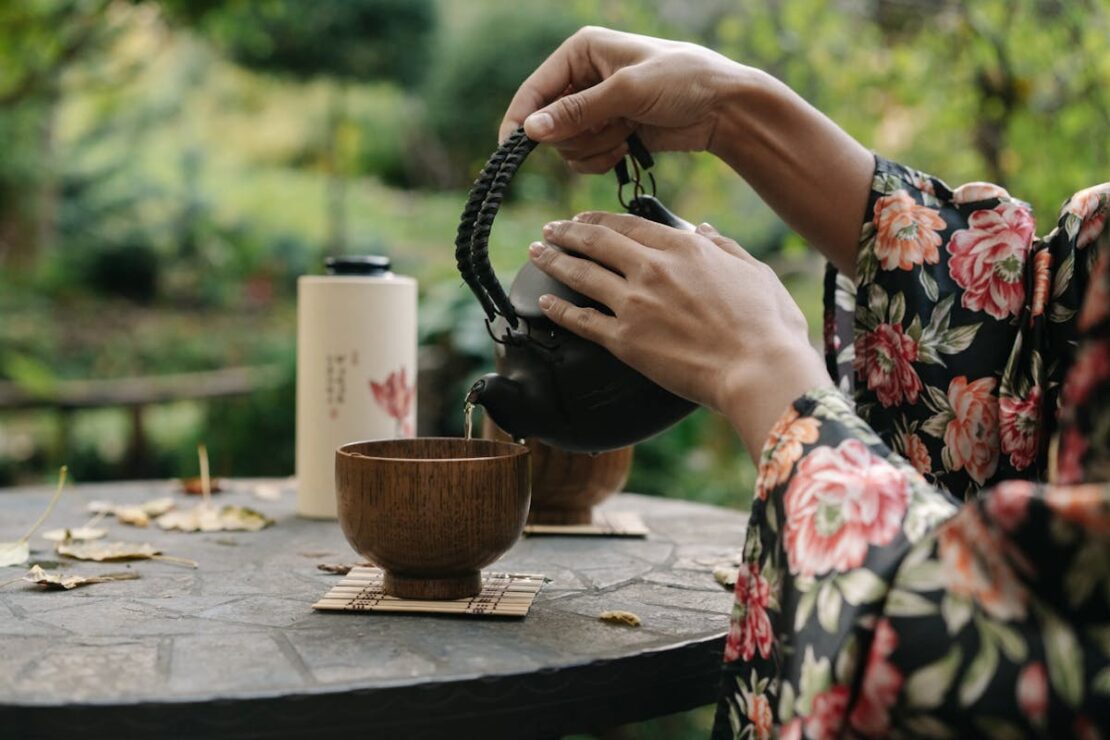
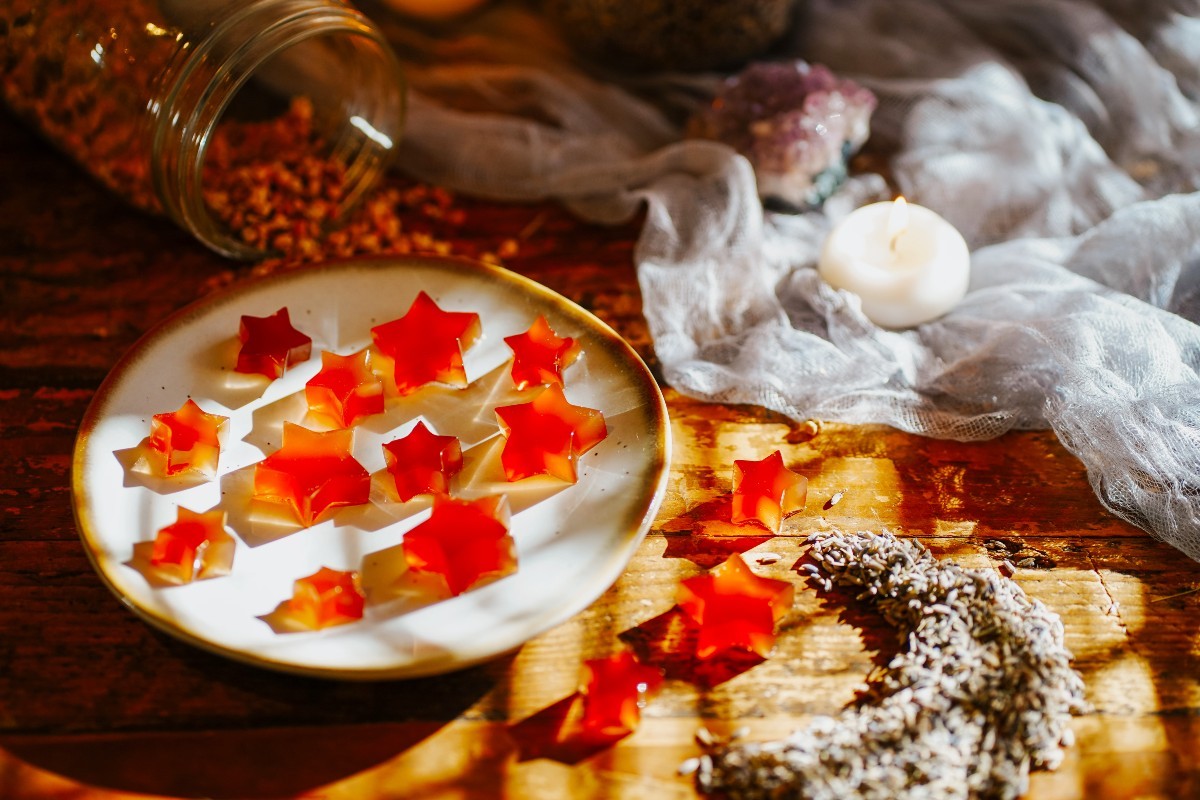
Nervines are herbs that support the nervous system, helping calm anxiety and restlessness while promoting relaxation. Nervines such as chamomile (Matricaria chamomilla) and lavender help to gently soothe the nervous system, ease tension, and improve sleep. These herbs work well together as part of a nightly ritual, with lavender making a lovely dream pillow that can be tucked into bed with you, and chamomile being a relaxing nighttime tea that can be sipped before bed to encourage the body (and mind) to unwind and rest. We’ve also paired these herbs in a delicious recipe for Sweet Sleep Gummies, and you’ll find them in Aviva Romm’s Gentle Evening Tea Blend recipe, too!
While chamomile and lavender are familiar herbs to many, there are a number of other calming nervines that work wonderfully for nervous system and sleep support, such as passionflower (Passiflora incarnata), skullcap (Scutellaria lateriflora), oat milky tops, and tulsi.
Probiotic Foods and Herbs for Gut Support
At first, it may seem unusual to look to gut health for mood support, but research shows that the gut and brain are closely connected through the gut-brain axis. It’s even suggested that probiotics may aid in manufacturing neurotransmitters such as serotonin (Ferranti et al., 2014), which is linked to mood. Including foods high in probiotics in regular meals can support the development of a healthy gut microbiota, which can enhance digestion and contribute to overall wellness. Some options include yogurt, kefir, sauerkraut, and fermented drinks such as our deliciously wintery Fermented Pine Needle Soda!
Herbs can help keep your gut healthy by easing inflammation, promoting digestion, and maintaining the integrity of the gut lining. Herbs with vulnerary, demulcent, mucilaginous, and carminative actions can all be useful for digestive health. Some favorites include marshmallow (Althaea officinalis), plantain (Plantago spp.), tulsi, cinnamon (Cinnamomum spp.), fennel (Foeniculum vulgare), ginger (Zingiber officinale), and chamomile. These work beautifully in teas and tinctures.
To learn more and build your own supportive tea blend, read our post:
How to Formulate a Gut-Nourishing Herbal Tea Blend
Promote Healthy Gut Flora with a Prebiotic Herbal Electuary
Custom Craft a Delicious Gut-Healing Tea Masterclass (available to members of The Herbarium)
Foods and Spices for Nourishment
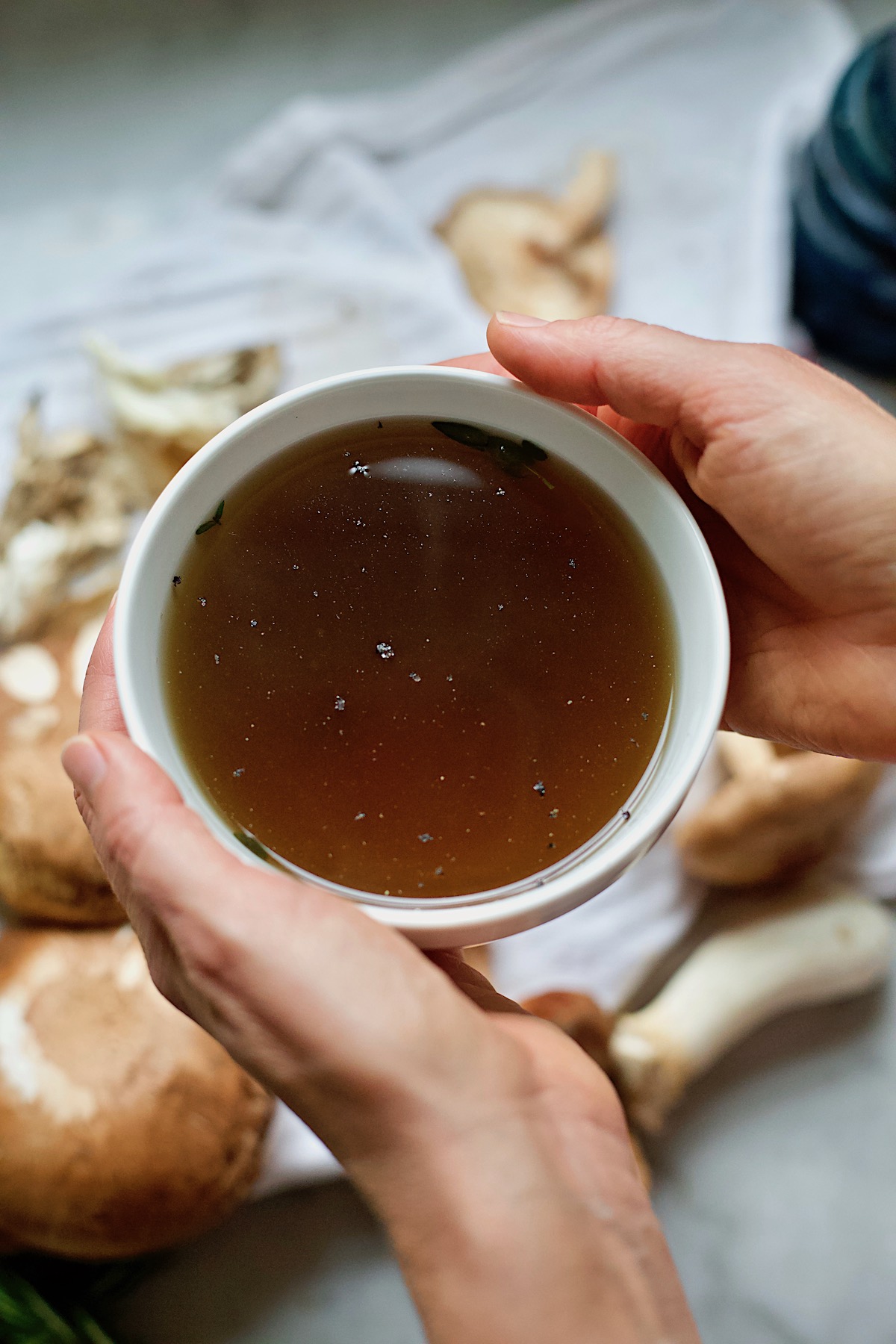
The winter season is a natural time to include warming foods in our diets. Not only do they fit easily into meals we are already eating, such as soups and stews, they also aid in stimulating circulation, which can warm us physically, encourage healthy digestion, and boost energy. Some warming spices support balanced blood sugar, which may help keep our energy levels steady. Warming herbs and spices to consider include black pepper (Piper nigrum), cinnamon, cardamom (Elettaria cardamomum), cayenne (Capsicum annuum), clove (Syzygium aromaticum), garlic (Allium sativum), ginger , nutmeg (Myristica fragrans), and turmeric (Curcuma longa). Besides soups and stews, many warming herbs are also delicious in teas and herbal lattes, like this Golden Turmeric Latte and Gingerbread Latte.
To bring in additional herbs for nourishment, try these recipes:
DIY Herbal-Infused Broth
Warming Turmeric Cauliflower Soup
Nourishing Herbal Soup Seasoning Mix
Gratitude for Connection
Research suggests that intentionally practicing gratitude can improve mental health and ease feelings of anxiety and depression (Diniz et al., 2023). This may help counter winter-related mood concerns by increasing positive emotions. Simple ways to adopt this practice include writing in a journal, sharing gratitude with a friend, or beginning a daily gratitude ritual paired with a cup of tea. Noticing all we have to be thankful for can lift our mood and foster a sense of connection with the world around us, helping shine a light at the end of the winter tunnel and reminding us that brighter days are ahead.
Movement for Mood Balancing
Movement plays a powerful role in supporting emotional well-being, in part because physical activity stimulates the release of endorphins, neurochemicals that help elevate mood and reduce the perception of stress and pain. Regular movement is commonly recommended as part of a supportive approach for Seasonal Affective Disorder (SAD), especially when paired with outdoor light exposure.
We know movement makes us feel better, and research also shows the antidepressant effects of exercise. A systematic review and meta-analysis of studies showed that exercise led to a moderate to large reduction in depressive symptoms compared to no treatment, placebo conditions, or standard care (Josefsson et al., 2014).
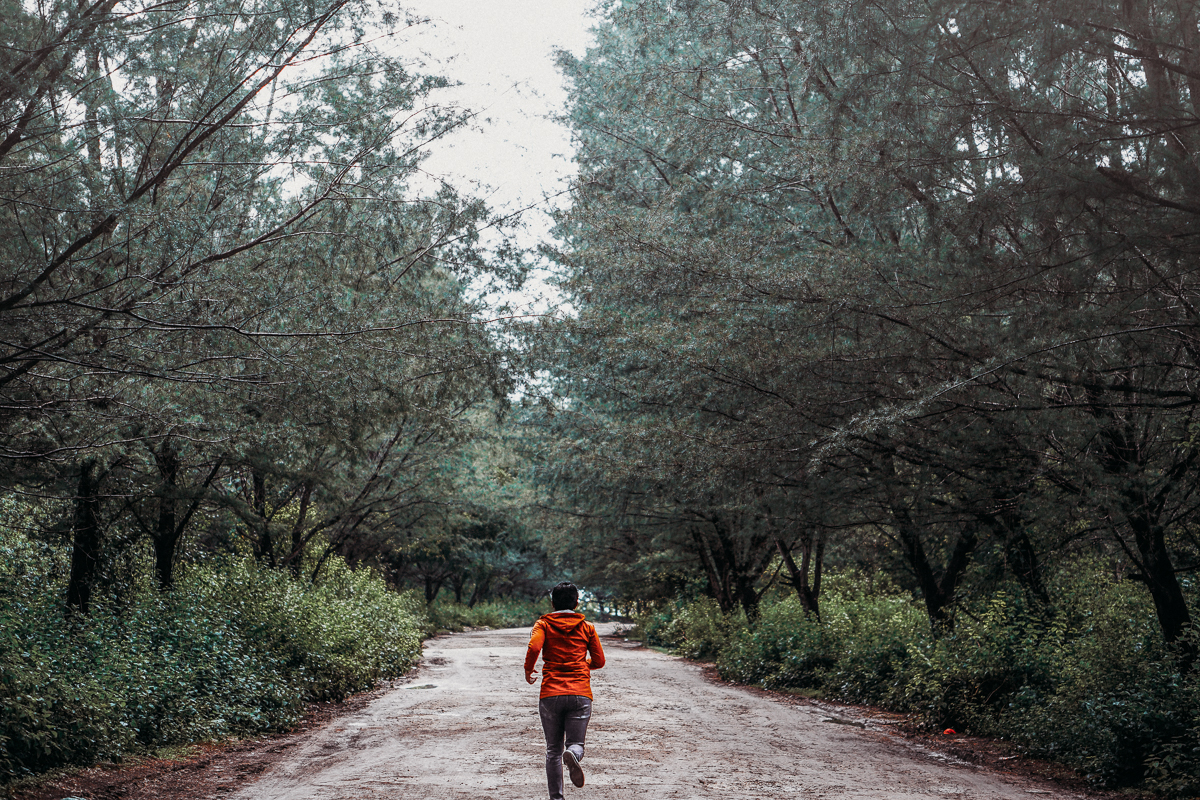
In the winter, we often move our workouts indoors, but putting on warm clothes and going for a walk outside is a simple way to get exercise, natural light, and the mood-boosting effects of being in nature all at the same time. This doesn’t have to be an all-or-nothing commitment; walking outdoors just a couple of times a week is beneficial!
In Closing,
While Blue Monday may have its origins as a marketing tactic, the emotional challenges many people face during winter are very real. Seasonal Affective Disorder is something many experience during this season. Thankfully, herbal support and simple lifestyle habits can do a lot to boost mental and emotional health during this time of year. If winter feels heavy, remember that there are gentle, plant-based ways to bring in more light and balance to these darker days.
If you’re feeling the weight of winter and looking for natural options to support your mood, the Herbs for Seasonal Affective Disorder Ebook + Webinar offers a deeper dive into herbal and lifestyle support. This 45-minute webinar and ebook explore uplifting herbs, along with simple, practical ways to work with them during the darker months. This offering includes nine nourishing, mood-supportive recipes, including herbal mocktails, elixirs, and cozy drinks, to help you bring these herbs into everyday life. If you’re ready to feel more energized and resilient through winter, this bundle is a great place to start.
REFERENCES
Chandrasekhar, K., Kapoor, J., & Anishetty, S. (2012). A prospective, randomized double-blind, placebo-controlled study of safety and efficacy of a high-concentration full-spectrum extract of ashwagandha root in reducing stress and anxiety. Indian Journal of Psychological Medicine, 34(3), 255–262. http://doi.org/10.4103/0253-7176.106022
Diniz, G., Korkes, L., Tristão, L.S., Pelegrini, R., Bellodi, P.L., & Bernardo, W.M. (2023). The effects of gratitude interventions: A systematic review and meta-analysis. Einstein (Sao Paulo, Brazil), 21. https://doi.org/10.31744/einstein_journal/2023RW0371
Ferranti, E.P., Dunbar, S.B., Dunlop, A.L., & Corwin, E.J. (2014). 20 things you didn’t know about the human gut microbiome. The Journal of Cardiovascular Nursing, 29(6), 479–481. https://doi.org/10.1097/JCN.0000000000000166
Josefsson, T., Lindwall, M., & Archer T. (2014). Physical exercise intervention in depressive disorders: Meta-analysis and systematic review. Scandinavian Journal of Medicine & Science in Sports, 24(2), 259-72. http://doi.org/10.1111/sms.12050
Lopresti, A.L., Smith, S.J., Malvi, H., & Kodgule, R. (2019). An investigation into the stress-relieving and pharmacological actions of an ashwagandha extract. Medicine, 98(37). http://doi.org/10.1097/MD.0000000000017186
Tisserand, R. (2021). Safety guidelines for diffusing essential oils at home. Tisserand Institute. https://tisserandinstitute.org/learn-more/diffusion-guidelines-2/
About Post Author