6 Early Fall Herbs to Harvest Now
The transition from summer to fall is often a time to put things to bed. We prepare our garden to rest for the winter by clearing our garden beds of plant stakes and trellises and putting down a layer of mulch to protect the soil. However, if you think of this transition into fall as only a time to put things “to bed,” think again! Fall is a great time to harvest many herbs such as roots, berries, flowers, and seeds before the cold sets in.
In the garden and beyond, while following safe and sustainable foraging practices, this is your window of opportunity to harvest fall herbs.
6 Early Fall Herbs to Harvest
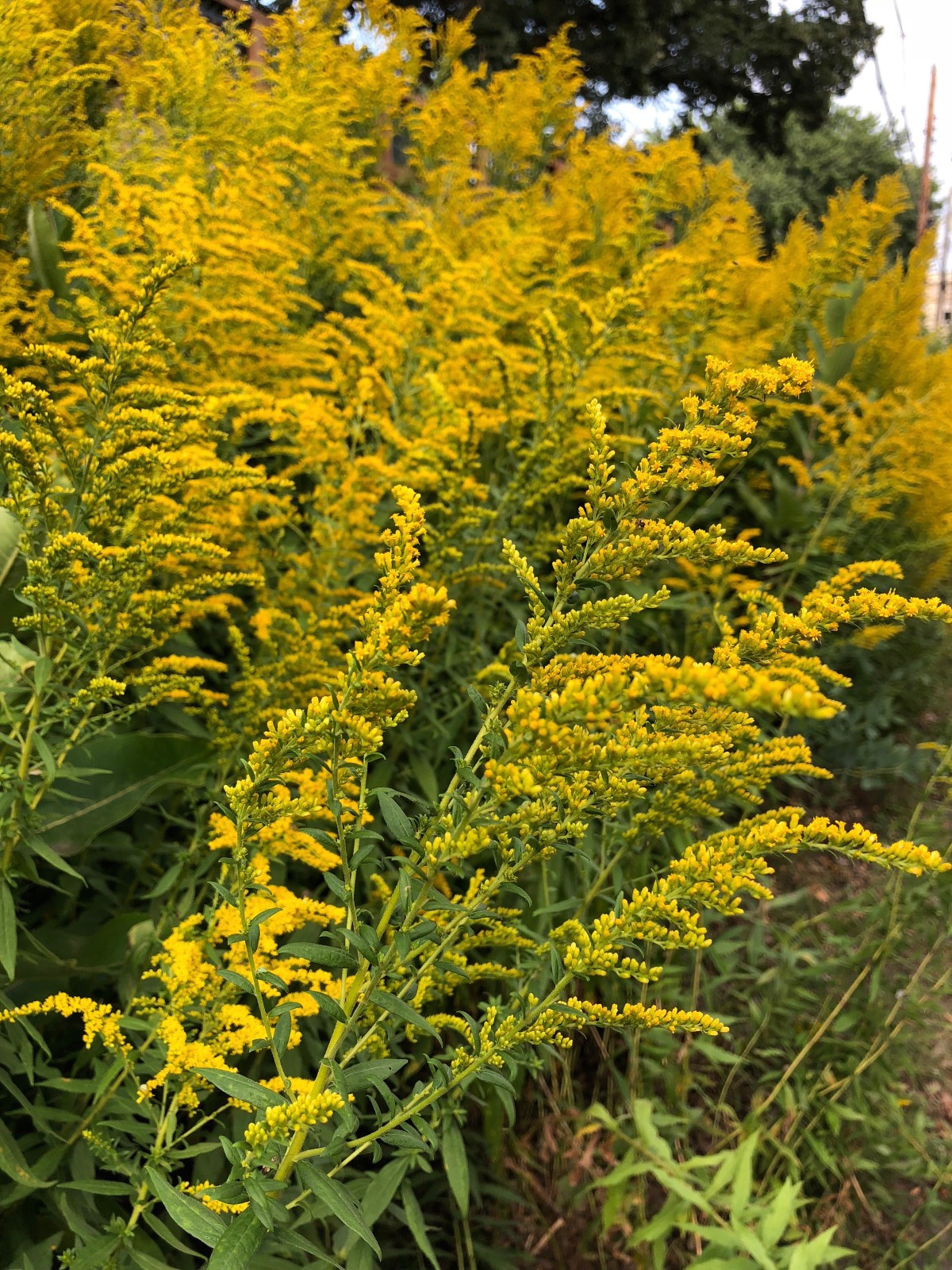
Goldenrod (Solidago spp.) Aerial Parts
Goldenrod is a perennial plant that boasts bright, showy yellow flower clusters and toothed leaves that alternate along a tall, slender stem. Being a late-season bloomer, goldenrod is typically in full flower from August to September, while warmer climates can find it blooming in October as well. Harvest goldenrod when the flowers are just about to open, or are newly opened, before the seeds develop. You can tell goldenrod has gone to seed when the flower color turns brownish or has turned to fluff. To harvest, simply cut the aerial parts of the plant, harvesting only what you need to let the rest of it go to seed.
Goldenrod is best used fresh, so it’s best to make herbal preparations with it right away.
Suggested ways to use fresh goldenrod:
How to Make a Goldenrod Tincture to Beat Seasonal Allergies
A Late Summer Cordial Recipe
Goldenrod Tea Recipe
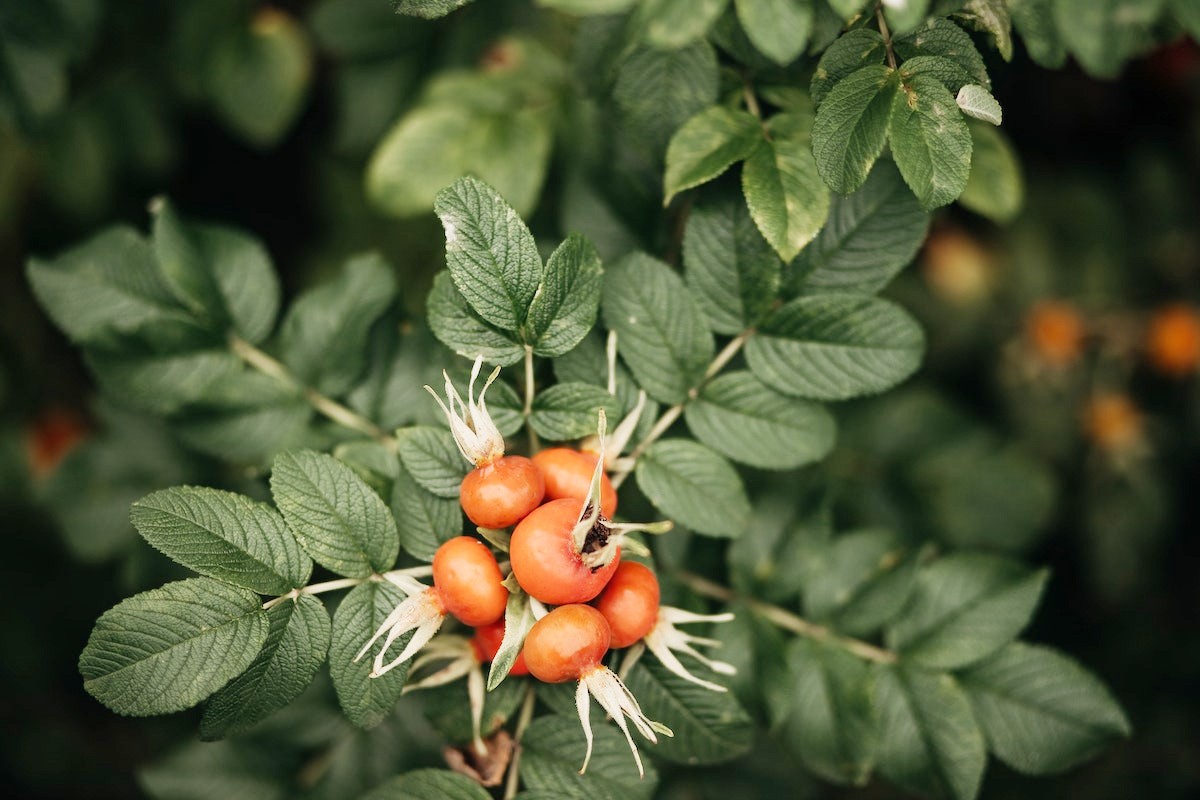
Rose (Rosa spp.) Hip
When we think of roses, we tend to picture the long-stemmed hybrid roses given to someone special in a gesture of romance. However, the roses you want to choose to use for health and wellness are either the roses in your garden (if unsprayed) or the wild roses growing in woodlands, prairies, and along stream banks. And the most nutritious part of the rose plants is the hips.
Rose hips are the fruit of the rose plant that form at the base of the flower once the petals fall off. They are full of vitamins and minerals and are the most nutritious part of the plant. Rose hips are ready to harvest in the fall when they start to change color from hard green buds to a vibrant deep red or orange color. Fun fact: a freeze will sweeten the tart flavor, so consider waiting until after the first frost to harvest!
Rose hip recipes to try:
Homemade Rose Hip Jam
How to Make Rosehip Syrup
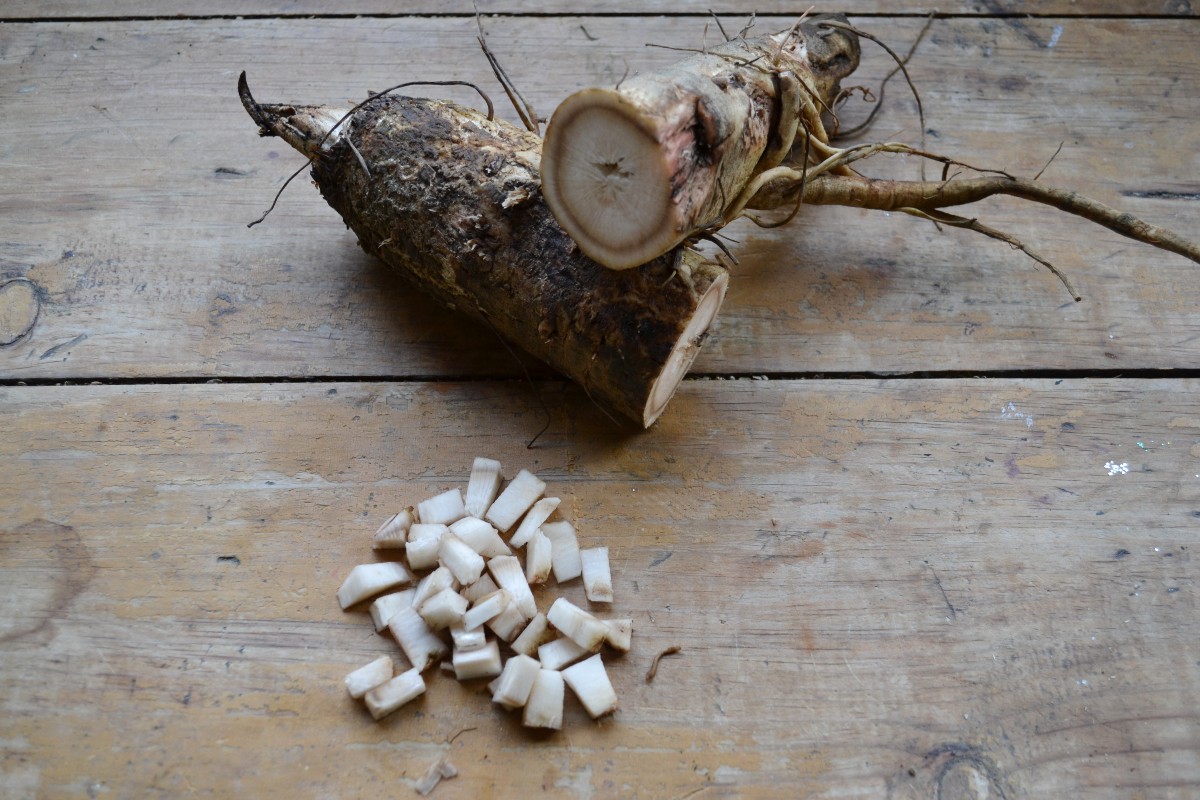
Burdock (Arctium lappa) Root
Burdock is a biennial, a plant with a life cycle of two years. During the first year of growth, a basal rosette forms that stays growing closer to the ground. During the second year of life, the plant grows a flower stalk that can reach several feet high. It then goes to seed to continue a new life cycle.
Burdock root is best harvested during the fall of the first year of growth after the first cold snap, or the second spring. If the root is harvested in the second year after the flower stalk has formed, the roots are too tough to use for food or wellness support. To harvest, dig the roots up, clean them off, and slice and lay them out to dry quickly after harvest—a deyhydrator or oven on a low temperature is helpful for drying dense roots. You can also make an herbal preparation right away with the fresh roots or peel, slice, and sauté them for a yummy dish.
Recipe suggestion using the fresh root:
How to Make Pickled Burdock Root
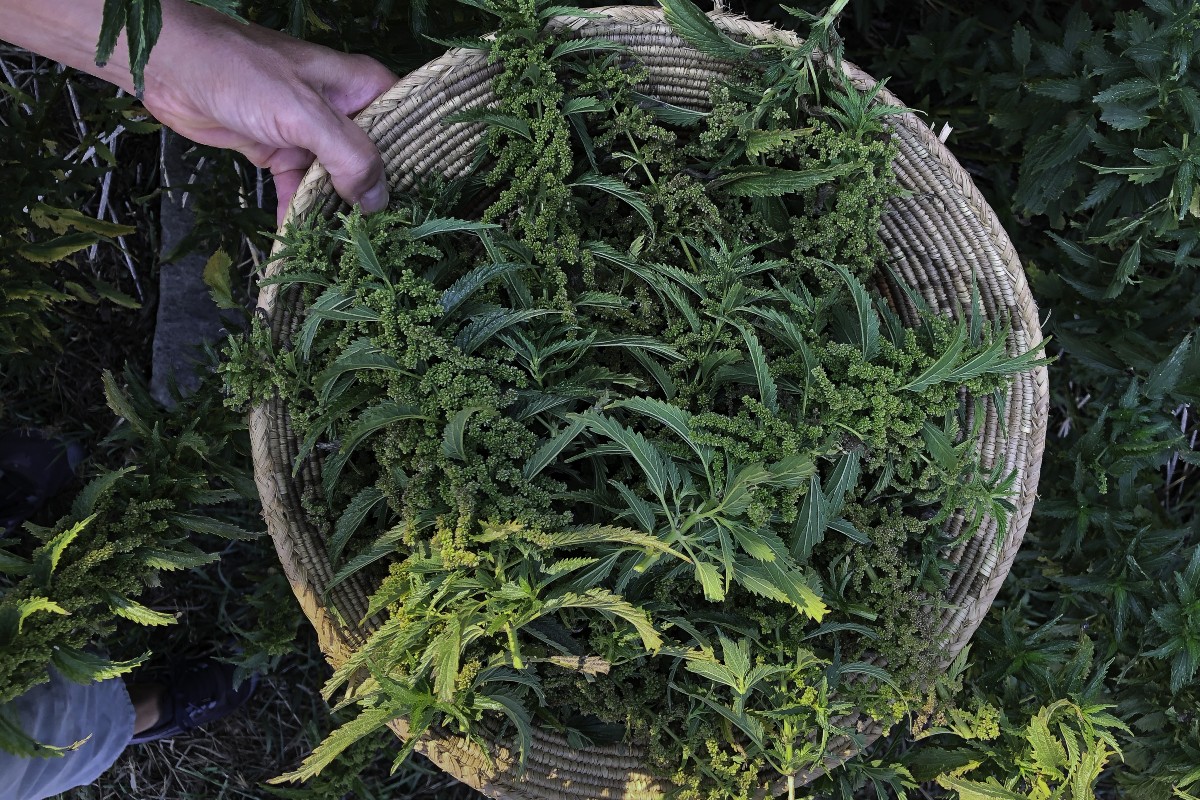
Nettle (Urtica dioica) Seed
Nettle, with its nutritious profile of vitamins, minerals, and protein, is the star of the show in many recipes. Most of us are familiar with harvesting nettle leaves in early spring, but many overlook the value of harvesting nettle seed in the fall.
Nettle seed is a highly nutritious part of the plant as well and can be used to make tea, tincture, or infusion. Harvest when the flower heads go from white to green and are plump and drooping. After harvesting, spread the seeds out to dry. To avoid stings from the fresh plant, wear gloves when you harvest.
Nettle seed recipe idea:
For an easy and creative way to add nettle seeds to your food, check out this Milk Thistle Gomasio recipe and substitute nettle seeds for nettle leaf.
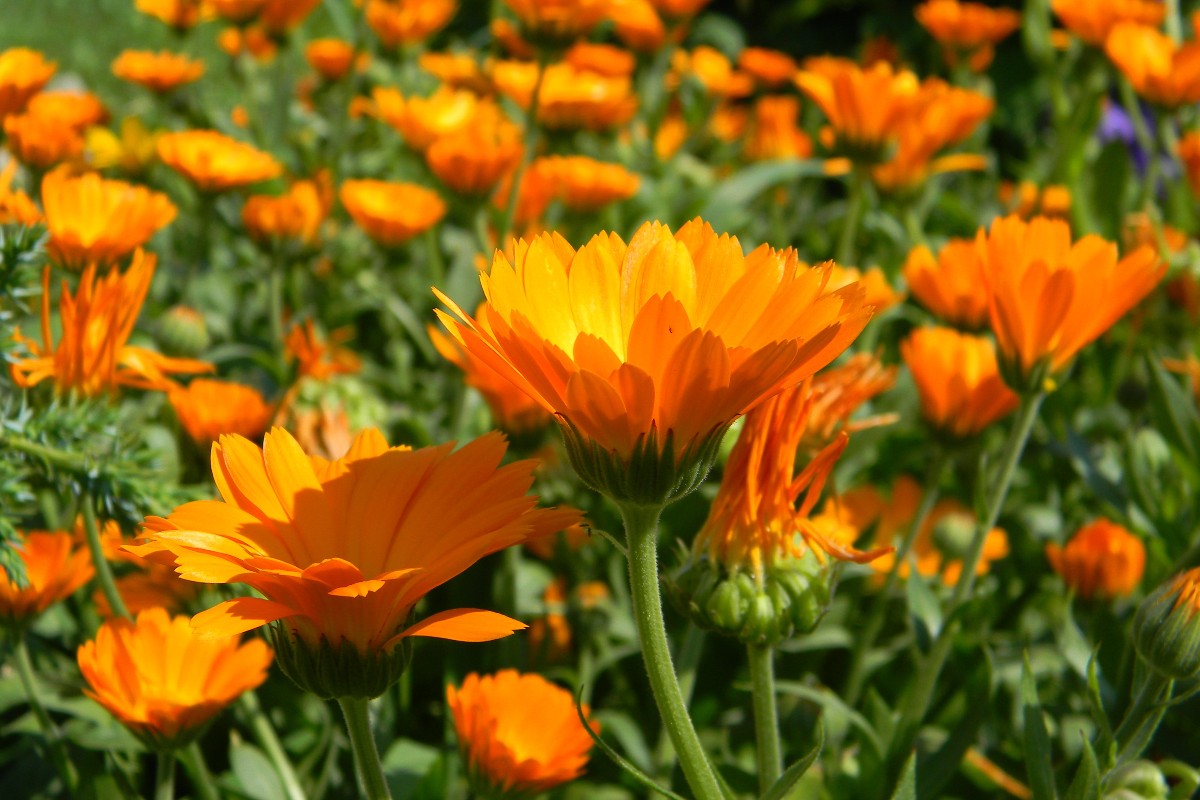
Calendula (Calendula officinalis) Flower
Calendula is truly the gift that keeps on giving! It’s a plant that we are thrilled to see make an appearance in May, but it blooms and can be harvested through fall until a prolonged freeze kills the plants. It has yellow or orange colored flowers and is popular to use for skin and mucous membrane support (including in the gut) due to its vulnerary action, making it useful in herbal recipes for both skin care and food.
Internal and external recipes using calendula:
Vitamin C Carrot and Calendula Popsicles
Mushroom Immunity Broth with Astragalus and Calendula
DIY Calendula Lotion
How to Make a Calendula Salve
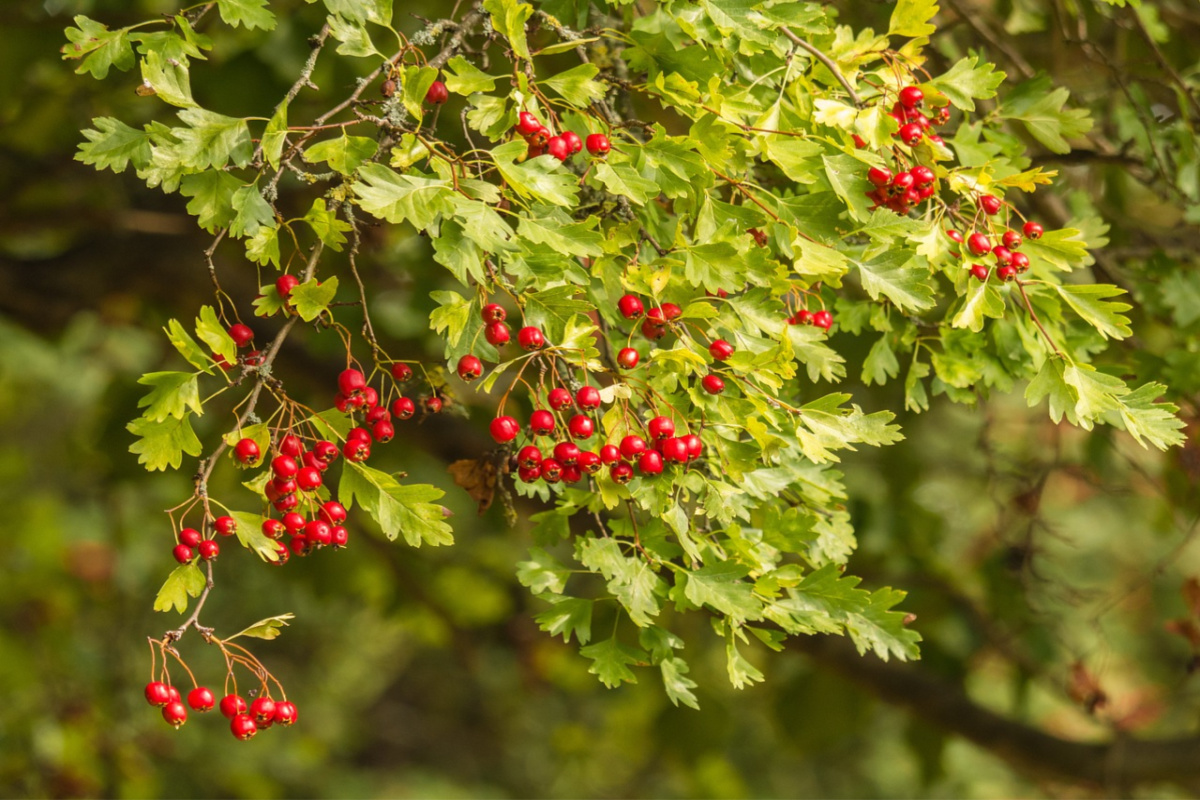
Hawthorn (Crataegus spp.) Berry
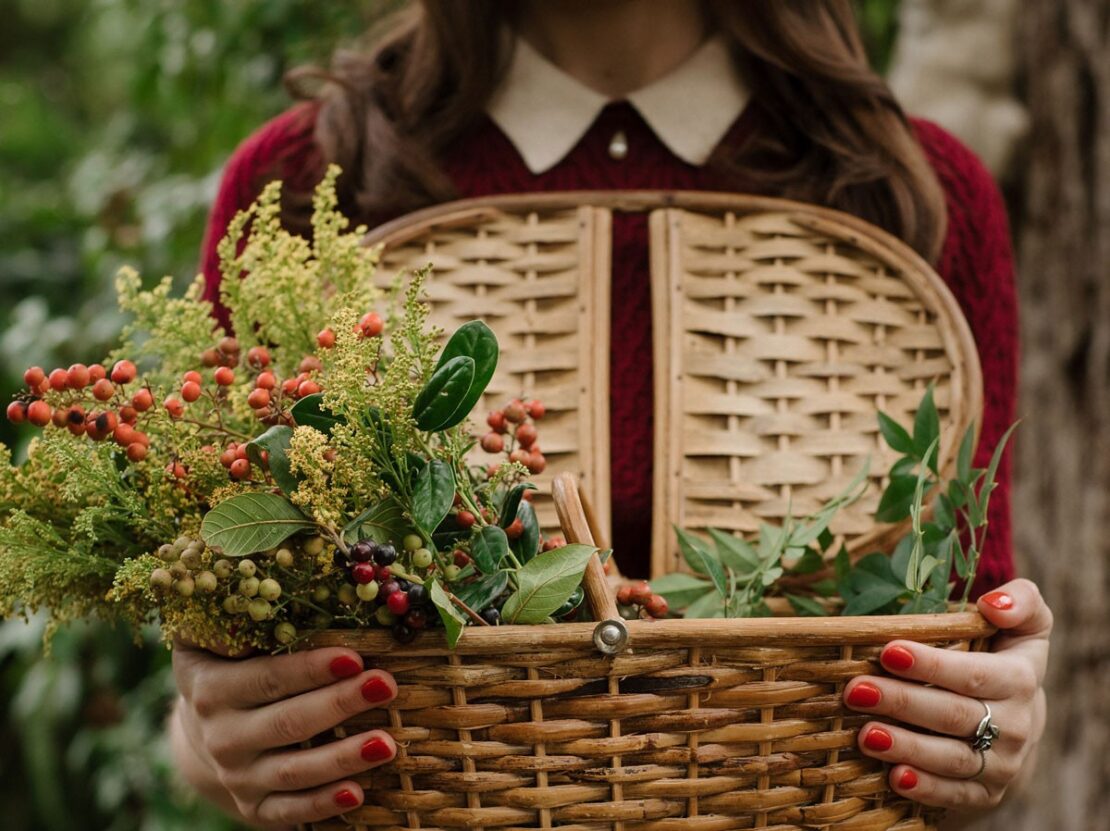
The hawthorn tree produces flowers and leaves that can be harvested in the spring. In the fall season, this same tree offers us the opportunity to fill a basket with red berries. The berries are ready to be harvested when they turn a deep red and are a bit soft to the touch. Harvest them mid-September through mid-October, being always mindful to avoid the thorns! Hawthorn berries are known for their amazing support for both the physical and emotional wellbeing of the heart.
Heart-healthy hawthorn recipes:
Overnight Hawthorn Infusion
Craft Your Own Delicious Hawthorn Berry Cordial
In Closing,
While these are some of our favorite herbal treasures to harvest in the fall, there may be other botanicals waiting to be foraged in your area. If you see something familiar on your next walk, observe and take notes! Spend time learning about what grows around you and how to positively identify and respectfully harvest plants waiting to be discovered. This is a wonderful time of year to build a relationship with the plants in your local area and see what you can find to work with through these cool autumn months.
About Post Author