
You’ve come to this article to better understand herbal certification (or the lack thereof!) and how it affects your journey toward becoming a professional herbalist. You see, here in the United States, there is not a federally recognized, licensed path for becoming a certified herbalist like there is for becoming a doctor, naturopath, or chiropractor and any school that claims you will be a “certified” or “master” herbalist upon graduation is stretching the truth. However, there are ways that you can gain a high-quality herbal education and become a trusted, registered herbalist with good standing.
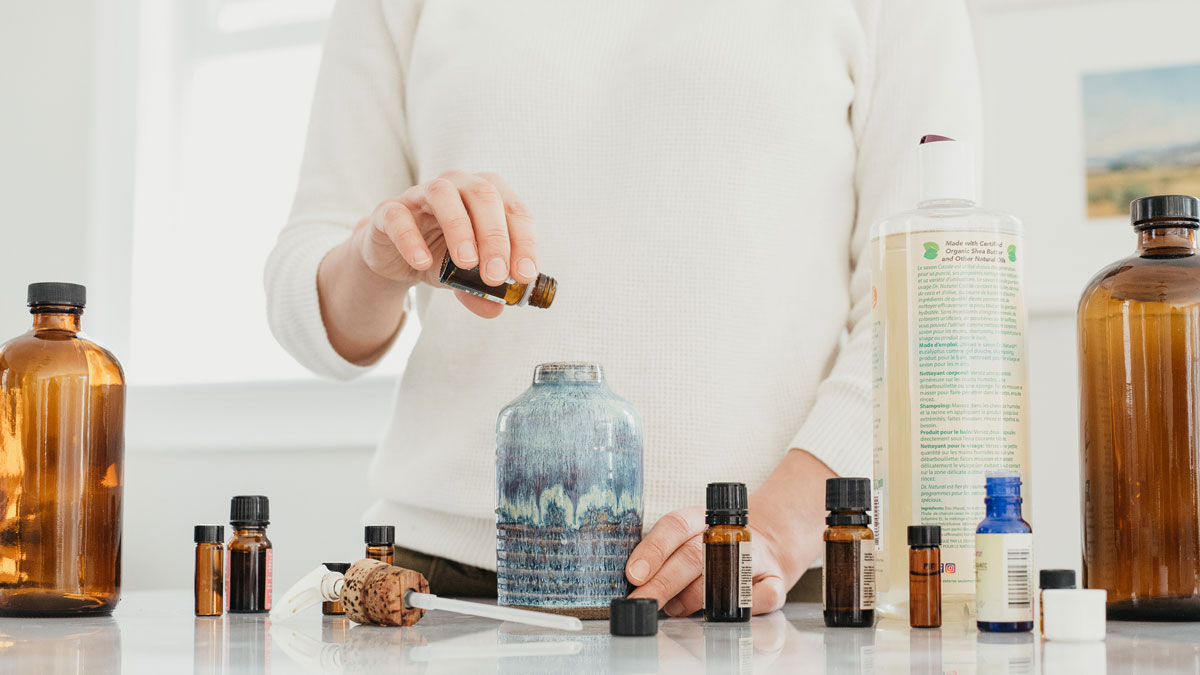
As we mentioned above, there’s no such thing as federally or state-recognized herbal certification in the United States, and any school that claims you will be “certified” upon graduation is stretching the truth.
At the Herbal Academy, we award certificates of completion for all of our foundational programs and more in-depth herbal courses, which can be used on your path toward becoming a registered herbalist, but we do not claim that they will make you a certified herbalist. (Keep reading to learn more about this subtle but critical difference between a certified herbalist and a registered herbalist.)
Just because you can’t technically become a “certified” or “master” herbalist doesn’t mean you can’t still practice and receive payment for your skills. This is where things get a bit nuanced.
It’s illegal for herbalists to treat, cure, or prescribe – only licensed medical practitioners like doctors and naturopaths can do that. However, thanks to free speech and the First Amendment of the United States Constitution, herbalists can educate clients on how to use healthful food, lifestyle practices, and herbs to support wellness and correct imbalance so the body can heal itself.
So how does this translate to real life? As a practicing herbalist, for example, you cannot legally diagnose a client with diabetes and then prescribe insulin or herbs. However, you can meet with a client who is already diagnosed with diabetes and educate them about various herbs that may help balance their blood sugar in conjunction with their doctor-recommended treatment plan. Do you see the difference?
If you choose to study herbalism with the intention of becoming a professional herbalist, then this topic will be covered in much greater depth throughout your studies, so don’t worry if you don’t understand all the nuanced details right now. The main takeaway here is that a title like Certified Herbalist or Master Herbalist doesn’t make you any more or less qualified to practice herbalism—and it doesn’t give you any legal protection, either. Don’t pay extra to attend a program that promises “herbal certification” because it doesn’t technically exist.
This is where your journey splits into three different roads, and you’ll need to decide your ultimate destination before selecting which road to walk down.
If you want to own (or work in) an herbal clinic, then you may want to consider taking the steps to become a peer-reviewed Registered Herbalist with the American Herbalist Guild. This registration is not required to practice and it is not a legal designation, but it is a wonderful way to establish a recognized level of expertise by your peers and affirm your commitment to the ethical practice of herbalism.
After becoming a registered herbalist, you can use the acronym “RH (AHG)” after your name, which stands for “Registered Herbalist (American Herbalists Guild),” and you will be included in the organization’s trusted Registered Herbalists Database.
To apply, you will need to complete each of these steps:

If your herbal dreams involve making and selling herbal products, opening an herb store, growing herbs for the market, tending to your personal health and family’s wellbeing, or any other type of herbal living that does not involve working directly with clients in a clinical setting, then you might not even want to become a registered herbalist.
The vast majority of herbal business owners have pieced together their herbal education through online courses, local apprenticeships, and hands-on experience. Like their grandmothers and grandfathers before them who lovingly pressed homemade elixirs into the hands of friends and family members, they’re not “certified” or “registered.” They have, however, taken the time to learn their craft, hone their skills, and pursue the various types of herbalist training needed to share their wisdom safely and effectively.
If this road speaks to you, then you may be interested in our Foundational Herbalism Courses to understand herbalism basics, safety, time-tested recipes, and more, or our Business Herbal Course or more in-depth Entrepreneur Herbalist Path Package, which both include trusted guidance about the rules, regulations, and specific details of starting your own herbal business.
Learn more about our Business Herbal Course
If herbal accreditation is important to you, and you want the freedom to diagnose, treat, and prescribe treatment options to patients, then you will want to explore the path of becoming a licensed medical practitioner.
Attending medical school is a large investment in both time and money; however, you may be qualified for financial assistance, scholarships, or even the GI bill benefits and 529 college funds!
Keep in mind that just because you study herbalism at an accredited university does not mean you’ll receive an herbal certification, either. However, you can pair your herbal education with training for a licensed profession, like naturopathic medicine or chiropractic, to bring an herbal lens to your practice.
A few accredited universities that offer supplementary paths in herbal education are:
Whichever road you decide to take, we encourage you to fact-check all your herbal resources to be sure you receive the quality education you deserve. Don’t hesitate to contact herbal organizations with questions. Review the American Herbalists Guild’s Guidelines for Getting an Herbal Education. Read online testimonials of herbal courses and schools. Talk with the teachers behind online programs you are looking into. Listen to your instincts and follow your heart if a herbalism school or program makes you feel excited, inspired, and seen.
As you continue to nurture your herbal education, you can always explore new paths as they open to you. We offer a variety of short online herbalism courses, which serve as inspiring, concise introductions to a wide variety of herbal niches that you may like to explore, like botany, foraging, product development, and more! Like all things, your herbal interests may grow, expand, and change with time, which means all the more avenues to explore and enjoy!
Still have questions? You can get in contact with our team any time with questions or for more information about the Herbal Academy, and we’re always happy to help students explore the exciting possibilities ahead.
More Resources for Becoming an Herbalist: