
9 Ways to Practice Autumn Self-Care
Summer has come to an end, and it’s now time to embrace the autumn flow and cozy up with some seasonal self-care! Nurture your mind while fortifying your overall health and immunity for the season ahead with us by creating some DIY herbal preparations to nourish yourself inside and out, and by leaving some blank spaces on the calendar for learning languidly and living slowly.
9 Ways to Practice Fall Self-Care


Reflect on Your Growth and Lessons Learned
Earlier this year, we encouraged you to do a spring life reset with renewed health goals. One of the tips we recommended was to journal your goals and set fresh, new intentions for your life and wellbeing, and we hope you did just that! Now the turning of autumn brings the time to reflect on your growth and the lessons you learned.
- Did you plant a garden or tend to plants in containers? Write down the plants that did well (or maybe not so well) and how you may need to adjust the layout of your garden or add companion plants for pest control. What about drying plants, harvesting seeds, and making herbal preparations from your harvest? At the end of the growing season, it’s important to reflect and write down what you learned through observing your plants while they grew.
- Reflect on your fitness goals and what you have achieved. If you did not reach the goals you expected, write down how you can incorporate fitness in the fall and winter months. Consider setting a timer or reminder to take those 10-minute walk breaks and get some time in the morning sun when you wake up. Being intentional is key, and is success in and of itself.
- What goals as an herbalist did you achieve this year? Write down the areas of knowledge you expanded and grew. It’s easy to overlook how far we’ve come in our learning, and it’s encouraging to write down our achievements. Whether you’ve dug into the monographs or intensives in The Herbarium, taken herbal courses, read through the amazing free information on our blog, or gotten hands-on working with herbs through foraging and growing, in the kitchen, or stocking your apothecary, be sure to acknowledge your accomplishments.
Moisturize Your Skin and Hair with Botanical Oils
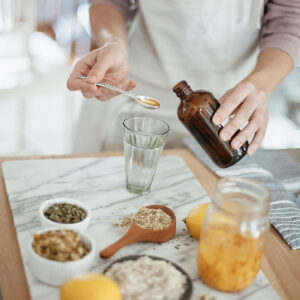
As the air gets cooler and lower in humidity this time of year, and we are inside with indoor heating or outside experiencing the whip of winter winds, our hair and skin can become drier and in need of moisturizing. Botanical oils are one effective way to promote moisture and a healthy balance for dry skin and hair. When you combine herbs with oils like jojoba, argan, sweet almond, avocado, or olive, the positive effects are noticeable. Try this DIY Herbal Hair Serum for Silky Soft Hair and this Calendula Rosehip Oil for nourishing the face.
Replace Summer Salads with Nourishing Broths and Root Vegetables
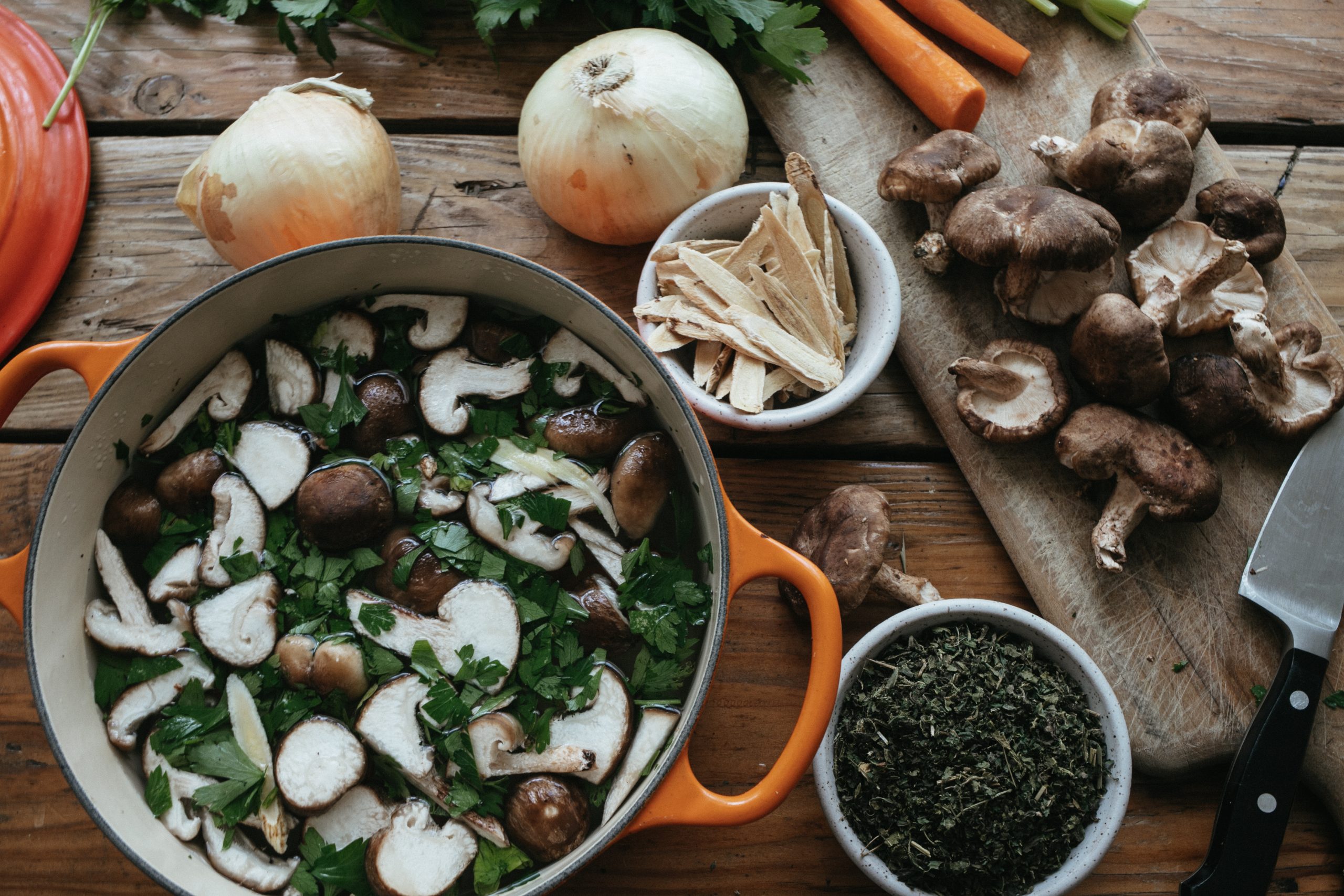
Refreshing summer salads had their starring role this summer, and many of us were able to enjoy pulling together salads from our own garden produce or local farm stand. As we head into the fall and winter seasons, it’s time to replace those summer salads with nourishing and warming broths and root vegetables. And boy, do we have some great suggestions for you!
Simple Ginger Decoction
Astragalus Chai With Bone Broth
Mushroom Immunity Broth with Astragalus and Calendula
Consume More Healthy Oils
Consuming healthy oils any time of the year is important for a healthy heart and immune system, but focusing on consuming more healthy oils in the colder months will help strengthen the immune system during cold and flu season and keep the skin hydrated from the inside out. So which oils are healthy and should be consumed in greater quantity? Olive oil, avocado oil, ghee, and coconut oil are a great place to start. Enjoy olive oil in recipes like High-Protein Pea & Mint Crostini Recipe. Make granola recipes with coconut oil like this Puffed Amaranth & Cacao Granola Recipe. When frying your foods, avocado oil is a good option.
Revise and Restock Your Pantry with Heavier Grains
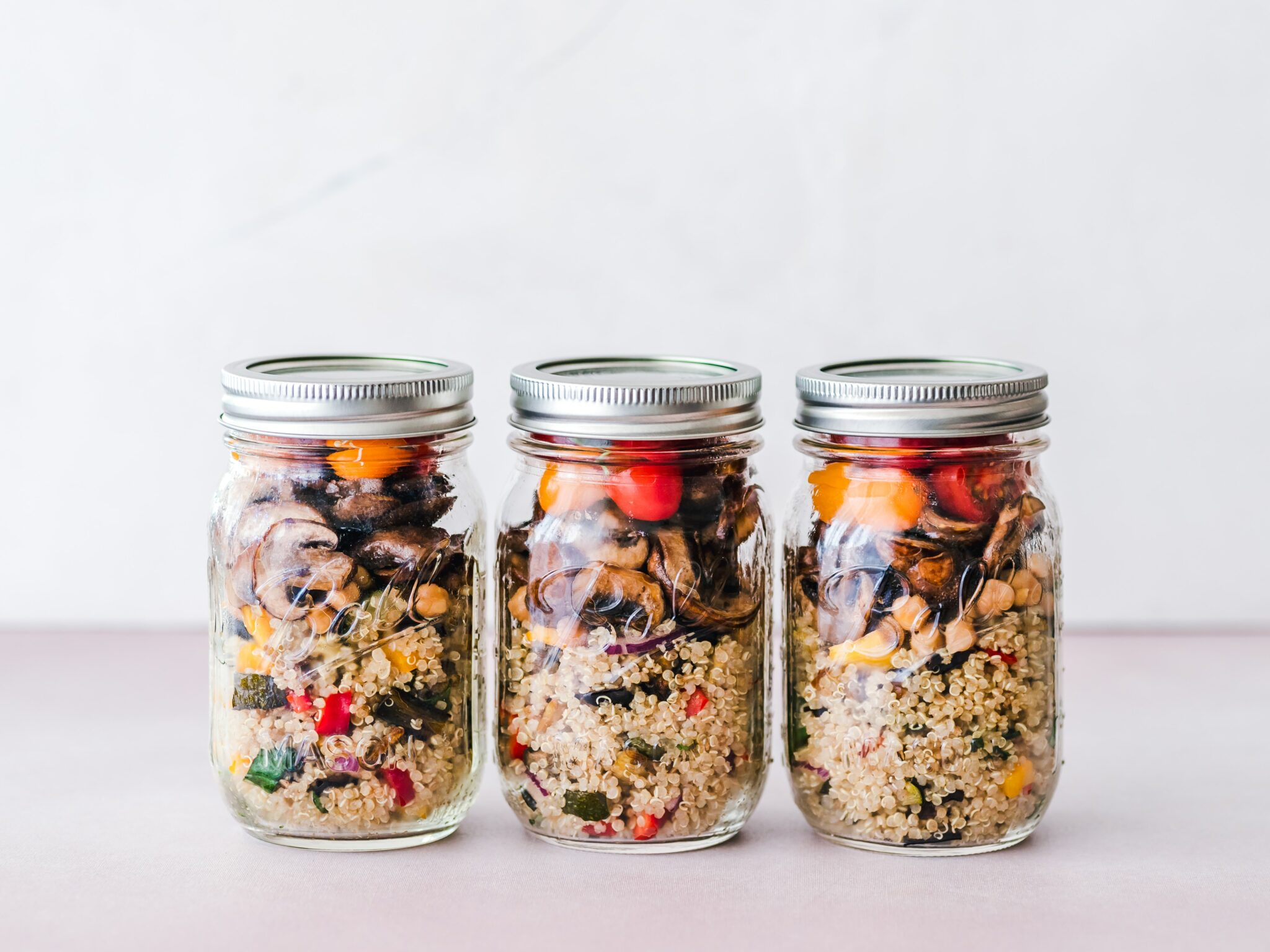
Cold winter months demand more energy from our body to maintain the body’s temperature. Nutrient-dense whole grains are one way to support us, as they are more filling and will help keep our body warmer. They “stick to your ribs,” if you will. Some heavier grains to consider are quinoa, buckwheat, amaranth, and barley.
Hearty recipes to try this winter:
Buckwheat Pasta with Spinach Pesto
Winter Morning Buckwheat and Bran Muffins
Hearty Lentil and Quinoa Stew
Stock up on Syrups, Elixirs, and Fire Cider
Fall is the time to stock up on herbal preparations like syrups, elixirs, and fire cider. Choosing herbs that help the body resist pathogens like viruses, bacteria, and fungi is one of the most effective ways of getting through the cold weather months with ease.
Immune-building recipes to consider making now for autumn self-care:
A Must Try Fire Cider Recipe Using Unexpected Herbs
Elderberry Calendula Cold and Flu Elixir
Herbal Fever Ease Syrup
Swap Fruit-Infused Waters for Herbal Teas and Decoctions
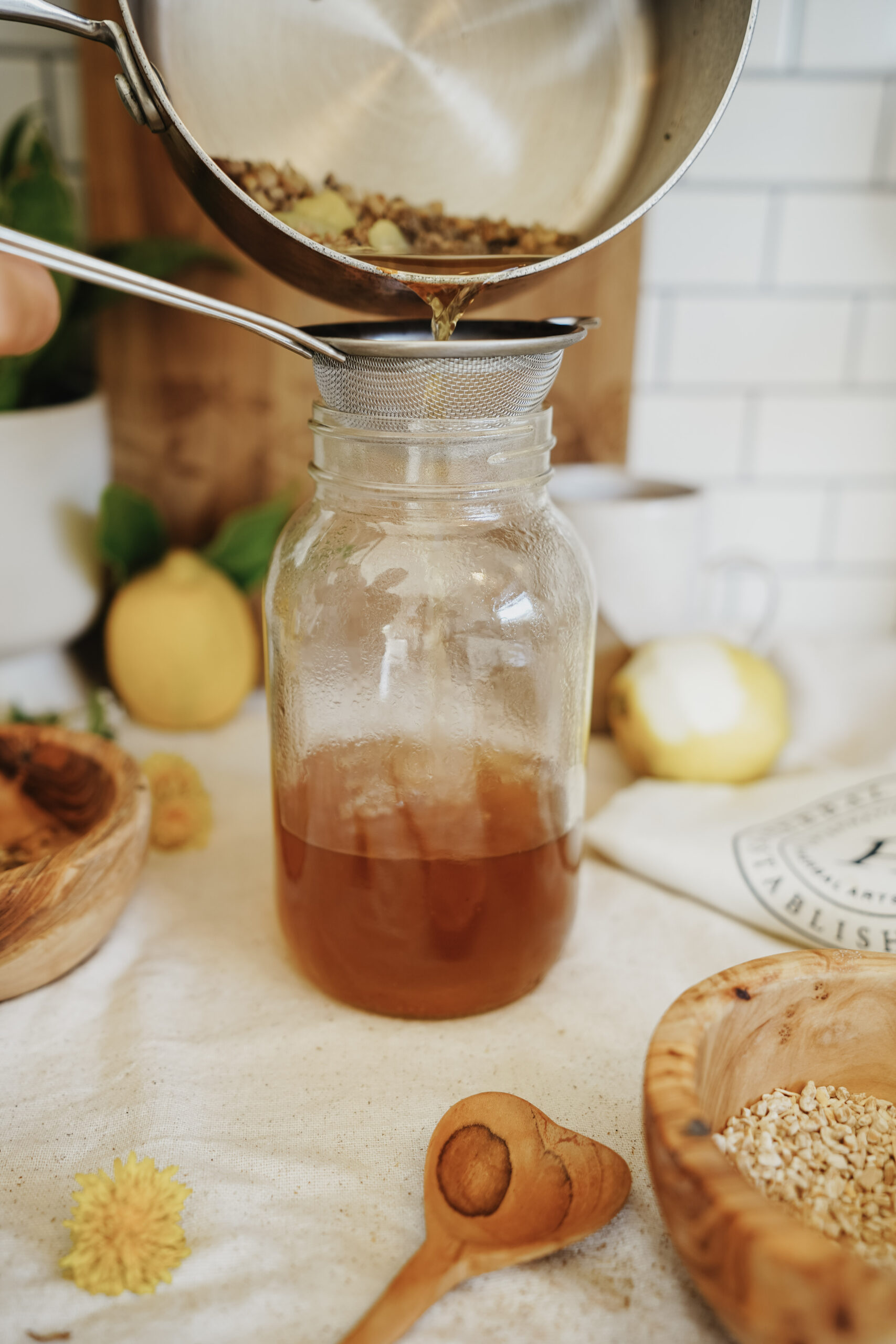
Fruit-infused water is the perfect refreshment for summer, but now that fall is here, it’s time to swap those for warming herbal teas and decoctions. A tea is a gentle infusion of softer plant parts like leaves and flower petals, while a decoction is gently boiling tougher plant parts like seeds, bark, and roots. This Autumn Root Tea Tonic can be made by a decoction or a long-steeped infusion to give your body seasonal nourishment from your harvested roots.
Also consider making these delicious warming autumn drinks:
French Apple Cinnamon Tea
Herbal Hot Cocoa
Leave Blank Spaces on the Calendar
As we notice the days of fall growing colder and daylight growing shorter, nature is inviting us to slow down and discover ways to embrace a slower pace of life. One way you can do that is by leaving blank spaces on the calendar. Sometimes we keep our schedules so busy that we have to intentionally leave days on the calendar blank and create space for rest. We have 5 Herbs That Promote Rest for you to try that will help rejuvenate your energy for the future, restore your nervous system, and renew your mind.
Add Warming Spices to Your Recipes
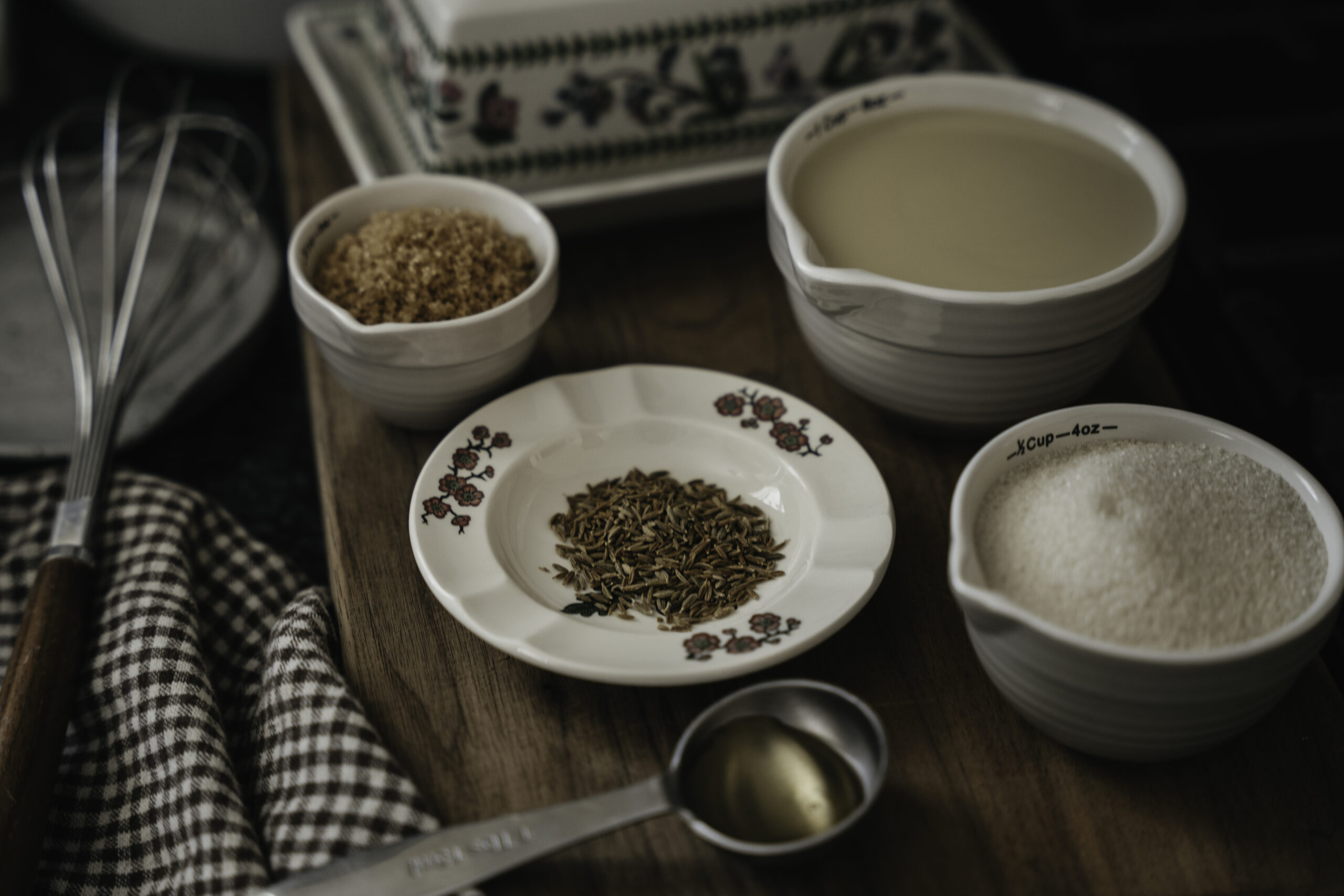
Adjusting your food and spices to those that are warming is one way to attune yourself to autumn’s rhythms. Spices like cinnamon, turmeric, and ginger are just a few that you can enjoy and learn to incorporate into your recipes and drinks. This Apple Compote Recipe that includes a warming digestive blend, or these three Spiced Caramel Recipes are a few sweet treats with warming spices to try. We also have 5 Autumn Spices for the Herbalist’s Kitchen for you to learn about to help expand your knowledge and enjoyment of seasonal spices.
In Closing,
One of the best ways to practice self-care is by building your foundation in herbalism. The more we learn about the body systems and how we can support our wellbeing with plant allies during different seasonal shifts, the more we realize that the learning never stops! This time of year is a great time to further your education with more of our courses, such as Botanical Skin Care Course, The Mushroom Course, or Making Herbal Preparations 101 Mini Course, to learn how to preserve the herbs that you grew or foraged this year.
About Post Author