Brighten Your Morning With This Orange Blossom Latte Recipe
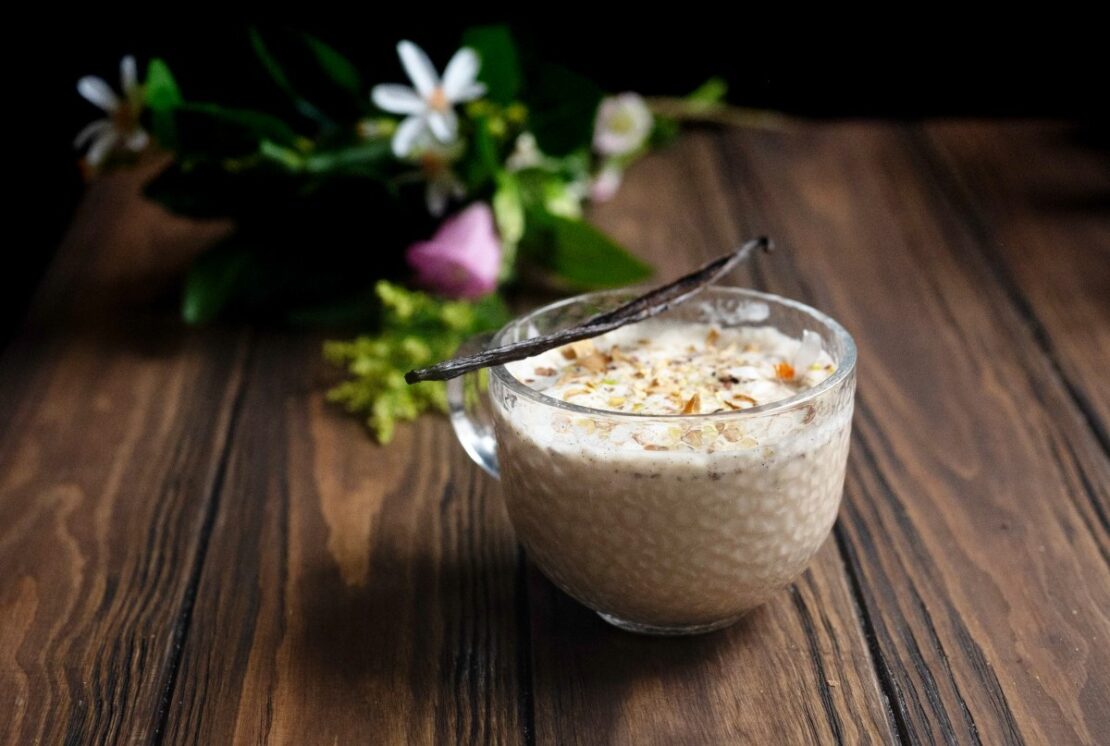
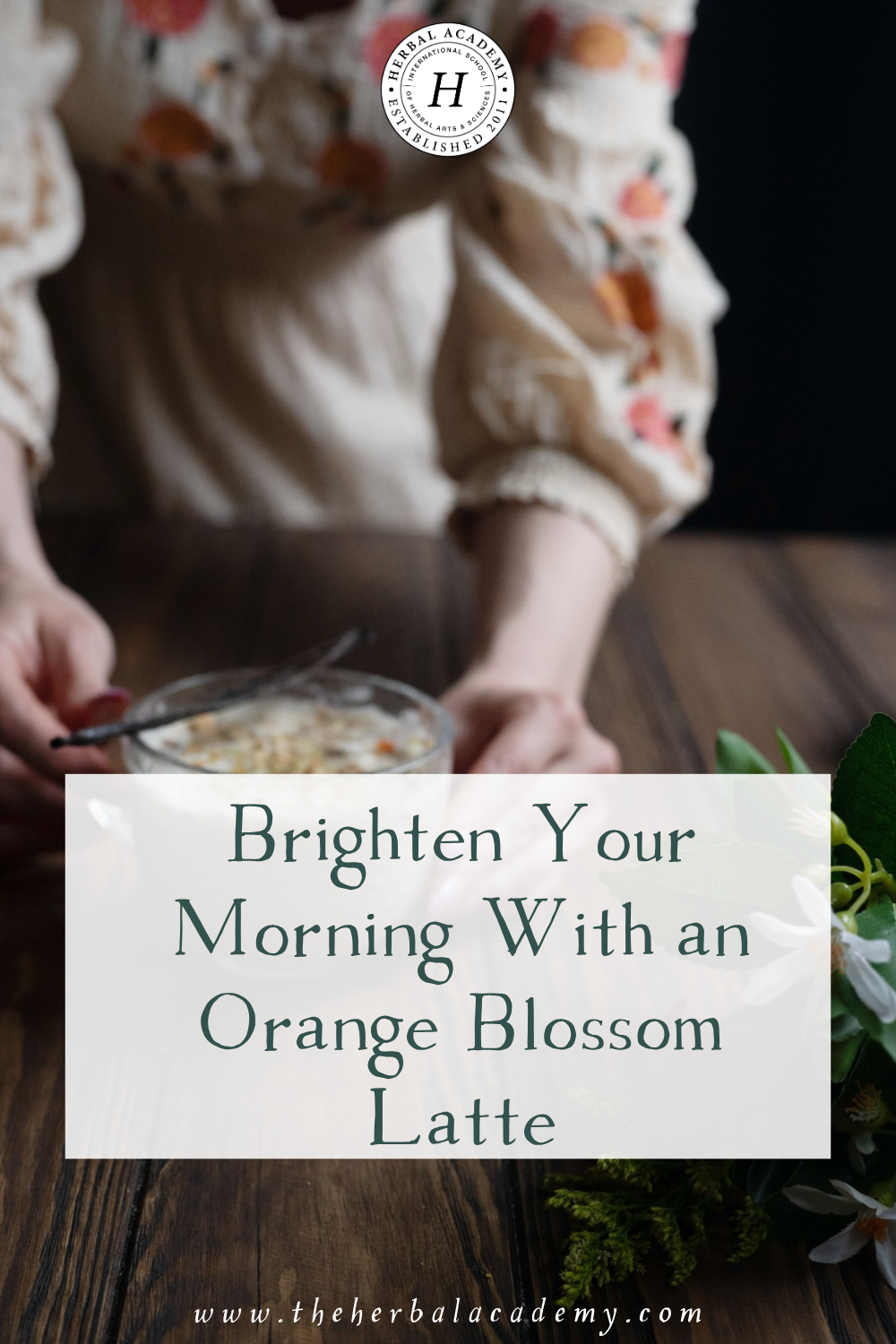
As if espresso and warm, frothy milk weren’t divine enough, we have a flowery, spicy new spin on your morning latte. This Orange Blossom Latte features the delicate aroma of orange blossoms alongside comforting spices that evoke flavors of chai. Rose and lavender lattes are indeed heavenly, but have you ever tried an orange blossom latte? With the herb-infused recipe that follows, here is your perfect opportunity. Let’s first take a closer look at how the botanical ingredients make this latte one of a kind.

Latte Botanical Ingredients
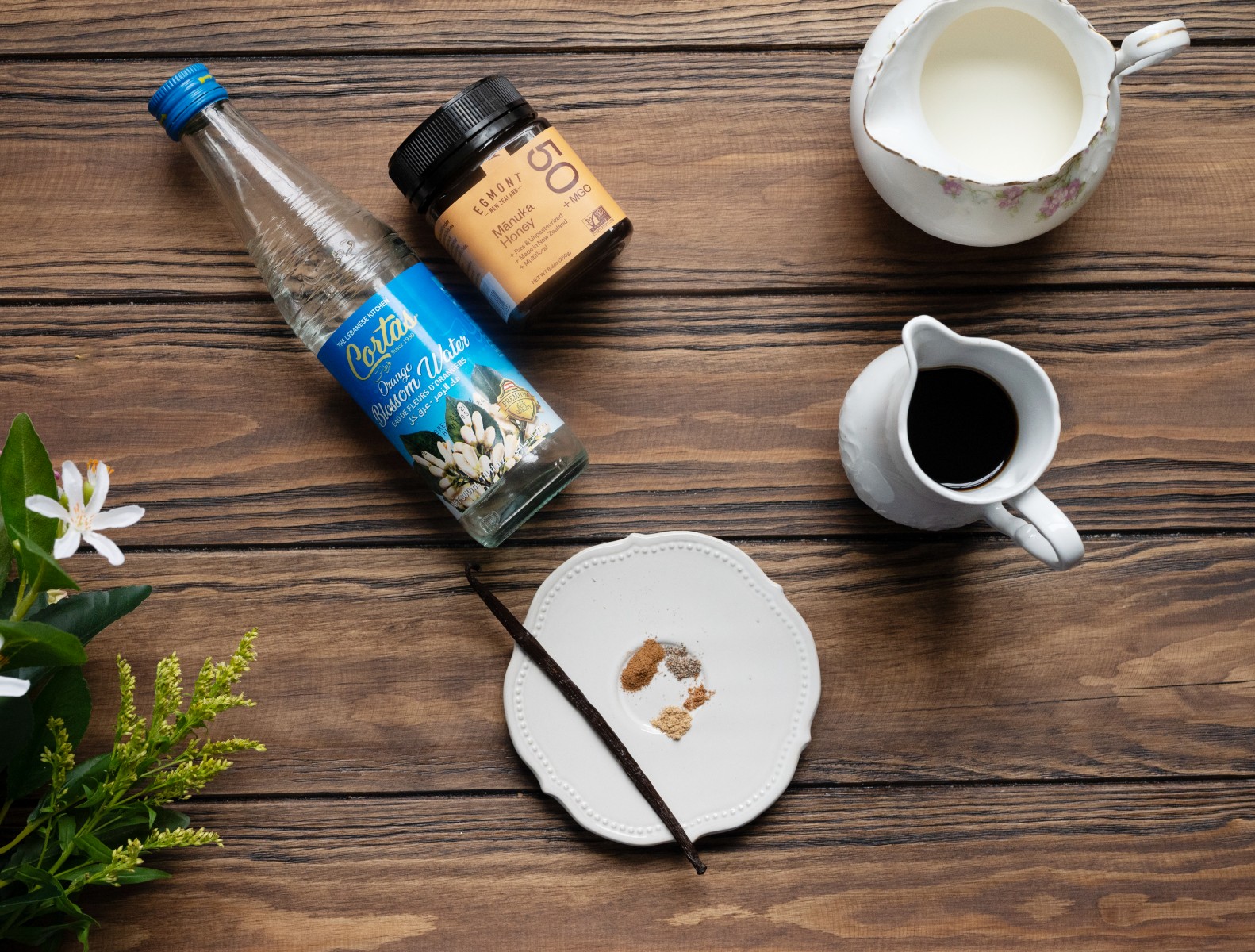
Orange Blossom Water
Aside from its pleasing aroma and taste, orange (Citrus x sinensis or Citrus aurantium) blossom water may also have a soothing effect on the nervous system. One study of mothers with hospitalized babies revealed that bitter orange (Citrus aurantium) blossom syrup had a positive effect on sleep disorders—and on insomnia and anxiety in particular, common issues for parents in such a stressful situation (Dehghan et al, 2024). This may be due to compounds such as linalool, linalyl acetate, limonene, coumarin, and flavonoids found in orange blossoms. In traditional Iranian medicine, orange blossoms are used to soothe a range of nervous disorders (Dehghan et al, 2024). Also, orange blossom water imparts a delicate, slightly bitter, but notably floral flavor, adding to the delicious complexity of this latte concoction.
Nutmeg (Myristica fragrans) seed
A key ingredient in eggnog, nutmeg (Myristica fragrans) seed is a powerful agent of flavor (a little goes a long way) and has long been used for promoting sleep and a state of calm. More than a common baking spice, just a pinch will do when it comes to working with nutmeg. Nutmeg is indicated for gas, abdominal pain, and bloating; its astringent qualities make it particularly useful for diarrhea (Dass, 2013). Furthermore, a pinch or two of fresh grated nutmeg in warm milk or golden milk is a wonderful, soothing support for insomnia, as nutmeg has sedative properties. However, since we are taking nutmeg alongside espresso in this recipe, the two should balance each other out as complementary ingredients in this Orange Blossom Latte.
Ginger (Zingiber officinale) Rhizome
There are so many benefits that ginger offers; it seems there are few things this golden rhizome cannot do. An age-old ally for nausea and upset stomach, ginger quells indigestion and boosts digestive power, calming gas and weak digestion. Ginger is also a wellknown anti-inflammatory and is a go-to herb for colds and flu as it has antiviral properties, promotes sweating, and thins mucus. This versatile herb is delicious in a range of dishes from spicy to sweet. Add fresh grated ginger to stirfries or simply pour boiling water over the fresh grated rhizome for a simple cold season preparation. The dried root is even more heating than the fresh rhizome and especially useful for soothing muscle and menstrual cramps and pain associated with tension and inflammation (Groves, 2016).
Cardamom (Elettaria cardamomum) Pod and Seedvani
A key ingredient in masala chai, cardamom possesses a memorable, bright aromatic taste and is also commonly used to flavor Indian sweets. In fact, cardamom is a carminative and helps with the digestion of heavy foods and dairy. Rosewater cardamom ice cream–need we say more?! In Ayurvedic tradition, cardamom is said to help clear the mind and the pranic pathways, and with its dual function as a digestive, this flavorful little seed supports digestion and gently awakens the clear cognition and senses. It is also considered a sattvic herb, meaning that it helps to impart a sense of clarity.
Vanilla (Vanilla planifolia) Pod
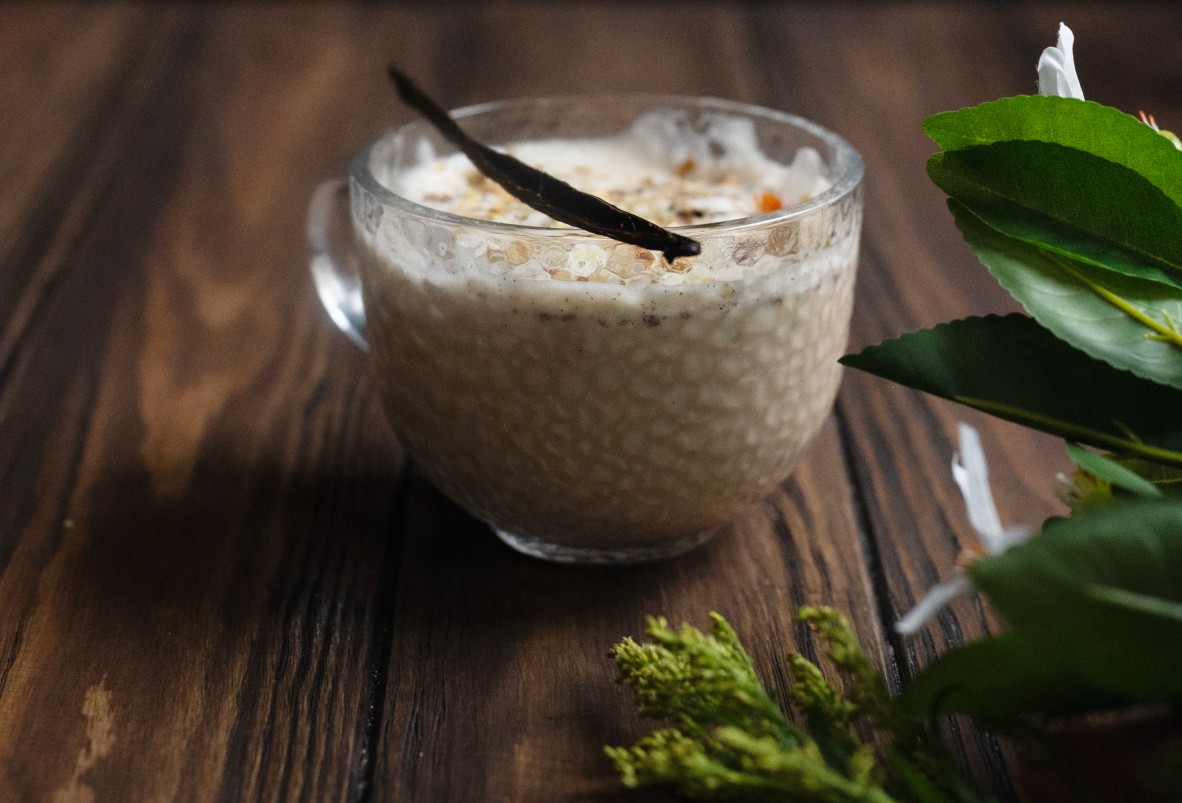
A popular flavoring for desserts and also used in skincare products and perfumes, vanilla may be well known, but it is not cheap. Vanilla is one of the most expensive spices due to the fact that it takes considerable time and resources to grow, harvest, and prepare. The market-ready vanilla beans that you can purchase in stores require a multi-step process to produce the flavor and aroma-rich qualities that we enjoy so much. However, vanilla is worth the wait, and a little goes a long way. Also, if you have pure vanilla extract, it has a long shelf life. In this recipe, vanilla adds a touch of sweetness and comfort to round out the otherwise floral and spicy flavors.
Coffee (Coffea spp.) Bean
Coffee (and caffeine in general) can certainly be overdone, but taken in moderation, coffee is packed with benefits. Aside from boosting mood and energy and assisting with focus, research from the American College of Gastroenterology revealed that drinking two cups of coffee per day has a beneficial effect on the gut microbiome (Jiao, 2019). Those who drank two cups of coffee per day had a greater balance of gut microbes with anti-inflammatory properties and were also less likely to have an abundance of bacteria linked to metabolic disorders (Jiao, 2019).
Now that your taste buds are enticed, and your knowledge banks filled with the benefits of all these delicious botanical allies, it’s time to delve into your very own herbal espresso bar and whip up a uniquely delicate and spicy coffee beverage.
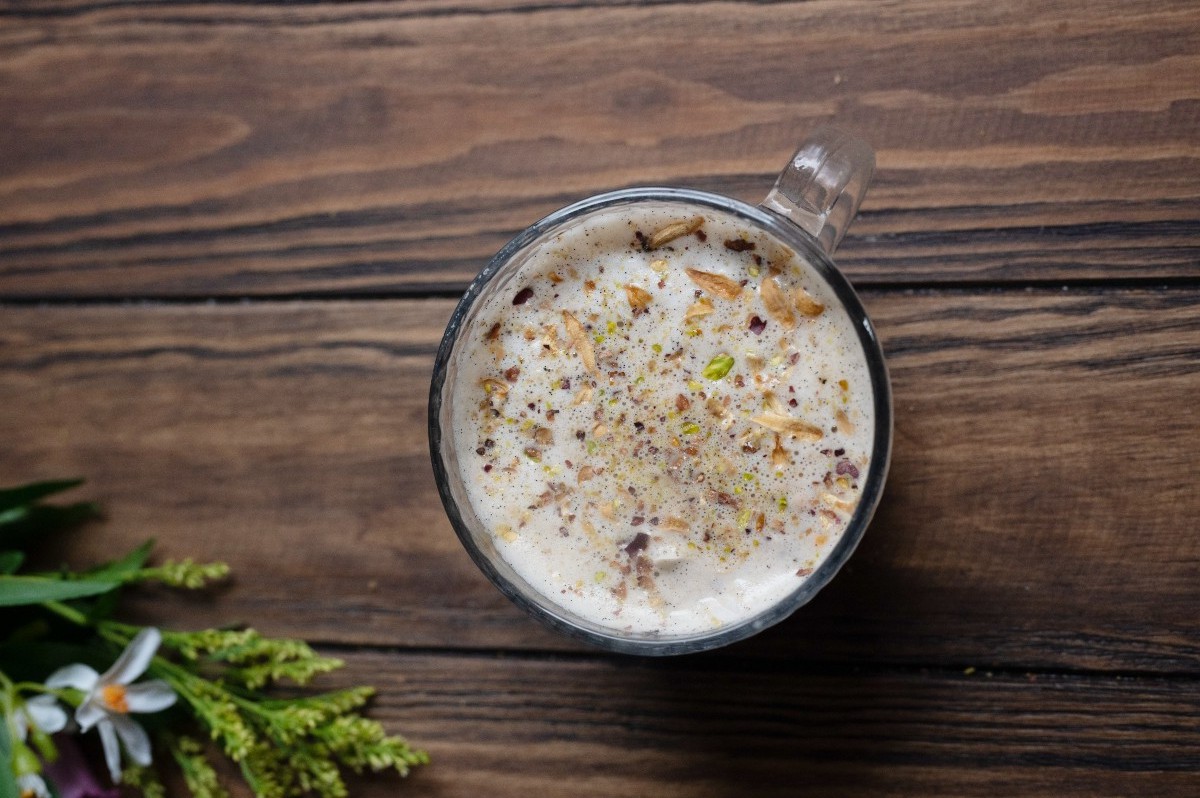
Orange Blossom Latte
Orange blossom water can be purchased at grocery stores, often in the baking aisle. You can make your own, with hydrosols typically extracted in a specialized still; however, here is an option for an alternative setup for your stovetop.
Latte
1 shot espresso (or ½ cup strong brewed coffee) Optional Pistachio Topping Garnish ¼ cup shelled pistachios
1 cup milk (dairy or nondairy)
½ tsp orange (Citrus x sinensis) blossom water
¼ tsp nutmeg (Myristica fragrans) seed, ground
¼ tsp ginger (Zingiber officinale) rhizome, ground
½ tsp cardamom (Elettaria cardamomum) pod and seed, ground
1 small piece vanilla (Vanilla planifolia) pod (or a splash of vanilla extract)
½ tsp honey (optional, to taste)
1-2 teaspoons sugar
1-2 teaspoons dried edible orange blossoms (or crushed edible dried flowers)
Tiny pinch of orange zest
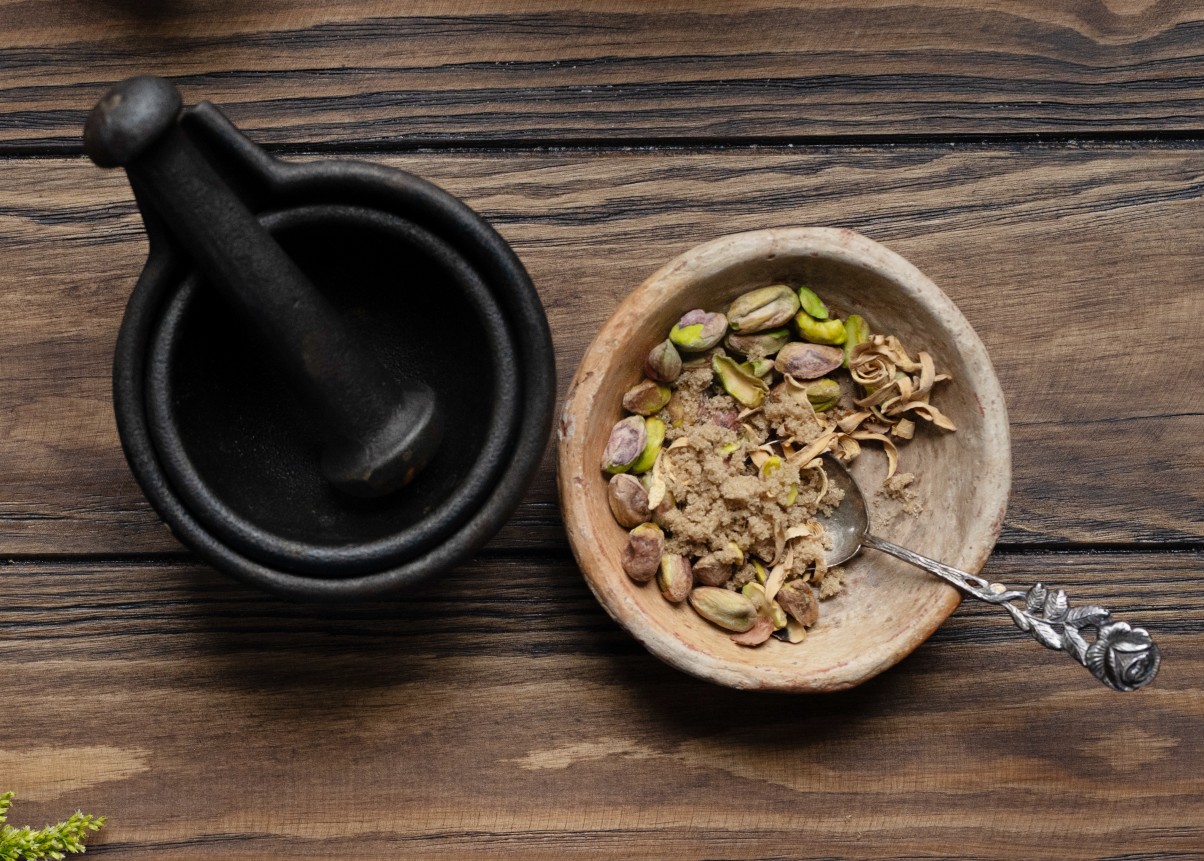
In a mortar and pestle or food processor, crush the pistachios with the sugar and dried orange blossoms. Aim for a mix of fine crumbs and small chunks, not a powder. Set aside.
Add the orange blossom water, nutmeg, ginger, cardamom, and vanilla to the milk. Warm it until hot but not boiling, then froth using a frother or whisk until light and foamy.
In a mug, combine the espresso (or strong coffee) with honey if using. Stir until fully mixed.
In Closing,
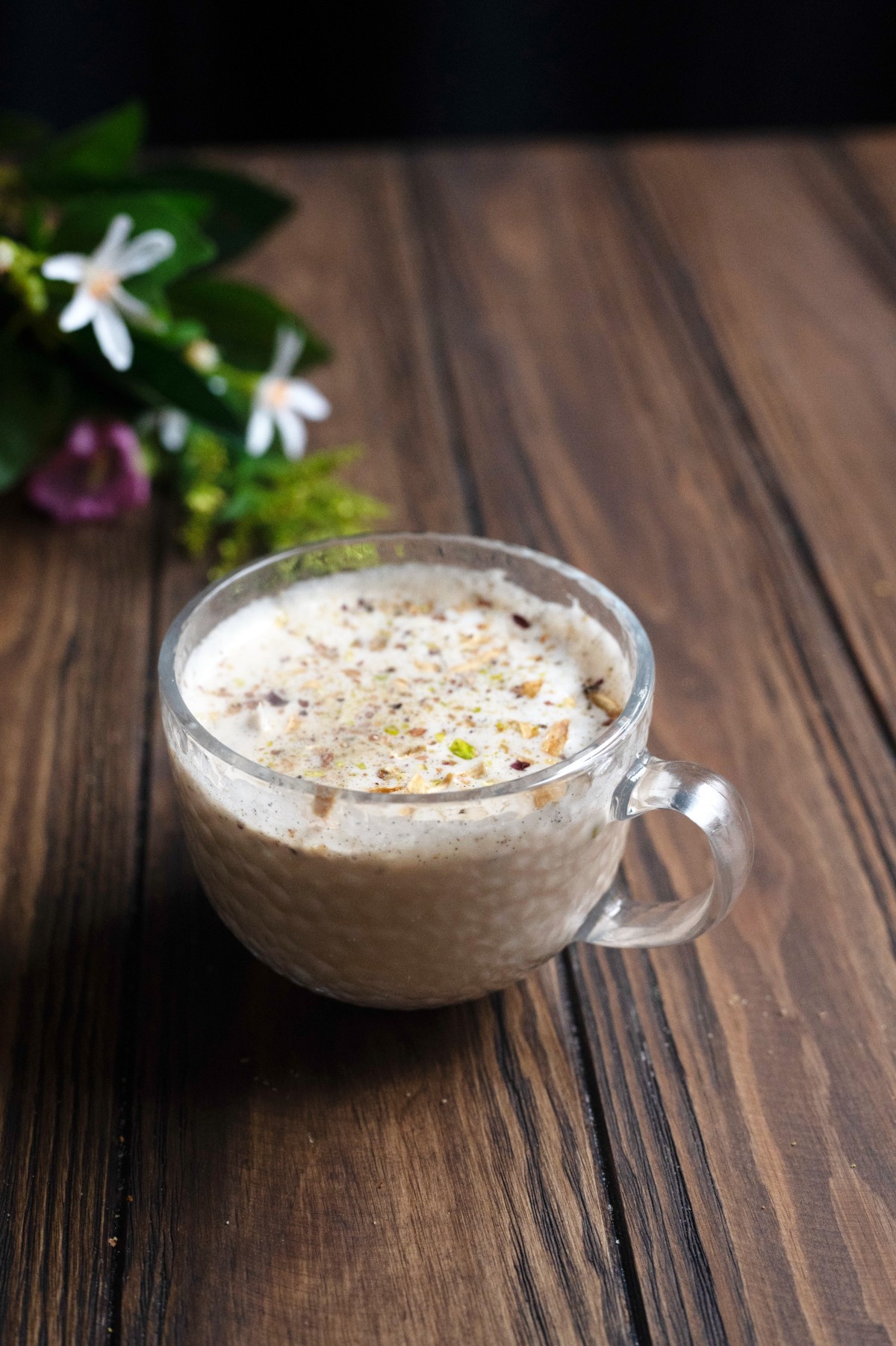
Whether for a special occasion or an ordinary morning that calls for an exceptional treat, we hope you savor this Orange Blossom Latte as much as we do. Flowers and spices have such a wonderful way of weaving magic and joy into our everyday dishes and drinks. Both your taste buds and mood are sure to be soothed and uplifted by this delightful herbal latte recipe.
REFERENCES
Dass, V. (2013). Ayurvedic herbology: East & West. Lotus Press.
Dehghan, Z., Jafarian Amiri, S.R., Mozaffarpur, S.A., Shirafkan, H., & Arzani, A. (2024). Effect of bitter orange blossom distillate on anxiety and sleep disorder in mothers with infants admitted to neonatal intensive care unit: A randomized controlled clinical trial. PloS One, 19(8), e0306887. https://doi.org/10.1371/journal.pone.0306887
Groves, M.N. (2016). Body into balance: An herbal guide to holistic self-care. Storey Publishing.
Jiao, L. (2019). Caffeine consumption and the colonic mucosa-associated gut microbiota. American College of Gastroenterology. https://gi.org/media/press-info-scientific-meeting/featured-science/p1916-caffeine-consumption-and-the-colonic-mucosa-associated-gut-microbiota/
About Post Author