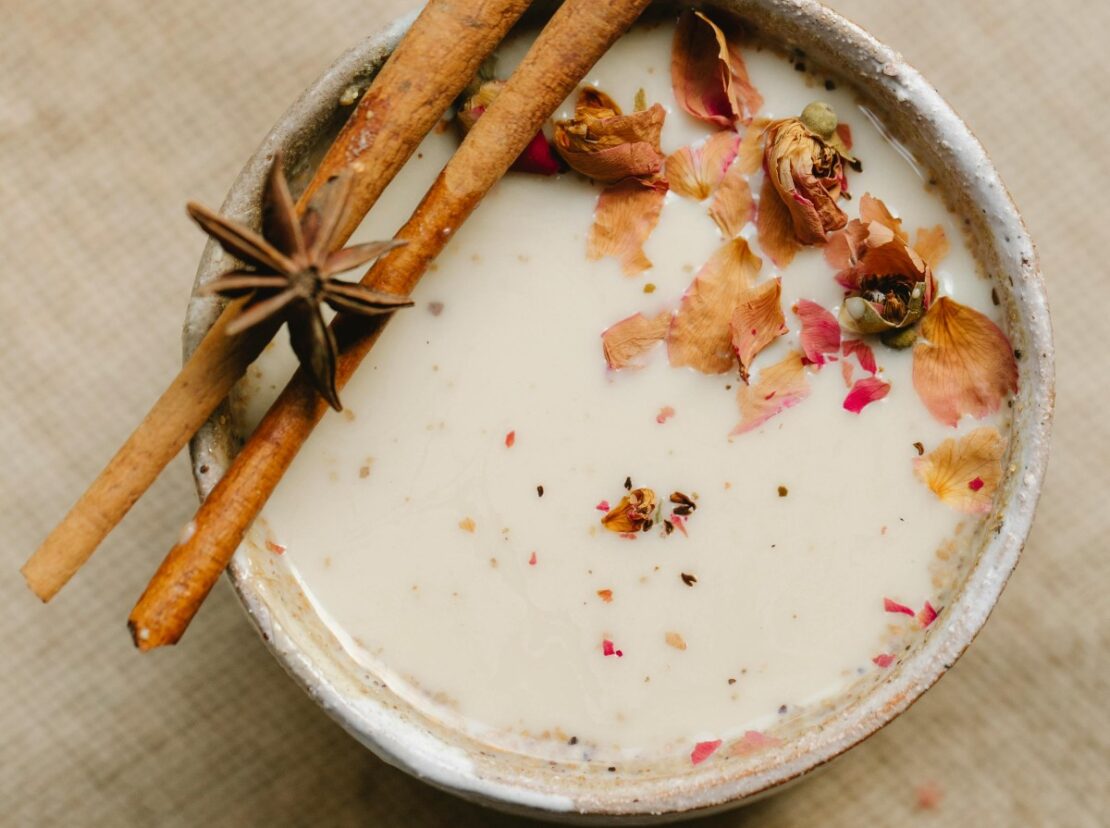
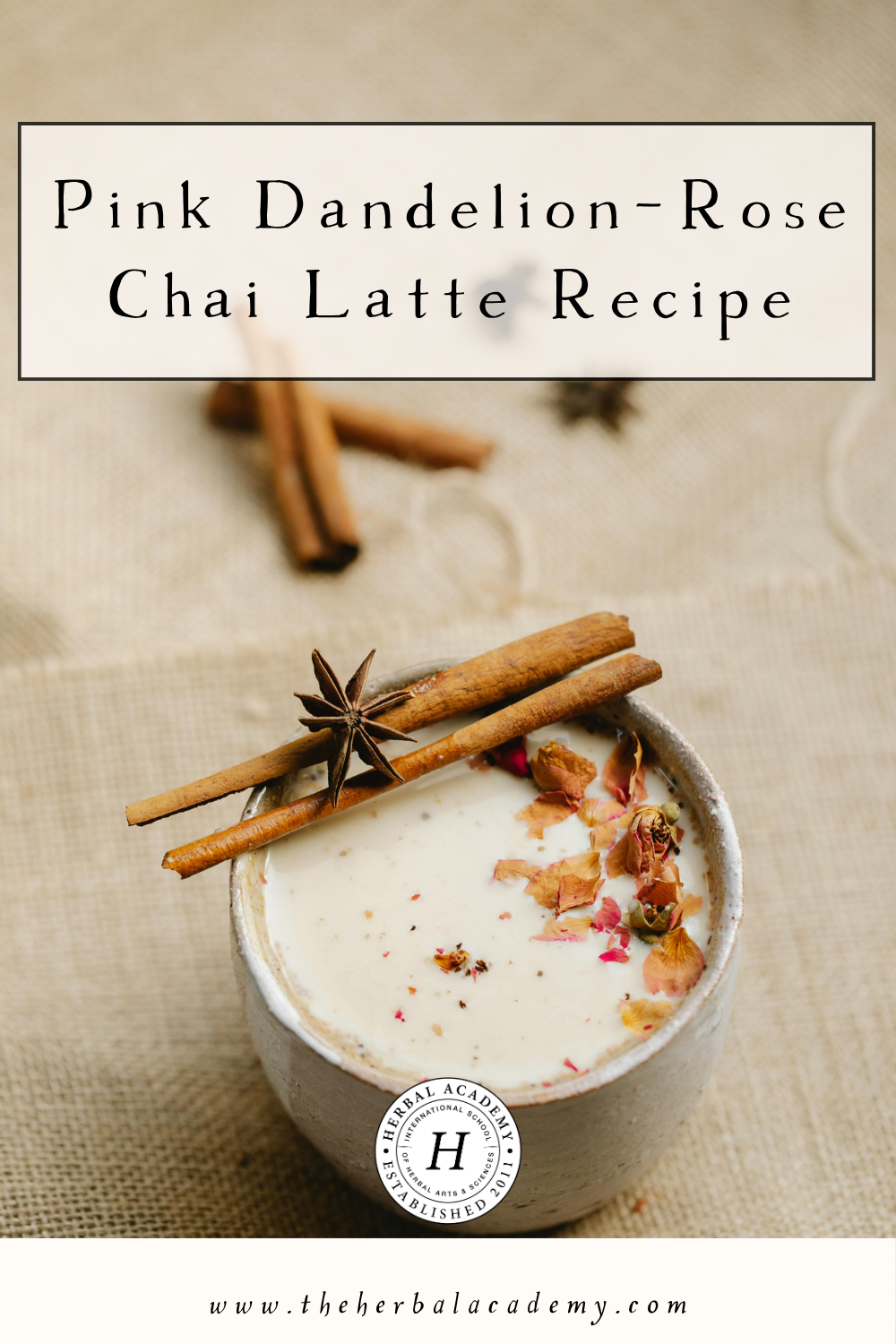
Pink Dandelion-Rose Chai Latte Recipe
This excerpt is from Maria Noël Groves’ new book, Herbal Gut Health: Natural Therapies to Promote Healthy Digestion, Boost Your Microbiome, and Support Gut Repair (Storey Publishing, 2026), and is reprinted with permission from the publisher.
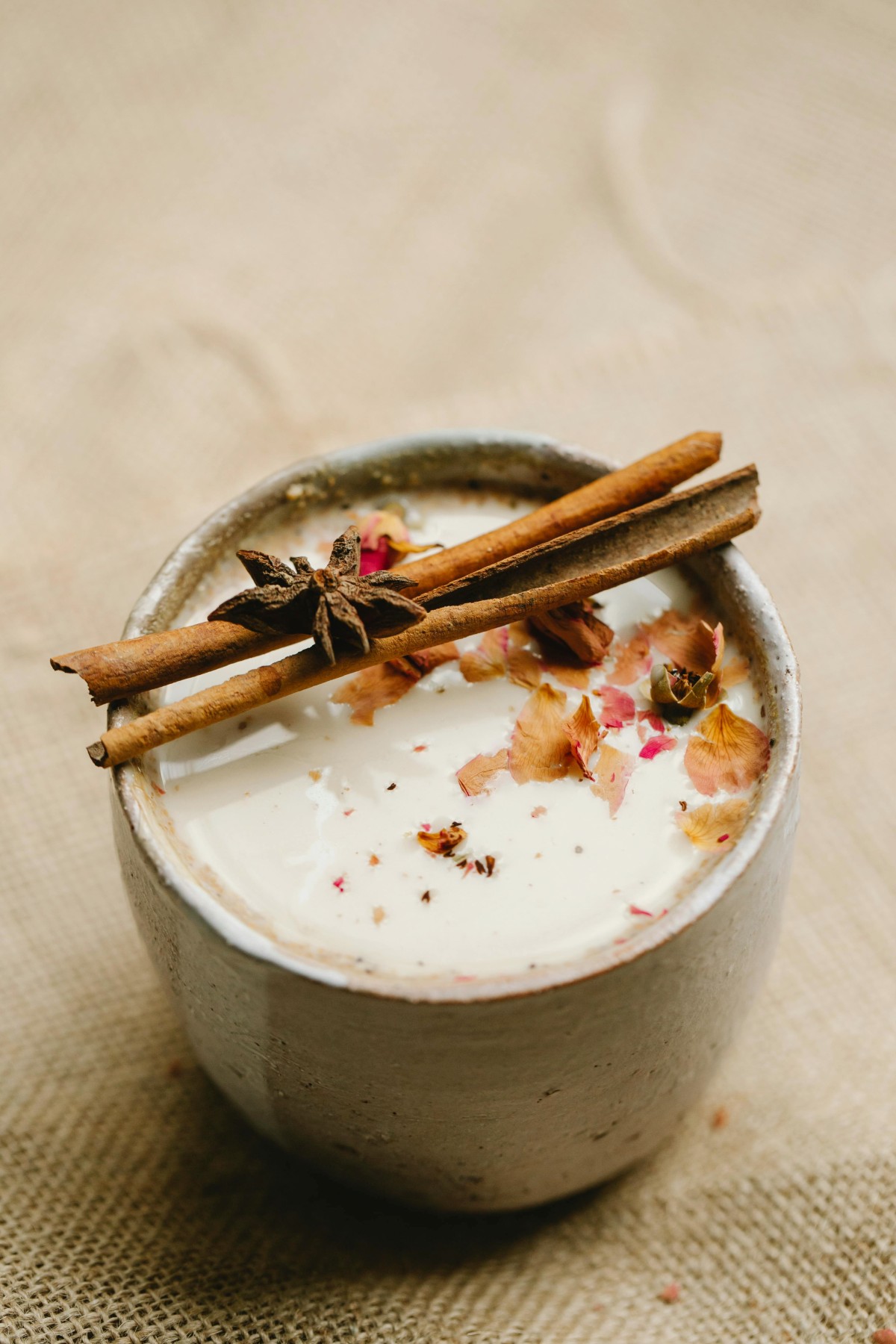
This blend combines bitters (dandelion and/or chicory and burdock roots), the uplifting and heart-gladdening aroma of rose, prebiotic starches to feed beneficial gut flora, and carminative spices. The recipe was inspired by a pink rose chai latte I enjoyed at the café in Apotheca Flowers in Goffstown, New Hampshire. My version adds bitter herbs and skips the sugar by swapping out rose and chai syrups for the real deal. Roasted roots will lend a darker color and more bitter, coffee like flavor, but raw roots also work great and will better display the pink hue.
1–2 heaping teaspoons dandelion, chicory, and/or burdock cut and sifted roots (plain or roasted)
2 cinnamon sticks
2–4 cardamom pods
7 whole cloves
1 star anise pod and/or ½ teaspoon fennel seeds
½–1 teaspoon beet root powder (optional)
½–1 teaspoon rose petals
Oat milk or other creamer of choice(optional)
½ teaspoon pure vanilla extract (optional)
Pinch of nutmeg (optional)
Combine the roots, whole spices, and beet powder (if using) with 12 to 16 ounces of water in a pot. Bring just to a boil, then reduce the heat and let simmer for 15 to 20 minutes. Remove from the heat, add the rose petals, cover, and let steep for 5 to 15 minutes. Strain into your mug, add the oat milk, vanilla, and nutmeg (if using), and enjoy!
Additional Nice Ingredients
- 1 heaping teaspoon oat straw (nutrition, sweet flavor)
- 1 heaping teaspoon oat tops (nutrition, sweet flavor)
- 1 teaspoon cacao/cocoa (chocolate flavor, antioxidants, caffeine)
- 1 teaspoon maca (energy, adaptogen, nutrition, mucilage, sweet flavor, mood and reproductive tonic)
- 1 heaping teaspoon linden (relaxing nervine, mucilage, sweet flavor)
- 1 heaping teaspoon marshmallow root or leaf (sweet flavor, mucilage)
- ¼ to ½ teaspoon ashwagandha (energy, adaptogen, mood and reproductive tonic)
- ¼ to ½ teaspoon shatavari (mucilage, feminine reproductive tonic, gentle calming adaptogen)
Variations
Simple Version: 1 teaspoon roasted chicory root, 1 teaspoon dandelion root, ½ teaspoon rose buds or petals, steeped (without simmering) for 15 minutes or longer. Strain, then add a pinch of cardamom or chai powder and oat milk.
Dandelion + Marshmallow Roots: Prepare as directed in the main recipe, using mildly bitter and aromatic dandelion with soothing, moistening marshmallow for the roots and a pinch of cardamom for the spice. Other spices, like ginger or cinnamon, would go well, too.
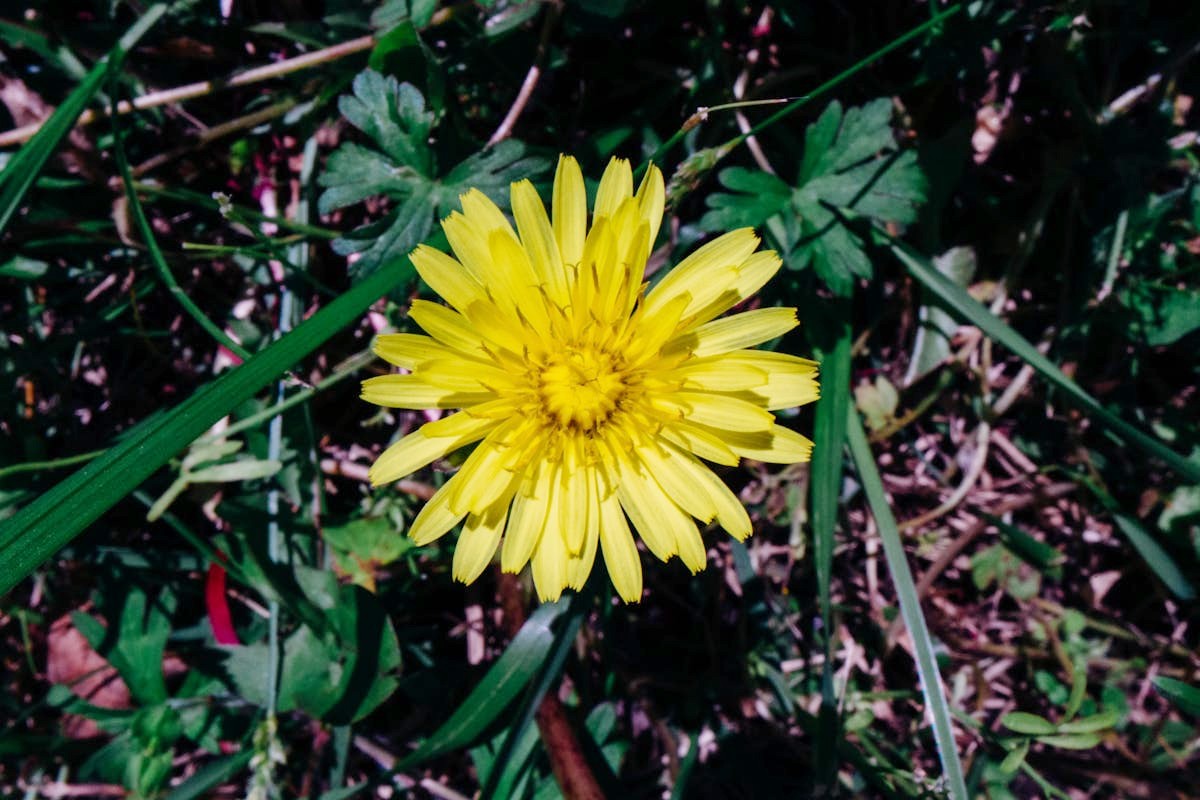
Dandelion and Chicory
Taraxacum officinale and Cichorium intybus
Daisy Family (Asteraceae)
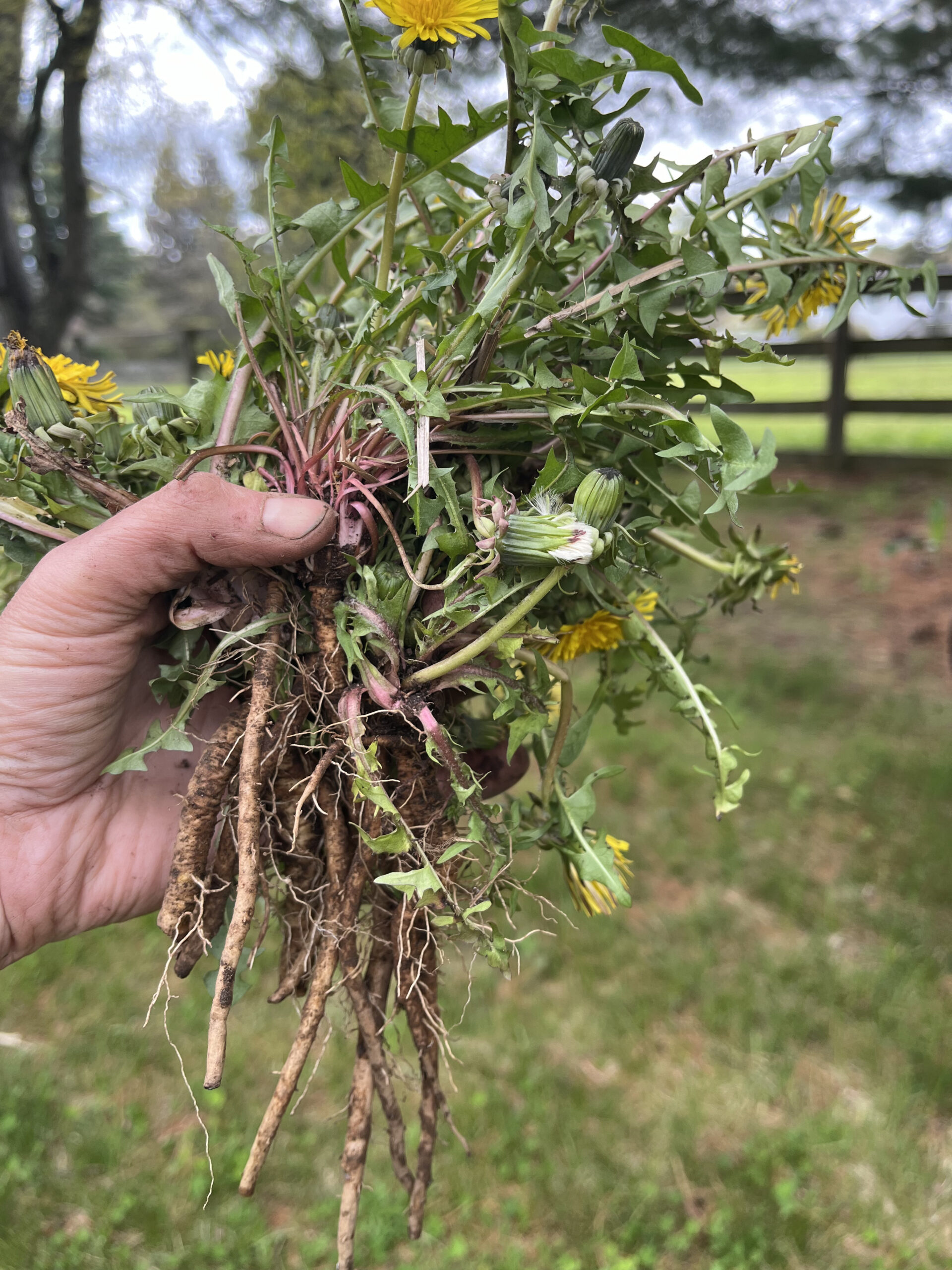
The roots of dandelion and chicory have mild to moderate bitter activity to stimulate digestive juices, and because they contain inulin, they also function as prebiotic starches that feed and rebuild gut microflora. Consider them if you have dyspepsia, sluggish digestion, poor fat digestion, and (in some cases) heartburn (particularly when it stems from sluggish digestion) and if you are looking for gentle digestive-detox support.
Parts Used: leaves, roots (and the flowers are edible)
Key Digestive Actions: mild bitter, digestive
Additional Actions: alterative (supports the detoxification pathways), cholagogue, hepatoprotective (protects the liver), hypocholesterolemic (lowers cholesterol), mild hypoglycemic (lowers blood sugar), cardiovascular tonic, diuretic, nutritive, mild laxative
Energetics and Tendencies: cooling, draining
Taste: mildly bitter, slightly sweet
Millions of Americans spray their lawns with toxic chemicals each summer to kill off the hated dandelion, yet herbalists seek it out to wildcraft and even cultivate it for food and medicine. Chicory is a close relative of dandelion, and its leaves and roots can be enjoyed similarly; the roots are often roasted as a coffee alternative. In almost all cases, you can use the two plants interchangeably. Their greens are more bitter and more diuretic than their roots, and the greens are often enjoyed as food, particularly in Mediterranean cuisine. Different varieties and species of chicory greens are known as radicchio, Belgian endive, escarole, horta, puntarella, frisée, and in some cases the “dandelion greens” sold by farms and produce markets.
Bitter Nutritious Detox
The leaves and roots of both plants encourage detoxification via the liver and kidneys. Their roots favor the liver, and their leaves the kidneys. This detox supports clearer skin over time, especially for acne and some kinds of rashes (though it may get worse before it gets better). The leaves act as a volume diuretic, while the roots are a subtler,sodium-leaching and potassium-rich diuretic, sometimes employed for mild edema, fluid retention, or hypertension.
The leaves and roots abound with minerals and have a bitter but not entirely unpleasant flavor. The leaves of dandelion in particular boast high amounts of calcium, potassium, and magnesium—rivaling or exceeding nettle. Dandelion and chicory greens pair well with strong flavors like garlic, lemon, vinegar, and olive oil, such as in pesto, and work well in soup or skillet greens. Crisp, sweeter, and lighter-hued chicory varieties like endive are more broadly palatable, popular in salads and appetizers. The chocolatey roots of both taste nice in tea and, when roasted, resemble coffee. You can use dandelion, chicory, or both together. They’re excellent in various blends alongside other earthy bitters (chocolate, reishi, burdock, coffee), warming spices, citrus/orange, chai, molasses, marshmallow, coconut flakes, coffee creamers (dairy, coconut, oat milk), vanilla, and perhaps some beet powder for color and earthy sweetness.
Additional Benefits
Dandelion is more popular than chicory as a medicinal herb. Chicory offers similar but typically milder benefits. Add dandelion to blends that are hypoglycemic or hormone-balancing for its liver/bitter benefits. Fresh dandelion roots—particularly as a tincture or alcohol slurry added to hot water by the teaspoon—may function as an antihistamine to relieve allergic reactions. Preliminary studies suggest dandelion roots have some anticancer benefit, but more research is needed to confirm this effect in humans. The roots of both plants contain inulin and its fructooligosaccharides, which feed beneficial gut bacteria. Chicory root is sometimes added as a prebiotic to probiotic supplements for this reason. Energetically, their moderately cooling and alterative yet nourishing properties have the potential to clear heat, inflammation, anger, and agitation, as well as move and drain stagnation, bogginess, and dull physical or mental states.
Safety and Considerations
Dandelion greens are generally quite safe, but their diuretic effect can be too much for some(the French call dandelion pissenlit, “piss the bed”). Likewise, the digestion-stimulating bitter properties of the greens or roots of either plant may aggravate acute gastrointestinal inflammation, irritation, or damage.
Wildcrafting and Harvesting Dandelion and Chicory
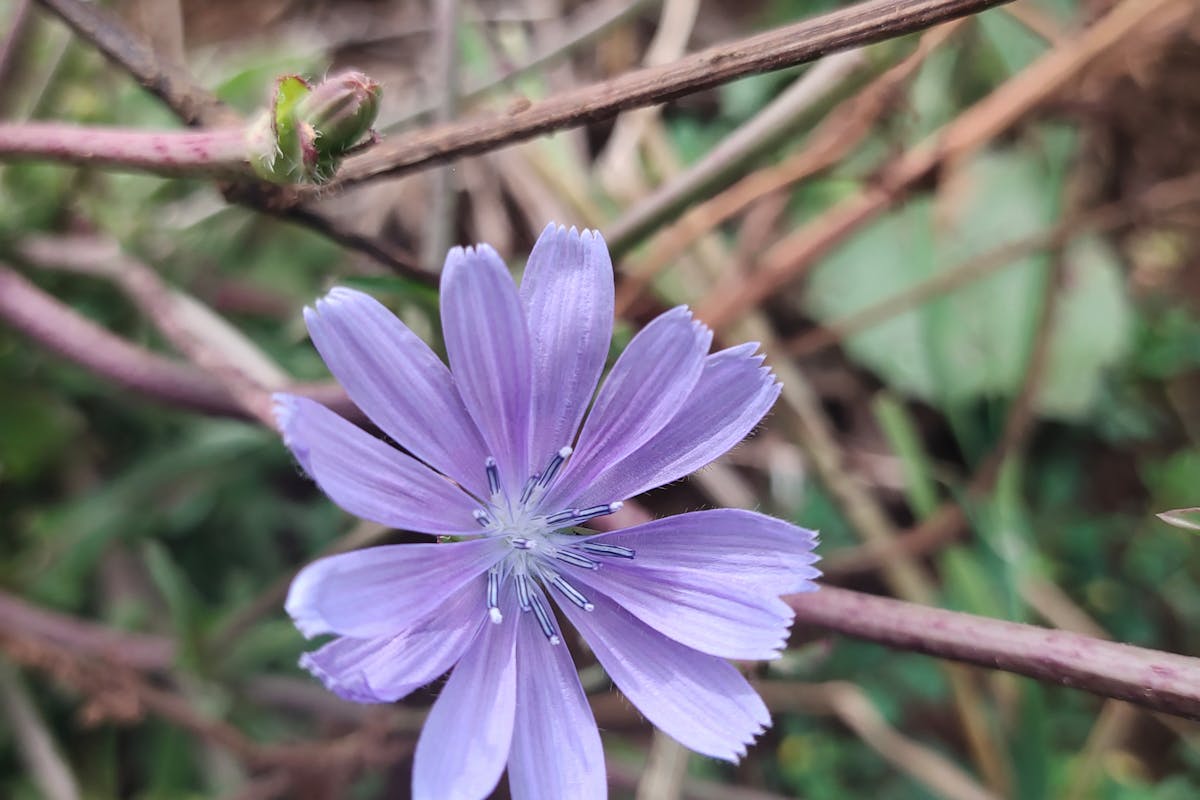
Be sure to properly identify dandelion using a field guide because many plants look similar. Chicory is tricky to ID when it’s not in flower. If you’re willing, let dandelion thrive in your lawn and the wild spaces of your yard. It prefers the fertile, calcium-rich soil of cow pastures and organic farm fields with some moisture and partial to full sun, but dandelion will grow (less robustly) in poorer soil and shadier or drier spots. It is a perennial in zones 3 through 9. Scraggly chicory, with its pretty blue blooms, likes dry, sunny, compacted soil (median strips, abandoned lots) and won’t be easy to eradicate if you come to regret planting it. For regular leaf crops in the garden, consider planting Italian dandelion, a better-behaved cultivar of chicory with long, dandelion-like leaves. Snip the young greens, preferably before they bloom (they get increasingly bitter after that but are still good food and medicine). Dig roots in spring or fall.
The prebiotic inulin starches in both roots can cause gas, bloating, and loose stools upon introduction, especially if you consume the root or root powder itself (less so when you take it as an extract or tea). People with SIBO or FODMAP sensitivities should introduce dandelion and/or chicory root slowly and/or avoid them until their microbiome is in better shape. Use caution or avoid alongside medications that are contraindicated with diuretics or potassium and potassium-rich foods. Seek medical attention, not dandelion or other bitters, in gallbladder, bile duct, or bowel obstruction. Daisy flower/ragweed family allergies are possible but rare. Do not harvest dandelion or chicory from contaminated soil; they bioaccumulate toxins and heavy metals.
Working with Dandelion and Chicory
Enjoy the root and/or leaves, fresh or dried. Starchy sediment settling on the bottom of a tincture or other liquid extract is normal.
Dosages
Tea: 1 teaspoon dried herb per cup, prepared as an infusion; take 1–3 cups daily
Tincture, Vinegar, Oxymel, Electuary, Glycerite, Syrup: 1–5 mL, 1–3 times daily, solo or in formula
Capsules, Powder, Pastilles: 500–2,000 mg crude herb daily
Make-Your-Own Tincture: Fresh leaf or root,1:2 ratio in 95 percent alcohol; dried leaf or root,1:5 ratio in 50–60 percent alcohol
Purchase the book on Amazon.

Maria Noël Groves, RH(AHG), (she/her) clinical herbalist, runs Wintergreen Botanicals, nestled in the pine forests of Chichester, New Hampshire. Her business is devoted to education and empowerment via classes, health consultations, and writing with the foundational belief that good health grows in nature. Maria is a bestselling author of the award-winning, best-selling Body into Balance: An Herbal Guide to Holistic Self Care as well as Grow Your Own Herbal Remedies, Herbal Remedies for Sleep, Herbal Gut Health, and another forthcoming book.
Maria is a registered clinical herbalist with the American Herbalist Guild, graduate of the Southwest School of Botanical Medicine and Sage Mountain herbal schools, and has approximately three decades of experience in herbal medicine.
About Post Author