
After the Bite: What to Do if You’re Bitten by a Tick
Tick populations are on the rise, and tick-borne diseases are becoming endemic in many areas of the United States. If you’re someone who has experienced a tick-borne illness, or if you live in fear of them, we have two offerings that can help you feel prepared to not only prevent a tick bite but take action with a holistic perspective if you experience one: our After the Bite video, and our brand new Holistic Approach for Tick-Borne Diseases Course.
Both of these resources dive deeper into what to expect and how to take action if you or someone you know finds themselves with a tick bite or a tick-borne illness.

Read on for a sneak peek into our free video, After the Bite: What You Need to Know About Tick-Borne Diseases, or watch the full in-depth video here.
How Ticks Transmit Disease to Humans
Ticks spend about 95% of their lives off-host, but they need a blood meal to grow and reproduce. Depending on the species, a tick may attach to their host by questing or hunting.
Questing is when the tick climbs onto a branch or blade of grass, and then when a host walks by, the tick latches onto them using their front legs. Alternatively, some ticks will use smell and vibration to hunt for their preferred host.
Ticks are parasites, using their bite to attach to their host and feed long enough to achieve the continuation of their life cycle. During this time, they alternate between drawing blood and releasing saliva. Tick saliva contains compounds that decrease detection and locally suppress the immune response, and if the tick is carrying a disease, this is how it will be transmitted to the host.
What to Do if You’re Bitten by a Tick
Step #1: Remove the Tick
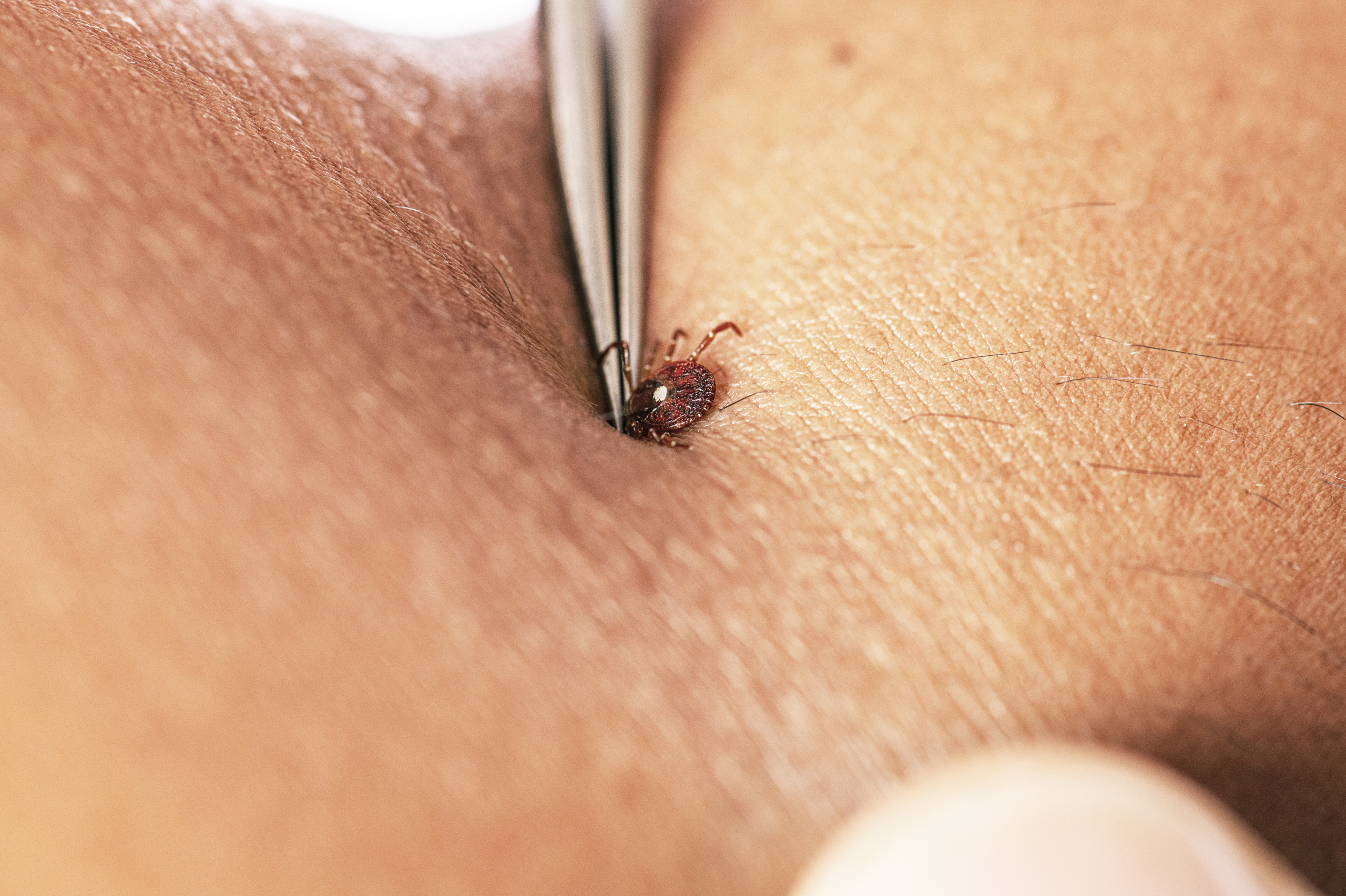
If you find yourself with a tick bite, the first thing you should do is try to remain calm. Next, you want to take action with a prompt and careful removal. Use clean, fine-tipped tweezers or one of the many tick removal tools that are available on the market. Avoid squeezing the body, and instead grasp the tick as close to the skin as possible before slowly and steadily pulling upward until it releases. Check for any mouthparts left behind, as this can cause infection.
Step #2: Clean the Bite Site
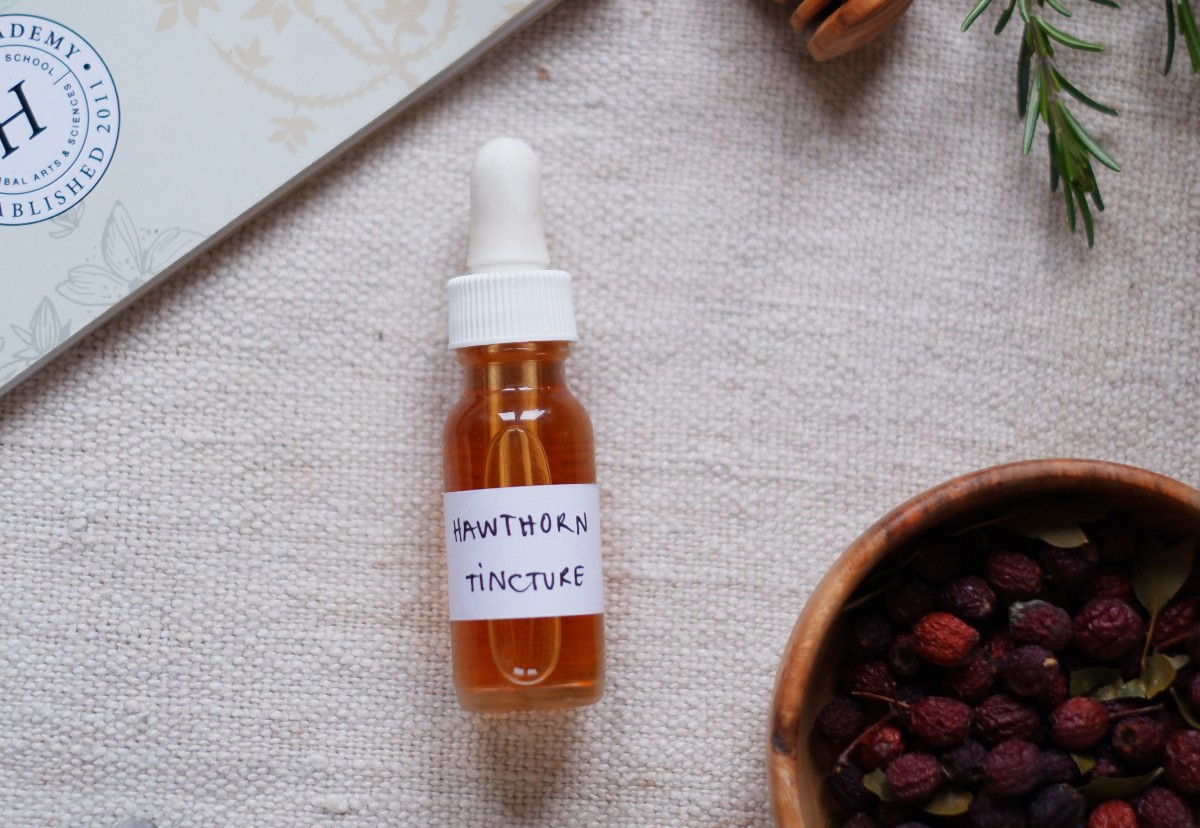
Just like with any other wound, use soap and water to clean the site of the tick bite. You can also apply an over-the-counter antiseptic or use a herbal protocol, such as a tincture of andrographis (Andrographis paniculata) aerial parts on a cotton ball. Apply a bandage and change it every few hours over a few days so that you can monitor the bite site.
Step #3: Keep a Detailed Record
Make a note of the date, where you believe you got the tick bite, where on your body you were bitten, and what the tick looks like. You may choose to take a picture of the tick or keep it in a plastic bag to send for testing. Having this information can help support you if post-bite symptoms arise.
Step #4: Nourish Your Nervous System
At this point, you may be feeling the fear of potential tick-borne disease. Remember that not all ticks carry pathogens, and a tick bite does not automatically mean that a disease transmission has occurred. Lean on nervine herbs like blue vervain (Verbena hastata) aerial parts or lemon balm (Melissa officinalis) aerial parts during this time to help you stay calm.
(Find in-depth plant monographs for blue vervain, lemon balm, and 200+ others inside our membership platform, The Herbarium; these herbs are also discussed inside the tick-borne diseases course.)
Step #5: Monitor for Post-Bite Symptoms
After removing the tick, your body’s immune system will no longer be suppressed by the tick’s saliva. There are many symptoms to watch out for after a bite, including gastrointestinal, respiratory, cardiovascular, and more. We cover these in depth, along with how to use herbs to manage the symptoms (and when to seek medical treatment), within the Holistic Approach for Tick-Borne Diseases course.
Free Tick Webinar: Watch Today
Broaden your knowledge with our YouTube video, After the Bite: What You Need to Know About Tick-Borne Diseases. In this 1.5-hour session, Herbal Academy’s Assistant Director and Lead Herbalist Educator, Lindsey Feldpausch, RH(AHG), provides a comprehensive overview of tick-borne diseases, tick bite prevention strategies, and holistic management.
Gain a Holistic Understanding of Tick-Borne Diseases

Our Holistic Approach for Tick-Borne Diseases Course is a self-paced, online program designed for anyone who wants to learn how to identify ticks, the diseases they carry, herbal support for tick bite treatment, and what it means to live with a tick bite illness. This course provides a collaborative learning experience shaped by a team of deeply knowledgeable Herbal Academy educators and experts in the world of vector-borne illnesses transmitted by ticks.
Click here for the course outline.
About Post Author