
4 Types of Tick Bite Illness and How to Use Holistic Support
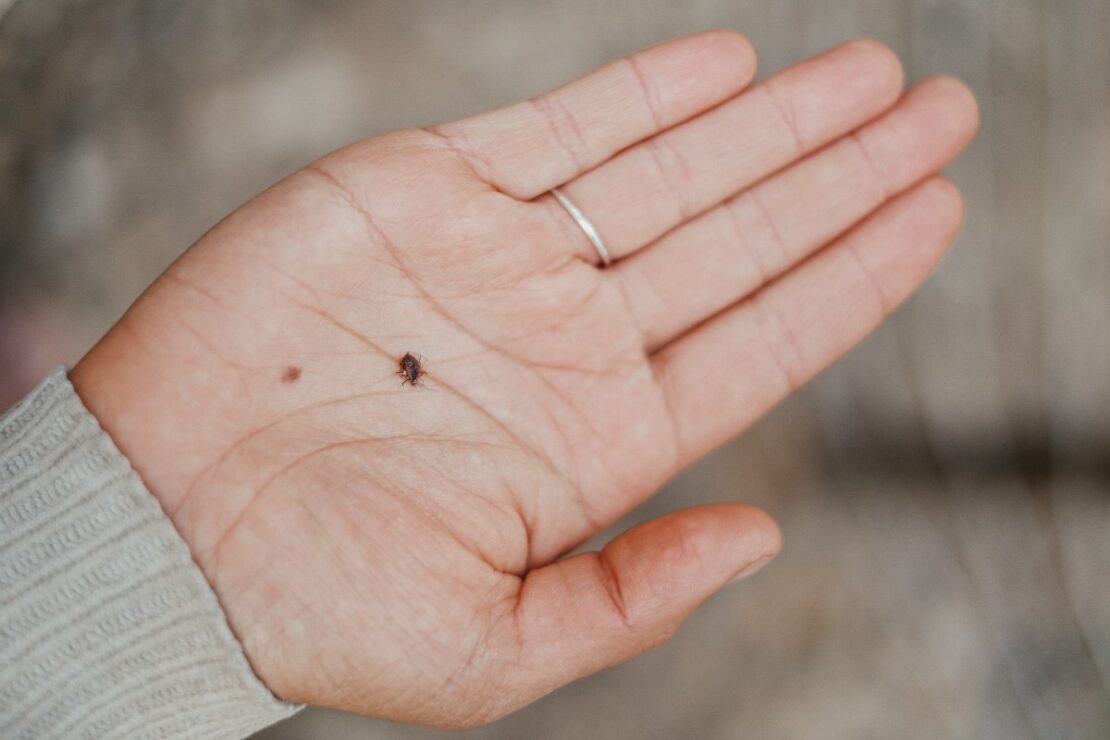
With temperatures rising every year, ticks and their bites are becoming more prevalent in the United States. The Center for Disease Control and Prevention (CDC) estimates that about 31 million people are bitten by ticks annually, with about 3.4 million people seeking health care treatments for tick bites. While not every bite will lead to a trip to the hospital, knowing what to look for can help you feel prepared and empowered as you enjoy the great outdoors. We’ve compiled a list of the four major types of tick bite illness to watch out for and how to approach them holistically. Any herbal support should be used alongside necessary medical care.
The information provided is a sneak peek into the type of information covered in our Holistic Approach for Tick-Borne Diseases Course. In class, we dive even deeper into what to expect and how to take holistic herbal action if you or someone you know finds themselves with a tick bite or a tick-borne illness.

And, for more info, check out our video After the Bite: What You Need to Know About Tick-Borne Diseases.
4 Types of Tick Bite Illness

Tick-Borne Allergies
Most people associate tick bite illness with microbial infections, but allergic reactions shouldn’t be ignored. Allergies from a tick bite can range from a localized response in the tissue to a serious systemic allergic reaction like alpha-gal syndrome (AGS) which can lead to anaphylaxis.
Which Ticks Cause Allergies?
The lone star tick (Amblyomma americanum) is believed to be the main culprit for transmission of AGS in the United States. It is a large, hard-bodied tick that is reddish-brown with a singular white spot on adult females and white streaks on males.
Symptom Overview
- Skin: Hives, itching, flushing, swelling of the lips, face, or throat
- Respiratory: Shortness of breath, wheezing, chest tightness, throat constriction, difficulty swallowing
- Cardiovascular: Dizziness, light-headedness, rapid or weak pulse, low blood pressure, fainting
- Gastrointestinal: Severe abdominal pain, cramping, nausea, vomiting, diarrhea
- Other: Joint pain and swelling or mast cell activation syndrome (MCAS)
Note: In some cases, alpha-gal syndrome can lead to the development of an allergic reaction or even anaphylaxis from red meat consumption, particularly beef, pork, lamb, and venison.
Herbal Support for Tick-Borne Allergies
- Skin: Calendula (Calendula officinalis) flower, chamomile (Matricaria chamomilla) flower, plantain (Plantago spp.) leaf
- Cardiovascular: Hawthorn (Crataegus spp.) berry, blueberry (Vaccinium spp.) berry and leaf, linden (Tilia spp.) flower and bract
- Gastrointestinal: Ginger (Zingiber officinale) rhizome, chamomile (Matricaria chamomilla) flower, fennel (Foeniculum vulgare) seed
- Joint Pain: Baikal skullcap (Scutellaria baicalensis) root, Japanese knotweed (Reynoutria japonica) root
- MCAS: Nettle (Urtica dioica) leaf

Tick-Borne Bacterial Infections
Tick-borne pathogens are passed to humans through the saliva during a bite from an infected tick. Lyme disease is the most common tick bite illness, but there are others to be aware of, including anaplasmosis and ehrlichiosis.
Which Ticks Cause Bacterial Infections?
The blacklegged tick or deer tick (Ixodes scapularis) and western blacklegged tick (Ixodes pacificus) are known to carry Lyme disease, anaplasmosis, and ehrlichiosis. These are small, hard-bodied ticks that have reddish-brown bodies, dark black legs, and a distinctive black shield behind the head. The lone star tick (Amblyomma americanum) mentioned above is also known to carry ehrlichiosis.
Symptom Overview
Lyme disease:
- Skin: Circular rash that may look like a bullseye
- Cardiovascular: Heart palpitations, arrhythmias, chest pain, shortness of breath, lightheadedness or syncope, irregular heartbeat
- Other: Fever, chills, headache, fatigue, body aches, joint pain, neuropathy
Anaplasmosis and ehrlichiosis:
- Skin: Petechial rash
- Gastrointestinal: Diarrhea, nausea, vomiting, appetite loss
- Other: Fever, chills, headache, fatigue, body aches
Herbal Support for Tick-Borne Bacterial Infections
Lyme Disease:
- Skin: Calendula (Calendula officinalis) flower, chamomile (Matricaria chamomilla) flower, plantain (Plantago spp.) leaf (if itchy or painful)
- Cardiovascular: Hawthorn (Crataegus spp.) berry, blueberry (Vaccinium spp.) berry and leaf, Japanese knotweed (Reynoutria japonica) root
- Other: Ginger (Zingiber officinale) rhizome, ginkgo (Ginkgo biloba) leaf, cat’s claw (Uncaria tomentosa) bark
Anaplasmosis and ehrlichiosis:
- Skin: Calendula (Calendula officinalis) flower, plantain (Plantago spp.) leaf, arnica (Arnica spp.) flower
- Gastrointestinal: Ginger (Zingiber officinale) rhizome, marshmallow (Althaea officinalis) root, peppermint (Mentha x piperita) leaf
- Other: Elder (Sambucus nigra, S. canadensis) flower, ginger (Zingiber officinale) rhizome, yarrow (Achillea millefolium) aerial parts
Tick-Borne Parasite Infections
While ticks are external parasites to humans, they can also transmit internal parasites to us. This type of tick bite illness includes babesiosis, which is the third most common tick-borne disease in the United States.
Which Ticks Cause Parasite Infections?
The blacklegged tick or deer tick (Ixodes scapularis) and western blacklegged tick (Ixodes pacificus) mentioned above are known to carry babesiosis.
Symptom Overview
- Gastrointestinal: Nausea, abdominal pain
- Respiratory: Cough, shortness of breath
- Cardiovascular: Heart palpitations, chest pain, edema
- Other: Fever, chills, profuse sweating, muscle aches, headache, jaundice
Herbal Support for Tick-Borne Parasite Infections
- Gastrointestinal: Fennel (Foeniculum vulgare) seed, ginger (Zingiber officinale) rhizome, peppermint (Mentha x piperita) leaf
- Respiratory: Elecampane (Inula helenium) root, hyssop (Hyssopus officinalis) aerial parts, mullein (Verbascum thapsus) leaf
- Cardiovascular: Linden (Tilia spp.) bract and flower, hawthorn (Crataegus spp.) berry, leaf, flower, motherwort (Leonurus cardiaca) aerial parts
- Other: Ginger (Zingiber officinale) rhizome, milk thistle (Silybum marianum) seed, and reishi (Ganoderma lucidum) mushroom

Tick-Borne Viral Infections
While still uncommon, tick-borne viral infections are on the rise. This type of tick bite illness is also transmitted to humans through the tick’s saliva during a bite. Unfortunately, many tick-borne viruses are poorly understood, as most of them are relatively newly discovered, and because tick-borne viral infection doesn’t always lead to symptoms, they tend to be underdiagnosed.
Which Ticks Cause Viral Infections?
The lone star tick (Amblyomma americanum) mentioned above is also known to carry bourbon virus and heartland virus.
Symptom Overview
Bourbon virus:
- Skin: Rash
- Gastrointestinal: Nausea, vomiting
- Other: Fever, headache, fatigue, body aches
Heartland virus:
- Gastrointestinal: Diarrhea, vomiting
- Respiratory: Can lead to respiratory dysfunction or failure if untreated. Seek medical care immediately if this occurs.
- Other: Fever, headache, fatigue, body aches, joint pain
Herbal Support for Tick-Borne Viral Infections
Bourbon virus:
- Skin: Calendula (Calendula officinalis) flower, chamomile (Matricaria chamomilla) flower, and plantain (Plantago spp.) leaf (if itchy or painful)
- Gastrointestinal: Ginger (Zingiber officinale) rhizome, peppermint (Mentha x piperita) leaf, and fennel (Foeniculum vulgare) seed
- Other: Elder (Sambucus nigra, S. canadensis) flower, catnip (Nepeta cataria) aerial parts, and ginger (Zingiber officinale) rhizome
Heartland virus:
- Gastrointestinal: Ginger (Zingiber officinale) rhizome, chamomile (Matricaria chamomilla) flower, and fennel (Foeniculum vulgare) seed
- Other: Elder (Sambucus nigra, S. canadensis) flower, catnip (Nepeta cataria) aerial parts, and ginger (Zingiber officinale) rhizome

Preventing Tick Bite Illness
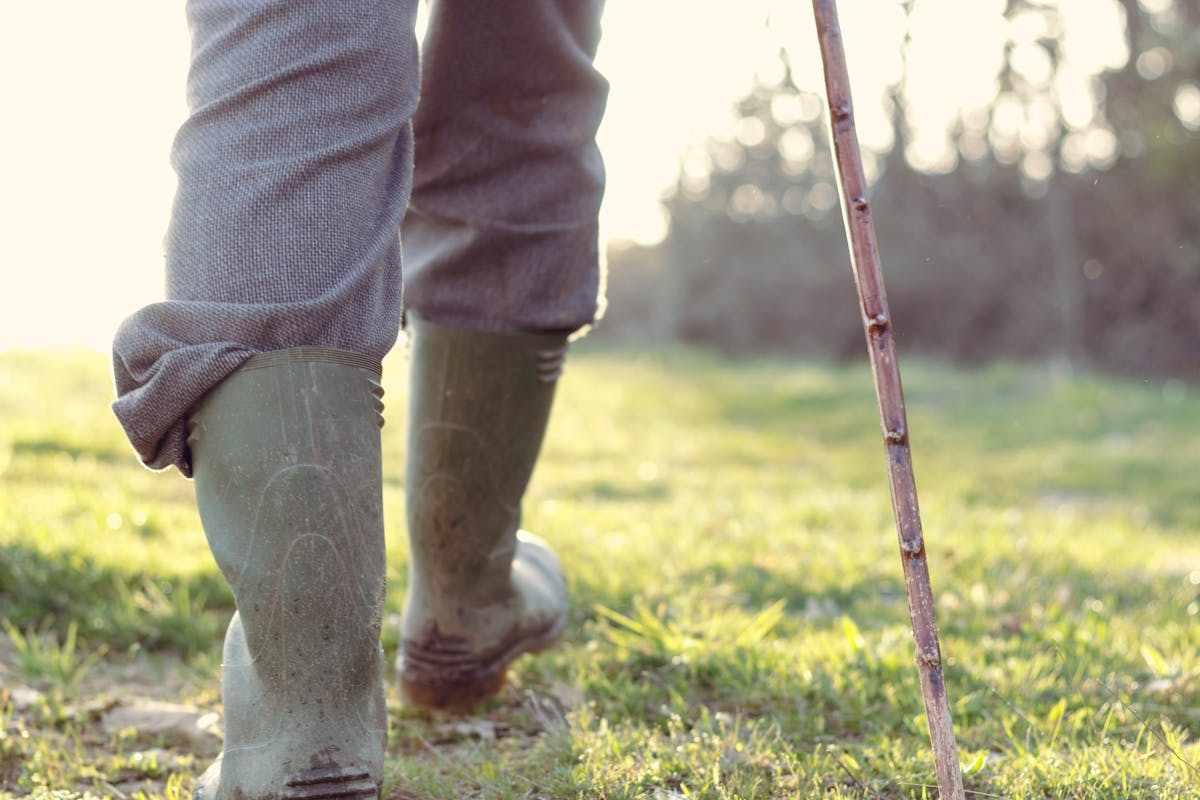
Personal protection is one of the best ways to avoid tick bites. This can include avoiding tick habitats by spending time in open, sunny areas, along with wearing protective clothing and treating your skin, pet hair, and/or clothing with an insect repellent.
Clothing choices are effective ways to reduce the chance of a tick bite. Try wearing:
- Light-colored clothing
- Long pants tucked into socks, long-sleeved shirts tucked into the waistband of pants, and sleeves that are fitted at the wrist
- Smooth, tightly woven fabrics
- Closed-toe shoes
- Hats
Essential oil tick repellents can be supportive in low to moderate-risk environments or as part of a layered tick-deterrent strategy. Click here to learn how to make your own!

Learn More in Our New Course
Herbal Academy’s Holistic Approach for Tick-Borne Diseases Course is a self-paced, online program designed for anyone who wants to learn how to identify ticks, the diseases they carry, herbal support for tick bites, and what it means to live with a tick bite illness. This course provides a collaborative learning experience shaped by a team of deeply knowledgeable Herbal Academy clinical herbalists and educators as well as experts in the world of vector-borne illnesses transmitted by ticks.
Click here for the course outline.
About Post Author