How To Make A Tincture
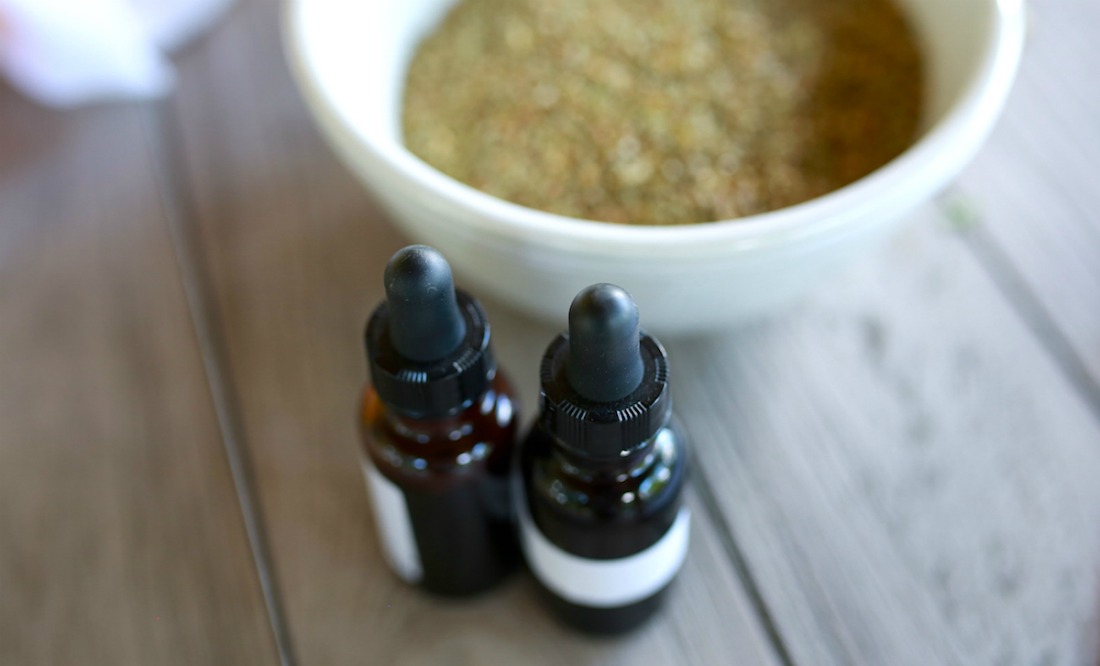
Before learning how to make a tincture, it is important to learn what a tincture is! Tinctures are herbal preparations that use alcohol, vinegar, or glycerin as a solvent, which allows for the extraction of a greater spectrum of the plant’s constituents and a longer shelf life compared to water-based infusions and decoctions. Alcohol is an especially excellent solvent that extracts a wide range of plant compounds and allows for easy absorption into the bloodstream.
What is a Tincture?
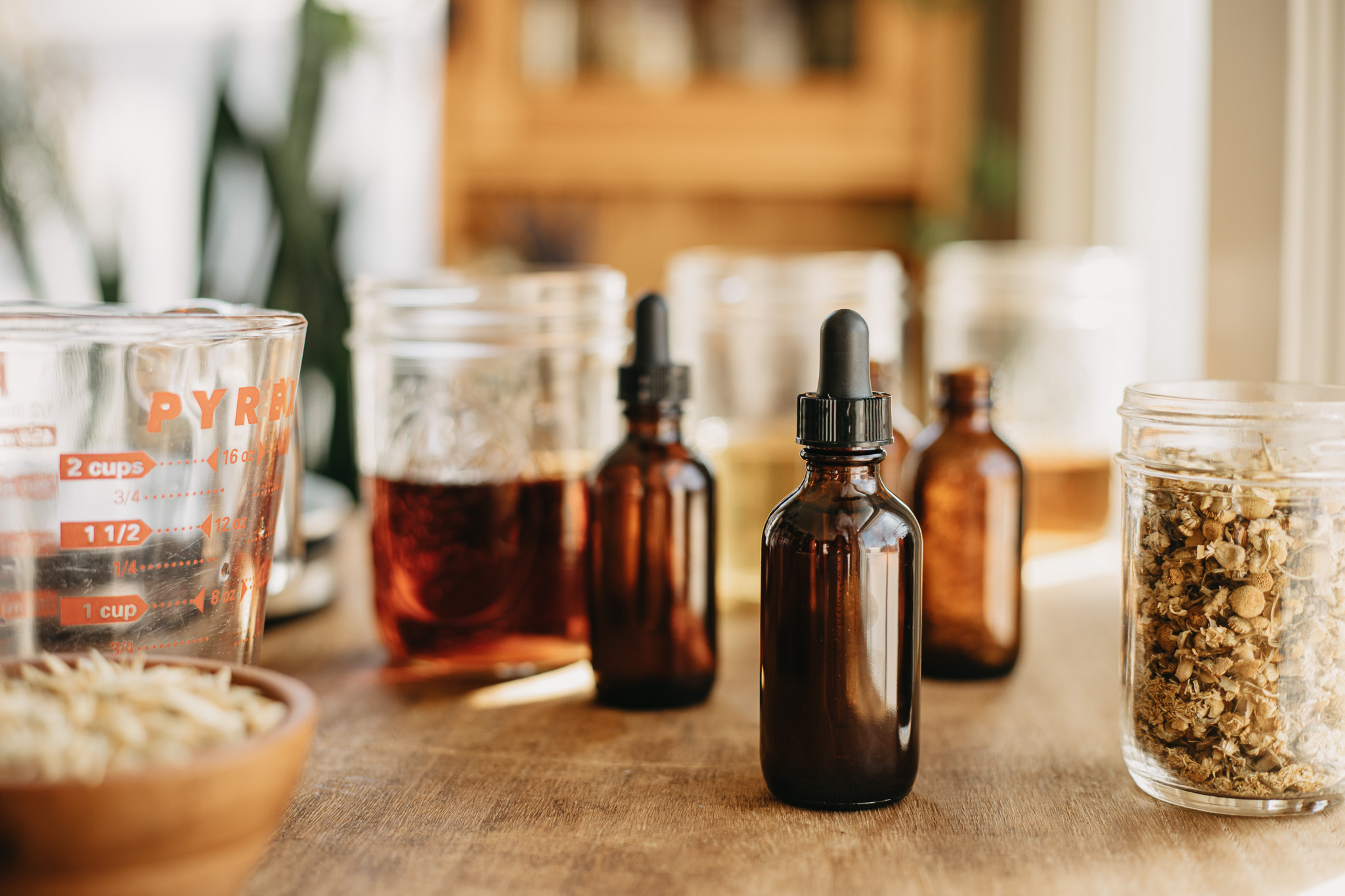
Before learning how to make a tincture, it is important to learn what a tincture is! Tinctures are herbal preparations that use something beyond water as a solvent. Using a solvent like alcohol, vinegar, or glycerin, you can extract a greater spectrum of the whole plant and preserve the medicine much longer than an infusion or a decoction. Alcohol is especially an excellent solvent that extracts a wide range of plant properties and allows for easy absorption of healing compounds into the bloodstream.
In this article, we will focus on making a simple alcohol-based tincture using the folk method, which is one of the many methods used in herbalism. The folk method requires no strict measurements and will inherently produce variable results in terms of ratios and strength, but you can keep track of how much herb and liquid you are using in order to be consistent in your results when re-making tinctures over time.
Tincture Making Supplies
There aren’t too many supplies needed to make a tincture.
- Sanitized wide-mouthed canning jars and tight-fitting lids
- Dry or fresh herbs.
- Vodka or brandy (40-60% alcohol content for dry herbs; 70-95% for fresh herbs).
- Natural parchment paper
- Cheesecloth or muslin
- Fine-mesh wire strainer (optional)
- Funnel (optional)
- Mortar and pestle (if using dried plant material) or a knife and cutting board or blender/food processor (if using fresh plant material)
- Blender or food processor (optional)
- Sanitized tincture bottles. These one ounce bottles will work perfectly. Other sizes are also available.
- Permanent marker and labels
- Patience. Making tinctures takes time!
Choosing Herbs for Tincture Making
You may want to first think about the actions or energetics of the herb that you are using, in addition to any precautions or contraindications. If you have a medical condition, are taking pharmaceutical drugs, or are pregnant, please consult your physician prior to taking herbs.
For the folk method of tincturing, good herbs to try include chamomile (Matricaria chamomilla) flower, calendula (Calendula officinalis) flower, dandelion (Taraxacum officinalis) root, burdock (Arctium lappa) root, echinacea (Echinacea spp.) root, elder (Sambucus canadensis, S. nigra) flower, fennel (Foeniculum vulgare) seed, hawthorn (Crataegus spp.) berry, flower, and/or leaf, lavender (Lavandula spp.) flower bud, meadowsweet (FIlipendula ulmaria) flower, mullein (Verbascum thapsus) leaf, and passionflower (Passiflora incarnata) aerial parts.
Another factor to consider when choosing herbs is solubility. Alcohol can extract compounds like alkaloids, bitter compounds, flavonoids, resins, some vitamins and minerals, tannins, and volatile oils but precipitates the mucilage you may be trying to extract in herbs like marshmallow root (cold water infusion is the preferred method for marshmallow root).
Once you have an herb in mind for tincture making, you can purchase it online from a quality source, buy it at a local health food store, or harvest it right from your garden. If you choose an herb from your garden, make sure it has not been sprayed with chemicals, is not under roof drip lines or along roadsides, and is free of soil and insects.
How to Make a Tincture
- If necessary, garble herb(s) to remove the fresh or dried material off of the stalks or scrub dirt off of freshly dug roots. Chop fresh herbs or grind/crush dried herb(s) into small pieces to expose the most surface area for extraction.
- Place herb(s) in a sanitized glass jar. Fill the jar nearly full with fresh herb(s) or about ½ full with dried herb(s) (which will expand as the plant material absorbs the menstruum).
- Add enough alcohol to cover the herb(s) by 1 inch. All plant material should stay below the surface of the alcohol by at least an inch during the entire extraction process. Herb(s) above the surface of the alcohol can oxidize and begin to decompose or mold. (Note that the alcohol and fresh or dried herb(s) can be blended together in a blender or food processor to reduce the volume of the herb(s) and then poured into a sanitized glass jar. This is just a quick chop, not a puree! Blending time should be minimized to avoid overheating the herb(s).)
- Place a square piece of natural parchment paper on top of the jar, then seal the jar with a lid (this protects the tincture from any chemical coating that may be on the lid).
- Give the jar a shake to ensure that the herb(s) and alcohol are thoroughly mixed.
- Label the jar, store in a cool, dark location such as a cupboard, and visit every few days, giving the jar a shake and checking to see if the alcohol needs to be topped off a bit due to expansion of the herb(s).
- Let macerate for 4-6 weeks.
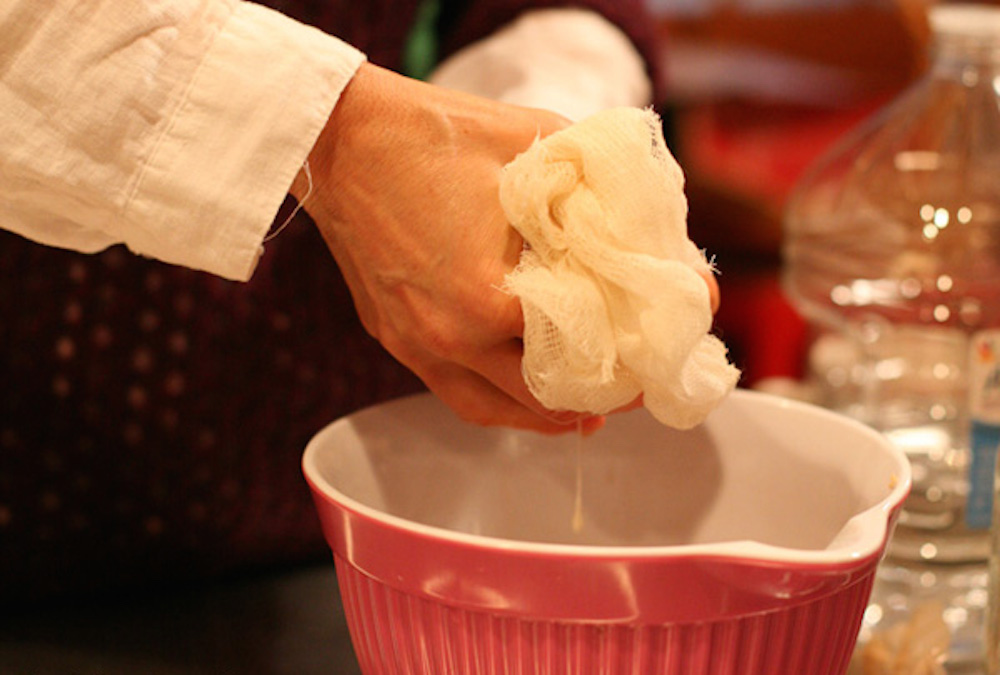
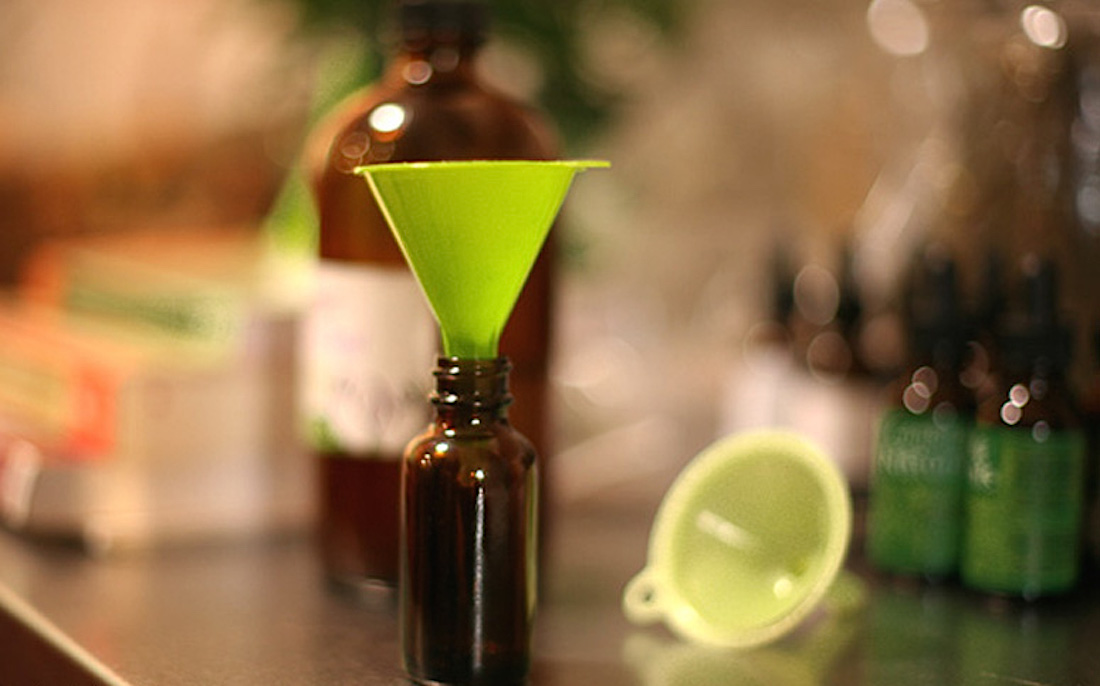
- Line a wire strainer with a few layers of cheesecloth or finer cloth, or simply place the cloth within a funnel placed in the mouth of a sanitized glass jar, and decant the mixture. With clean hands, gather the cloth up and squeeze strongly, squeezing as much liquid from the herb(s) as possible. Compost the herb(s).
- Cover the jar, and let the liquid settle overnight in a cool, dark location. This will allow any herb sediment to settle at the bottom of the jar. You can also strain the tincture through a finer filter such as an unbleached coffee filter to remove sediment.
- Transfer the tincture into sanitized, dark-colored glass bottles with dropper tops or cap tops. Label, and store in a cool, dark location.
An alcohol-based tincture will last many years. Using a standard sized dropper bottle, adult dosages are typically 30 to 60 drops in a little water, taken three times a day. However, drop size can be variable depending on the viscosity of the preparation and the dropper size, so if you prefer more precision in your dosage you can consult a reputable publication like Medical Herbalism by David Hoffman or Herbal Academy courses.
Learning how to make a tincture is just one of the first things beginners learn in herbalism. If you are interested in studying herbalism, start your journey in the Online Introductory Herbal Course or the Online Intermediate Herbal Course. Learn more about herbs and how to use them, herbal preparations, and so much more! If you are specifically interested in tincture making, you’ll find a deep dive in the Tincture Making 101 Course.
About Post Author