What is Kombucha? Herbalist’s Edition!
Kombucha has become increasingly popular over the last decade, with an abundance of options popping up in grocery stores, restaurants, and craft breweries. Despite its more recent mainstream popularity, this fizzy drink has been around for much longer than that. Kombucha has a rich history of use spanning thousands of years for its benefits, and with some time, imagination, and your herbal knowledge, you can make your own tasty brew right at home!
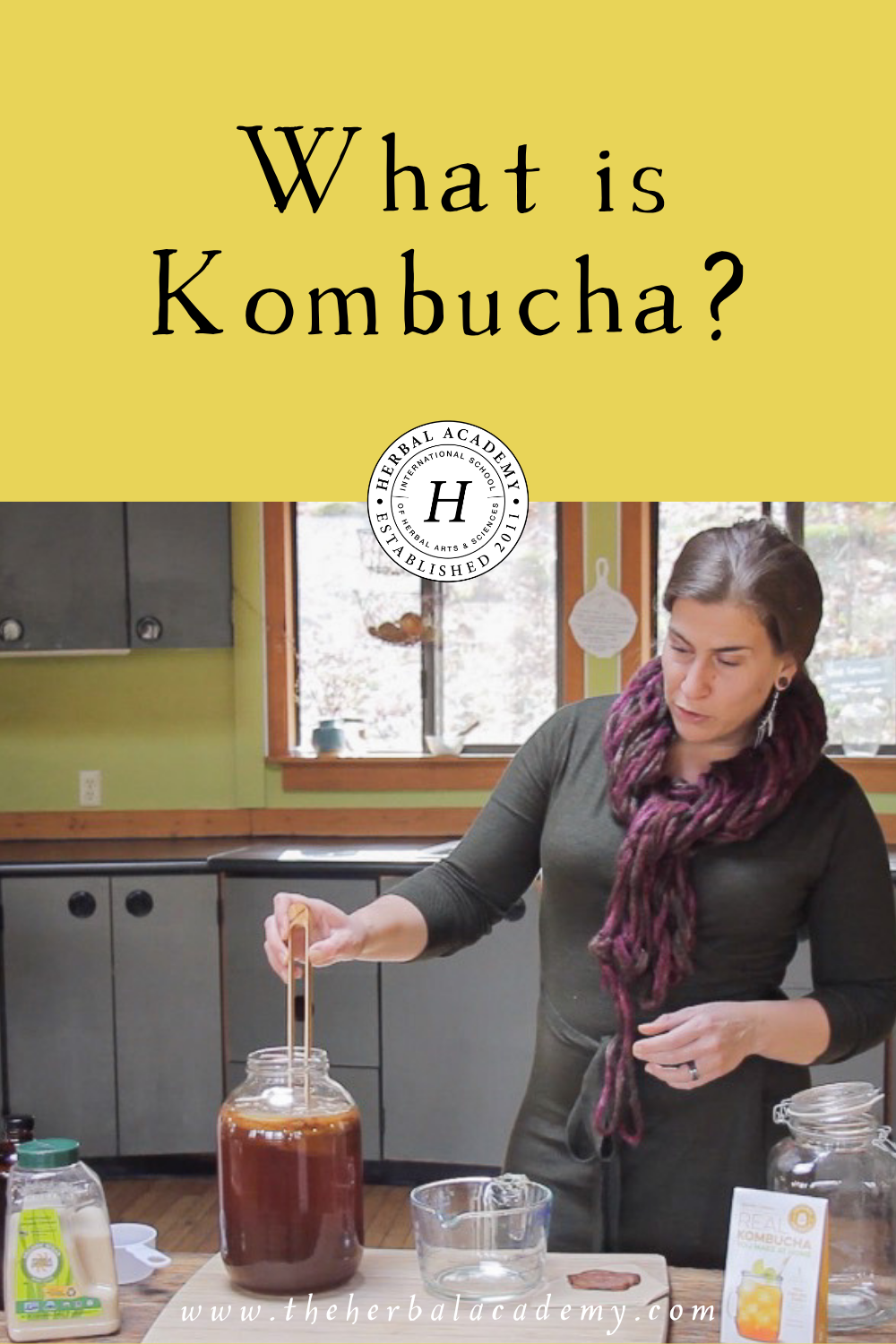
Our Social Media Manager, Sebrin Von Muellner, recently sat down with Herbal Academy teacher and clinical herbalist Shona Richter MacDougall, RH(AHG) to discuss the art of crafting your own herbal kombucha. Check out the video interview below and read on for a sneak peek into Unit 3, Lesson 1 of The Craft of Herbal Fermentation Course, where we share what kombucha is, where it came from, and how it can support your wellness.

What is Kombucha?
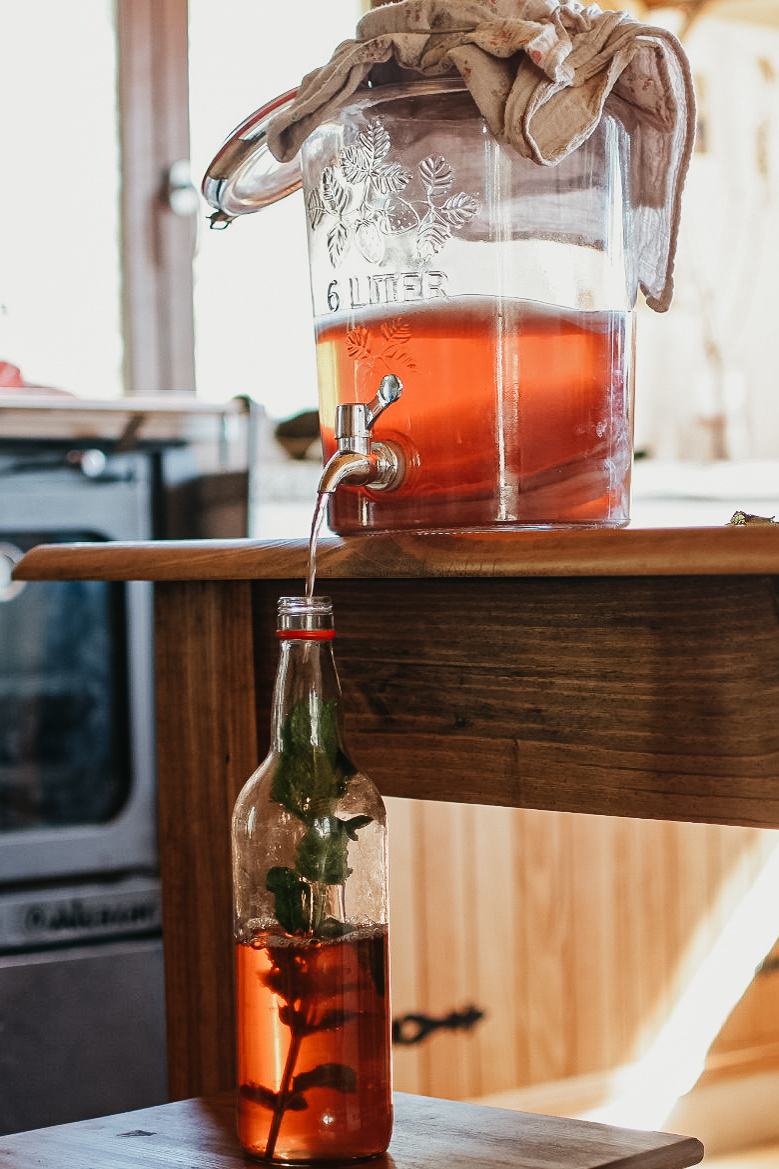
Simply put, kombucha (aka “booch”) is a fermented tea packed with nutrients. This living, probiotic-rich brew is typically made from sweetened black or green tea, a SCOBY (symbiotic culture of bacteria and yeasts), and a splash of starter tea. One of the most fascinating aspects of kombucha brewing is that the cultures of bacteria and yeast that are used to create these fermentations are living creatures.
The magic of kombucha brewing happens in two stages. First, the primary fermentation takes place over the course of 7 to 30 days. During this time, the SCOBY does the heavy lifting by transforming sweet tea into a vinegary, probiotic-rich base. The yeasts and bacteria work together to convert sugars into organic acids, vitamins, and beneficial compounds. This lowers the pH of the brew and creates an acidic environment, resulting in a tangy, effervescent drink with an impressive nutritional profile.
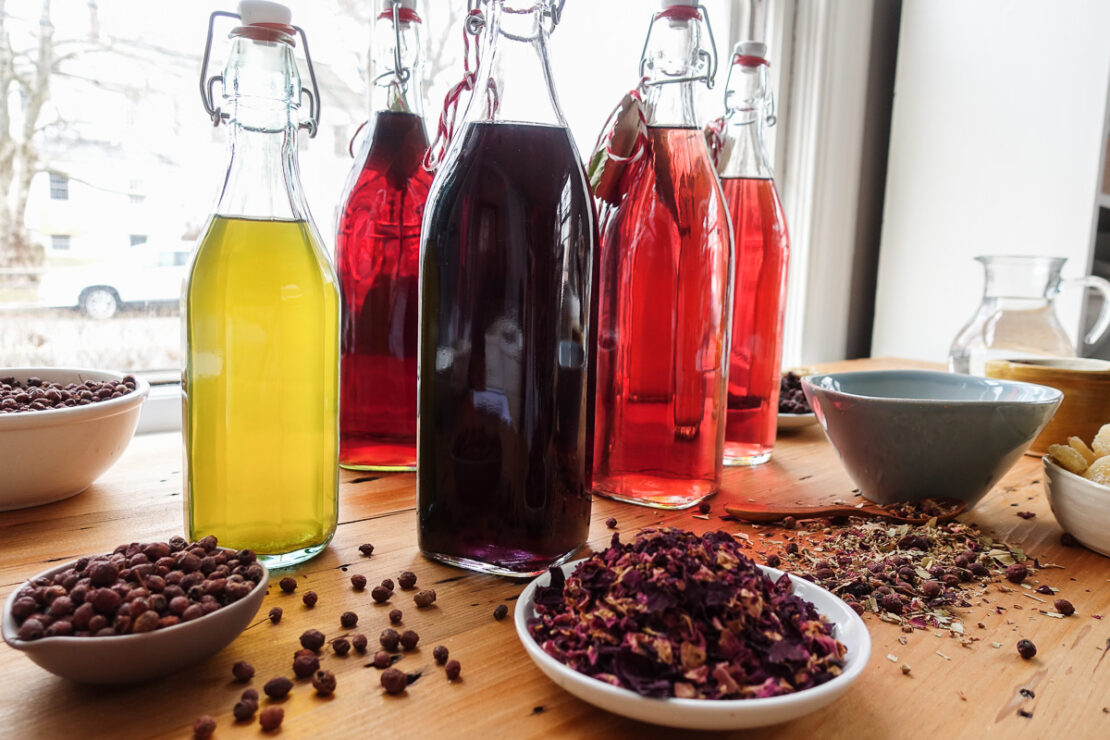
The second fermentation is where the real creativity begins, and this is where your knowledge as a herbalist comes in. Once the primary fermentation is complete and bottled, you have the opportunity to infuse the brew with herbs, fruit, and other ingredients that can deepen the flavor profile and expand the health benefits of your kombucha. It’s also during this stage that the carbonation develops, giving the finished brew that satisfying, refreshing fizz that we all love.
The History of Kombucha Brewing
As it turns out, the exact origins of kombucha are rather mysterious. The general belief is that kombucha, or “divine che” or “tea of immortality,” originated in China. It became especially popular during the Tsin Dynasty (ca 220 BCE) for its highly prized detoxifying and energizing properties (Dufresne & Farnworth, 2000).
Next, kombucha made its way to Japan around 414 BCE when a Chinese medicine practitioner named Kombu brought it there to cure the Japanese emperor’s digestive troubles. Fun fact: this drink is called “kombucha” in reference to Dr. Kombu (Dufresne & Farnworth, 2000; Jayabalan et al., 2014).
From the East, “tea kvass” was also introduced to Russia through traditional trade routes, making its way through Europe by the turn of the 20th century (Kaufmann, 2013). By the time word about the “Russian secret home remedy” reached North America, kombucha had already been deemed a panacea for every health problem under the sun.
Kombucha’s Health Benefits
Kombucha’s benefits are derived from an impressive list of ingredients, including beneficial bacteria, yeast, amino acids, vitamins, minerals, and other nutrients.
Depending on who you ask, there are many potential benefits to drinking kombucha. Traditional knowledge, cultural beliefs, personal experiences, and scientific research may reveal different truths regarding how it can nourish and support the body. During the early 19th century, Russian scientists began researching and confirming some of kombucha’s traditional health claims to include benefits such as:
- Supporting healthy digestion
- Soothing discomfort and occasional swelling
- Balancing blood sugar
- Supporting a balanced mood and sense of wellbeing
Kombucha’s benefits can vary slightly, depending on the chosen ingredients and fermentation process. When making your own brew, you have the opportunity to use herbs to add more nutrients.
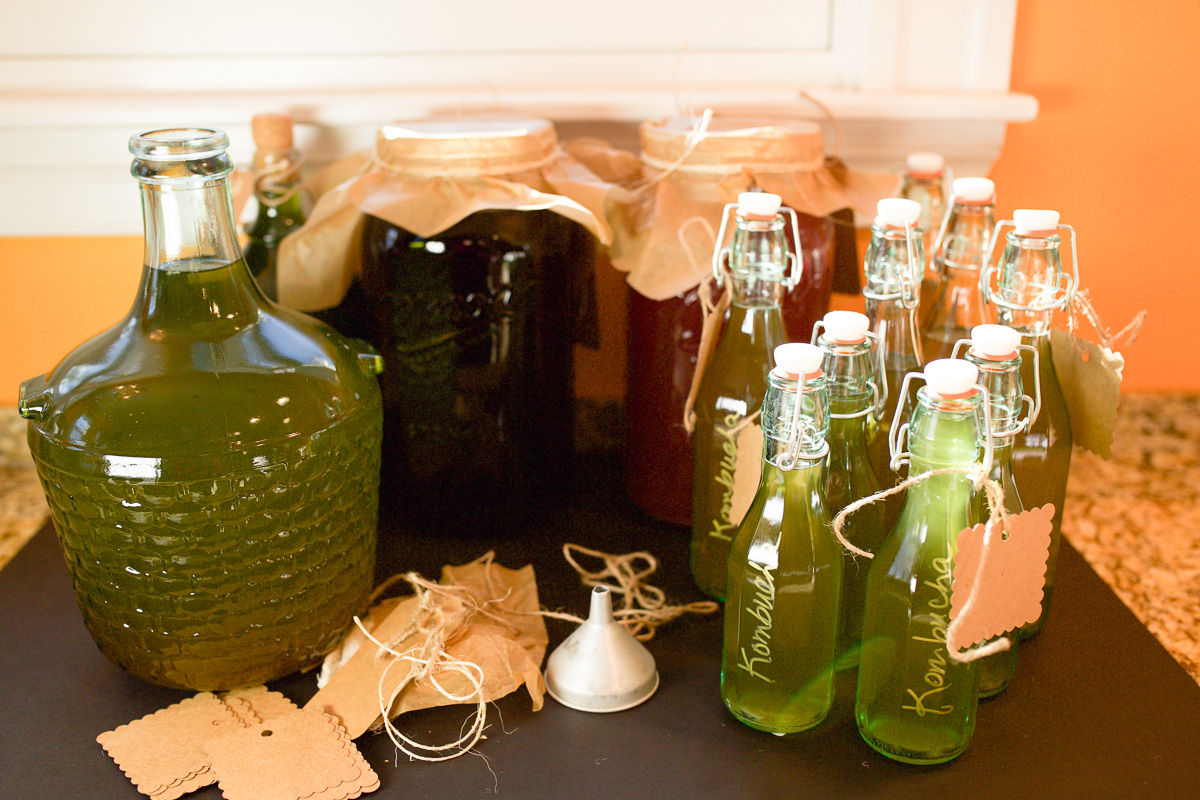
The Craft of Herbal Fermentation Course
Are you curious about incorporating herbs into kombucha or other fermented beverages? As a herbalist, your knowledge can take your brews to the next level with enhanced flavor profiles and herbal benefits. If you’re unsure of where to start, The Craft of Herbal Fermentation Course offers a unique opportunity to learn the art and science of herbal fermentation.
In this course, you’ll discover how to create herbal fermentations, including beer, mead, kombucha, water kefir, and lacto-fermented foods through both written instruction and video tutorials. The lessons are loaded with inspiration, new techniques, and considerations specific to the beauty and complexity that healthful herbs can bring to any fermentation process.
Click here to learn more.
REFERENCES
Dufresne, C. & Farnworth, E. (2000). Tea, kombucha, and health: A review. Food Research International, 33, 409-421. http://doi.org/10.1016/S0963-9969(00)00067-3
Kaufmann, K. (2013). Kombucha rediscovered! (2nd ed.). Books Alive.
Jayabalan, R., Malbaša, R.V., Lončar, E.S., Vitas, J.S., & Sathishkumar, M. (2014). A review on kombucha tea: Microbiology, composition, fermentation, beneficial effects, toxicity, and tea fungus. Comprehensive Reviews in Food Science and Food Safety, 13(4), 538-550. http://doi.org/10.1111/1541-4337.12073
About Post Author