Herbal Academy Student Feature: Ashley Ruiz (@herbal.ash)
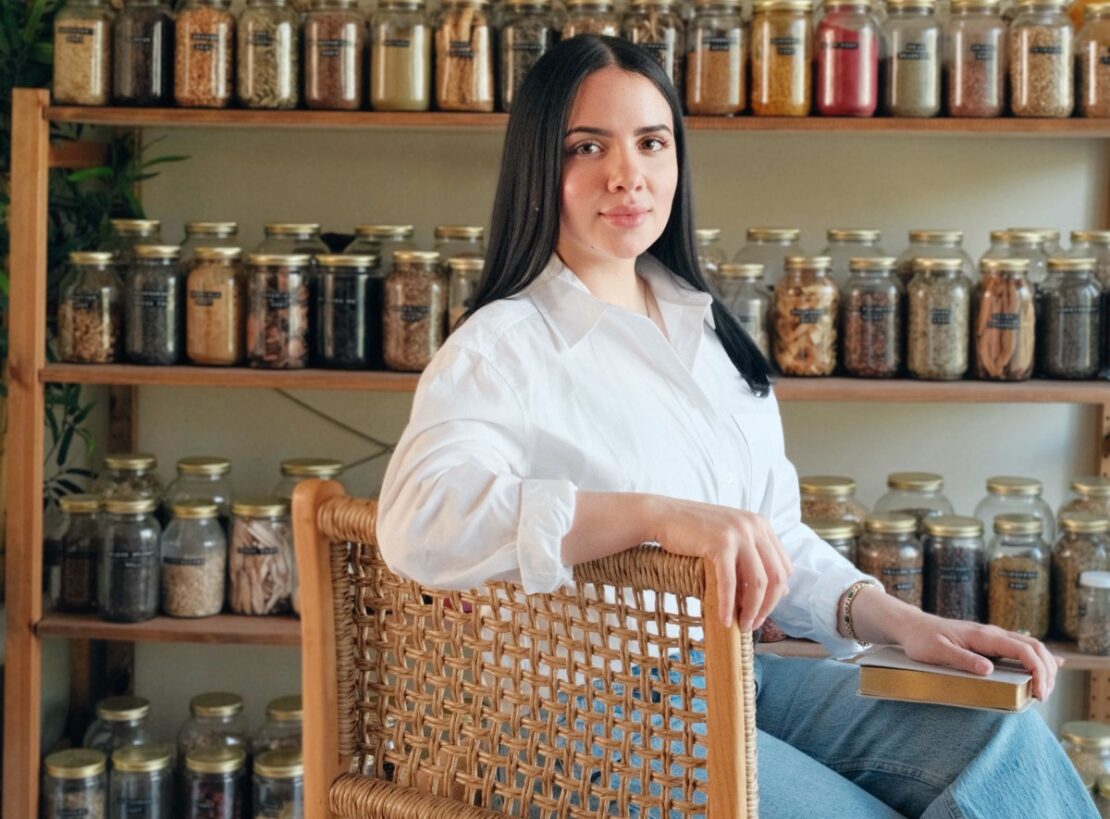
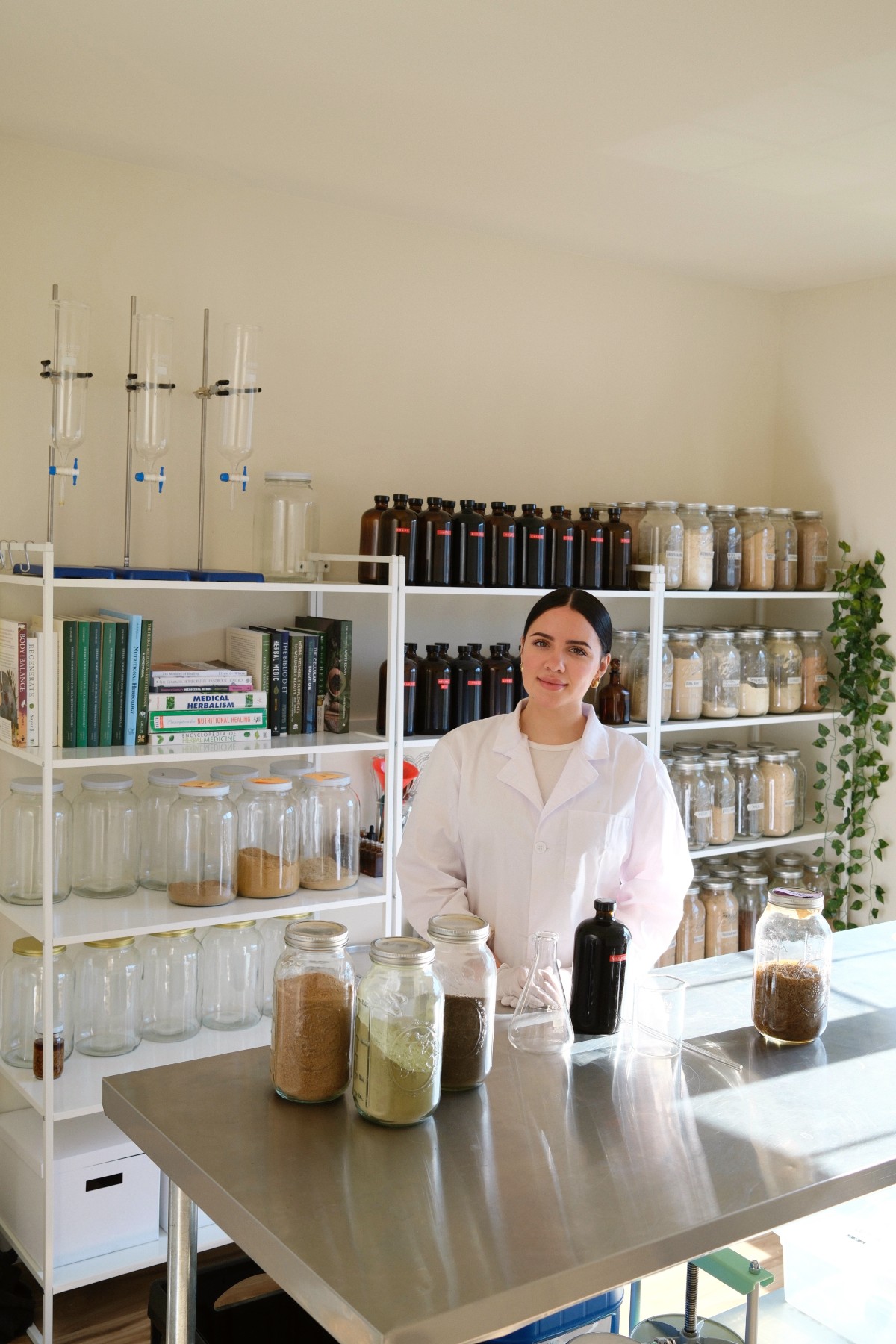
Ashley Ruiz (@herbal.ash) is the owner of Provherbs where she makes herbal products for stress management, hormone support, energy, mental clarity, and more. Ashley is a student of the Clinical Herbalist Path Package.
HA: Please tell us a little bit about yourself and how you started your path into herbalism.

Ashley: I actually didn’t grow up around herbalism. I grew up in a very conventional environment where nearly every symptom was met with a new prescription. I struggled with chronic health issues for a lot of my teenage years, from anxiety to migraines, and PCOS to gut dysbiosis. As my health continued to decline in my early 20s, the responses I got were always the same: more prescriptions and more dismissal. I did everything I was told to do, yet I was still exhausted and deeply disconnected from myself.
I didn’t discover herbalism because I was looking for an “alternative.” I found it because I was desperate to feel well again. I was actually studying biology, on track to attend medical school at the time, when I spontaneously signed up for an elective called “Medicinal Botany.” That’s when everything shifted. I learned about traditional plant medicine like Ayurveda and Chinese medicine and the actual science behind a plant’s defense systems as well as plant-derived drugs for various illnesses/ailments including cancer, arthritis, depression, and diabetes. I had to try it for myself. I saw a drastic improvement in my nervous system, my hormones, my digestion, and my mind. What began as an experiment on my personal health quickly became my passion, and eventually, my purpose.
That discovery completely changed the trajectory of my life, and I have been thoroughly studying and researching plants ever since. It became my mission to help others find the kind of hope and support I wish I had found sooner. That’s what led me to formal training, clinical herbal education, and ultimately the creation of Provherbs.
HA: Why did you choose to pursue your herbal education with the Herbal Academy?
Ashley: I chose the Herbal Academy because I wanted a program that was well-structured but also easy to understand. A lot of times, herbalism can feel really overwhelming and confusing, but the programs at the Herbal Academy struck the perfect balance. They’re organized in a way that actually builds real understanding of both our bodies and plants, and the connection between the two. It was the first program that made a career in herbalism feel genuinely achievable, which is exactly what I needed at that point in my journey.
HA: Do you own an herbal business or brand?
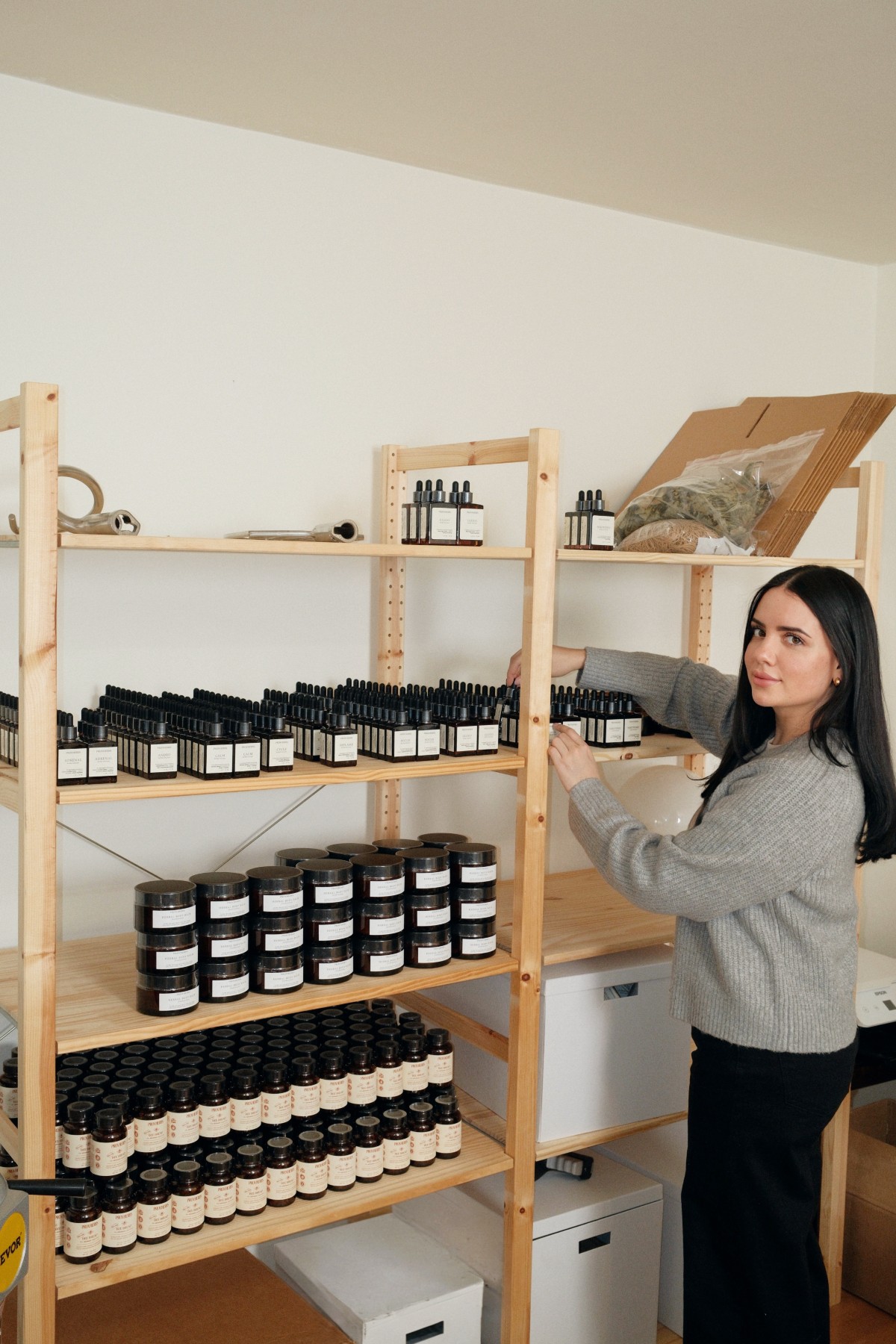
Ashley: Yes! I am the founder of Provherbs, which was born from a simple but foundational belief: God created plants with powerful properties that can nourish us, restore our health, and bring our bodies back into balance, and we shouldn’t alter that design or dilute it. We formulate all-natural, whole-plant products that preserve the full complexity and intelligence of the herbs, so people can experience natural health the way it was originally intended. Our brand is built on integrity, faith, and clinical results. We focus our formulas on the real life struggles that many people live with every day, like stress, hormonal imbalances, gut dysfunction, emotional burnout, and more. More than a company, Provherbs is a calling. We want people to remember that health is not a luxury. It is a blessing which God already provided so many of the tools for in nature. Our job is simply to teach people how to use those tools responsibly, consistently, and with hope.
HA: How did your Herbal Academy courses help shape or improve your business?
Ashley: The Herbal Academy helped me transition from being someone who loves herbs into being an actual herbal practitioner. I already knew a lot about herbs from studying biology in college, years of self-study, and my own hands-on research, but the Clinical Herbalist Path organized that knowledge in a way that truly strengthened my business. It made me slow down and think about energetics, interactions, contraindications, and how different systems of the body influence each other. That foundation has shaped every single formula I create at Provherbs. It also helped me move past the trend-driven “wellness” space and focus on the actual science and safety of herbs, and instilled a deep respect for the work I do. The courses also helped me communicate my work more confidently to my audience and my customers. Instead of simply saying “this helps with stress or hormones,” I learned how to confidently explain the mechanisms, the body systems involved, and the herbal actions behind the plant. It gave me language and the standards that ultimately made Provherbs not just a brand, but a trusted place which people come to for real wellness.
HA: Did your Herbal Academy courses help you avoid any potential mistakes while launching your business?
Ashley: When I first set out to build Provherbs, I had the passion and the experience, but I didn’t yet have the clinical framework to anticipate the kinds of mistakes herbal brands commonly make. Thankfully, the Herbal Academy was great at helping me to slow down in the best way. It taught me to approach formulations through a whole-body context, which helped me avoid some common mistakes like oversimplified blends, trendy formulas that don’t do what they promise, and marketing claims that ignore contraindications or interactions. It also taught me to respect dosage, extraction methods, and the integrity of the plant. Because I was taught to prioritize potency and pharmacology, Provherbs was built on clinical standards from day one, with little room for trial-and-error. I’m grateful for that, because it means our customers got herbal products that are thoughtful, responsible, and designed to support them long-term from the moment we launched.
HA: Tell us, what’s next for you in your herbal journey?
Ashley: Right now, I feel like I’m entering the part of my herbal journey where the focus is to build a community around it. Provherbs has grown because people have found real support from our products, but the next chapter is more relational and experiential. I plan to start hosting in-person community events as a space for people to learn together, heal together, and reconnect with God’s design for the body, because I’ve realized so many people are craving human connection as part of their health and wellness journey. I’m also leaning deeper into educational content. I want to spark real conversations about the future of herbal research, root-cause thinking, herbal protocols, and how to take stewardship of your health with herbalism. Herbalism is changing the health and wellness space. People are waking up to the fact that natural products are powerful. And it is becoming the path that more and more people are turning back to as they search for long-term, whole-body healing. I want Provherbs to be at the forefront of that movement.
Beyond that, I’m continuing to expand our formulas based on the real needs I see in our customers. My prayer is that as I grow, God uses me to help more and more people step into their healthiest selves.
HA: What were you looking for when you enrolled in your Herbal Academy course that you were not able to find elsewhere?
Ashley: When I enrolled in the Herbal Academy, I wasn’t looking for surface-level information. I wanted REAL herbalism. I wanted a place that respected the plants and could simplify clinical depth, energetics, anatomy, safety, and formulation principles that were rooted in history but also supported by evidence. I also appreciated that it didn’t try to rush me into the role of “expert.” It encouraged observation, humility, responsibility, and stewardship. That was something I couldn’t easily find anywhere else. It felt like studying with people who cared deeply about both humans and plants, and also about the relationship between humans and plants. Ethics and integrity are important morals for me, and I found just that in the Herbal Academy.
HA: What did you like most about your Herbal Academy course?
Ashley: What I liked most about my Herbal Academy course was how immersive the entire learning experience was. It wasn’t just reading long pages of text. There were videos, recipes, downloadable resources, and hands-on guides that helped me actually apply what I was learning. All of the lessons were also surprisingly thorough. In the clinical track, I really loved how the modules explored different systems like the endocrine, reproductive, and cardiovascular systems. That approach helped me see herbalism more holistically. Also, the self-paced structure really mattered to me because I was building my business at the same time, and the ability to learn without being rushed made a huge difference. Overall, the course didn’t just give me information. It changed how I think, formulate, and communicate as an herbalist.

HA: If you were to recommend an Herbal Academy course to your best friend, what would you say?
Ashley: I’d tell her that this isn’t just an herbal program. Yes, it gives you structure, but it also gives you real knowledge, and the confidence to actually use herbs with intention, not just curiosity. You’ll learn how herbs work in the body, how to choose the right ones for the right situations, and how to do it safely. And the best part is you don’t have to show up knowing everything. The courses walk with you, step by step, until you realize you’ve become the person other people come to for help. It’s empowering, it’s practical, and it reminds you that herbalism isn’t mysterious or exclusive. It’s something you can learn and use for the rest of your life.
HA: How has your herbal education deepened your connection with your personal health and well-being?
Ashley: Before studying herbalism, I approached symptoms the way most people do. I’d look for what would “fix” the discomfort in front of me. The deeper I got into my studies, the more I started to understand patterns, root causes, and the language of the nervous system, the gut, the hormones, and the skin.
Herbalism taught me that my body isn’t something to silence or give up on. It’s something to listen to and understand. When I began thinking in terms of energetics, constitution, and whole-body systems instead of isolated issues, my relationship with my own health became more compassionate and patient. And on a spiritual level, it made me feel more connected to God’s design. It reminded me that sickness isn’t necessarily a punishment or a mystery. It is an imbalance. The body is constantly trying to move back toward wholeness, and plants were created as tools to support that process. Herbal education didn’t just give me knowledge, it truly gave me a sense of stewardship over my own well-being, and a deeper appreciation for the intelligence that God placed in both the human body and the earth.
HA: If there is a specific herb that you feel particularly drawn to? If so, why do you think that is OR what is it about that plant that fascinates you?
Ashley: I am deeply drawn to saffron and frankincense. Saffron is fascinating because it’s been shown in clinical studies to support the nervous system and mood disorders in a very real, measurable way. But my connection to it is personal. I struggled with anxiety for many years, so when I began working with saffron herbally, I experienced life-changing support. There’s just something about a plant so delicate that even a few threads can shift your mood. That is so powerful. It reminds me that real health doesn’t have to be loud or forceful. It can be gentle and still change everything.
Frankincense, on the other hand, draws me in for completely different reasons. What captivates me most is how it bridges the physical and the spiritual. It was historically documented as one of the gifts presented to Jesus at His birth, which speaks to its value, its sanctity, and the reverence it has carried across time. I learned that its aroma has beneficial properties that can stimulate the limbic system, which is the part of the brain that governs emotion, memory, and stillness. It’s wonderful for practicing centeredness, clarity, and reverence. When I work with frankincense, I feel its ancient history. It’s been part of prayer, rituals, and healing for thousands of years. It reminds me that medicine can be so many things… holy, ancient, grounded, and deeply respectful of the body and the spirit at the same time.
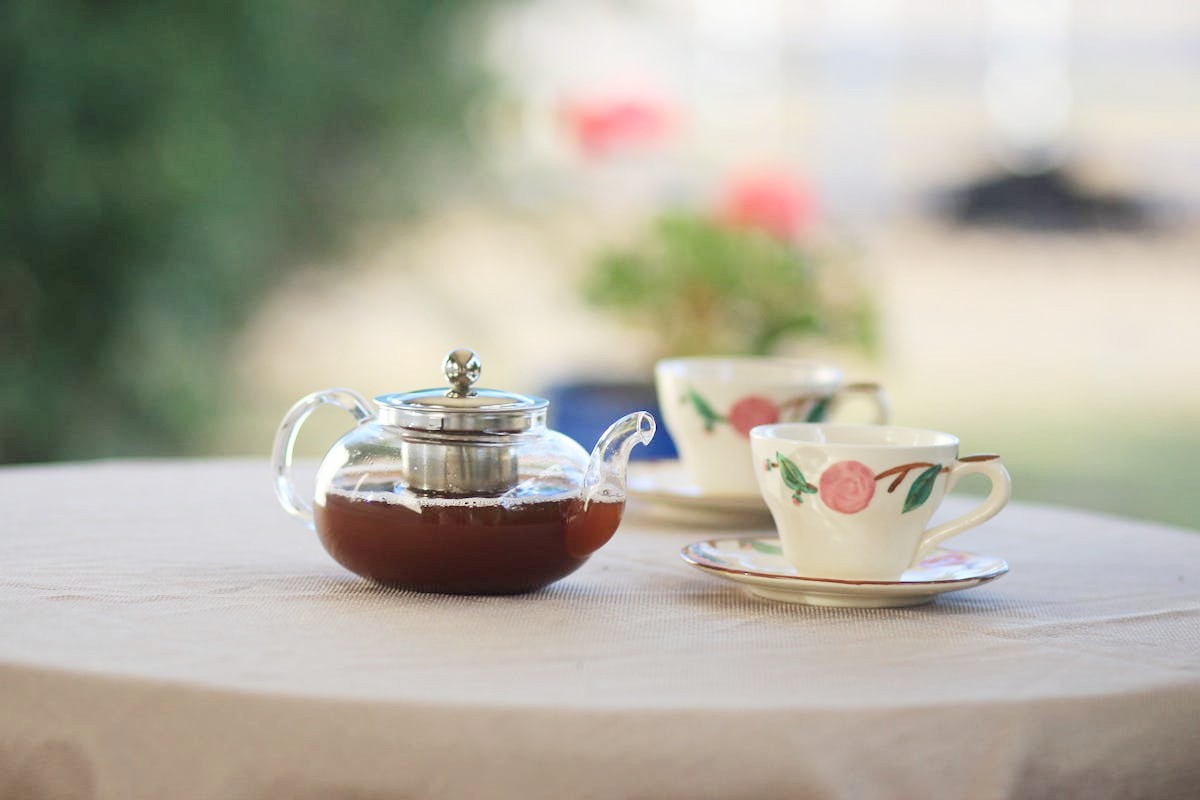
HA: Do you have any rituals or traditions surrounding herbalism that you would like to share? These can be long-standing traditions or new ones that you’ve integrated into your life since taking our course.
Ashley: I have a daily ritual that has become a cornerstone of my spiritual life. Every morning, before I start working, I sit quietly with God. I take my herbs, and I thank Him not just for the herbs, but for the fact that He guided me to this path. I thank Him for trusting me with this knowledge, for allowing me to help others find health, and for using my herbal practice to bring people closer to Him. Herbalism has become a way for me to minister through health. It reminds me that wellness isn’t just about the body. It’s also about obedience, stewardship, and honoring the vessel He gave us. In that quiet moment every day, I ask Him to use my hands, my voice, and my formulas for His glory, to serve the people who are hurting and need healing.
HA: What is the biggest way that herbalism has brightened your life?
Ashley: The biggest way herbalism has brightened my life is that it restored meaning to the ordinary parts of my day. It gave purpose to the foods I choose, the way I rest, and the way I engage with the people around me. Instead of seeing my body as something to manage, I began to see it as something to care for through my daily habits and choices. Herbalism is truly so much more than just herbs.
HA: Has anything about herbalism – or your herbalism practice – been a pleasant surprise?
Ashley: One of the biggest pleasant surprises has been seeing how many people are hungry for this knowledge. When I first started sharing herbalism, I thought only a small niche of people would care. But the moment I started explaining plants in a simple, relatable way, thousands of people began asking “How can I learn herbalism?” or “Where can we learn more about this?” I always suggest the Herbal Academy, of course, but it also just reminded me that herbalism isn’t just a skill or a business. It’s a way to truly help people, and that mission has opened more doors and connections than I ever expected.
HA: What is the biggest challenge you face in your personal or clinical herbal practice?
Ashley: The biggest challenge I face in my herbal practice is the emotional and mental conditioning people bring into their health journey. Many of us were raised in a system that treats symptoms like problems to silence instead of messages to understand. So when people come to herbalism, they often expect herbs to act like pharmaceuticals (take it once, feel something immediately), and if you don’t, then it must not work. But herbalism requires the fruit of patience and consistency.
What makes it even more challenging is that their symptoms are rarely just physical. They’re carrying years of frustration, fear, and disappointment from being dismissed by doctors or told “everything is normal” when they know it’s not. They feel betrayed by their bodies. So often, I’m not just giving someone a formula, I’m helping them relearn how to trust their body, slow down, listen, and rebuild their relationship with themselves. That dual work of educating them about the nature of herbal health while holding the emotional weight of their lived experience is incredibly meaningful, but it is also the most challenging part of my practice.
HA: How has herbalism sparked your creativity?
Ashley: Herbalism completely changed how I show up creatively. It gave me something meaningful to talk about. Instead of just posting on social media, I started teaching and explaining herbalism in a way that anyone could understand, sharing how they work in the body, and helping people connect their symptoms to real solutions. I wasn’t trying to build an audience at first. I just genuinely wanted people to learn and heal.
That creativity and authenticity turned into an online community. By sharing what I know, I’ve grown to over 800,000 followers across platforms. People started sending messages saying my videos helped them sleep, eased their anxiety, or gave them hope when nothing else worked. That is what keeps me creative. Every herb has a purpose and a way it can help someone in their daily life. Herbalism sparked a kind of creativity driven by service to my community.
HA: If you could provide any tip or encouragement to those just starting their herbal studies, what would it be?
Ashley: If you’re just starting out in your herbal studies, give yourself permission to slow down and be patient with yourself. Herbalism isn’t something you memorize and master overnight. Take time to really learn the plants the way you would learn a person… their personalities, their strengths, their limits, how they’re gentle, and how they’re firm. Pay attention not just to what an herb can be used for, but how it actually works in the body, and even how your own body responds to it.
And please remember this. You don’t need to know everything to get started. God placed medicine in creation long before anyone offered courses or certifications on it. You’re not stepping into something foreign. You’re reconnecting with something deeply human. Stay curious and trust that the knowledge will unfold exactly when you’re ready for it.
Read past student interviews with:
Haille Olimb(@theherbalistsassistant) – Herbalist, business owner; graduate of the Clinical Herbalist Path Package
Amber Benge (@gracewalkfarm) – Gardener, homesteader, and graduate of The Foraging Course
Grace Jones (@gunkinthewoods) – Maker of herbal products, director of the neighborhood kids garden club, and graduate of the Advanced Herbal Course.
Natalya King (@bodylovebytal) – Maker of herbal skincare products and graduate of Tincture Making 101 Course
Jess Bergeron (@jkb.journal) – Home herbalist and graduate of Mastering Herbal Formulation Course
Dave Achula (@achula_) – Invites individuals to explore the healing power of nature, directly in nature; graduate of Intermediate Herbal Course
Dagny Kream (@thecottagepeach) – Slow-living inspiration: recipes, gardening, seasonal crafts, traditional skills, and more; graduate of the Botanical Skin Care Course
Laura Rubin (@nurtureforall) – Empowers others to live more joyfully through the amazing power of herbs, helping them to reconnect with their body and the Earth; graduate of the Herbal Business Course
About Post Author