5 Herbs for Digestive Health When Traveling Abroad
Travel can be a remarkable way to expand one’s perspective and to shake off some of the heaviness of daily routines and responsibilities. Spending time in a foreign country is an unrivaled opportunity to try novel cuisines, see new scenery, and experience the language and customs of other cultures. However, along with the wonders of exploration and adventure, travel—especially off of one’s home continent—can throw off the natural rhythms of the body. Sleep troubles and digestive woes are common plights amongst travelers. Constipation, diarrhea, and general indigestion can all seriously detract from the enjoyment of faraway voyages. In order to help keep your focus on the fun of your journey rather than the trials of a derailed digestive system, here are five herbs to support digestive health.
5 Herbs for Digestive Health When Traveling Abroad
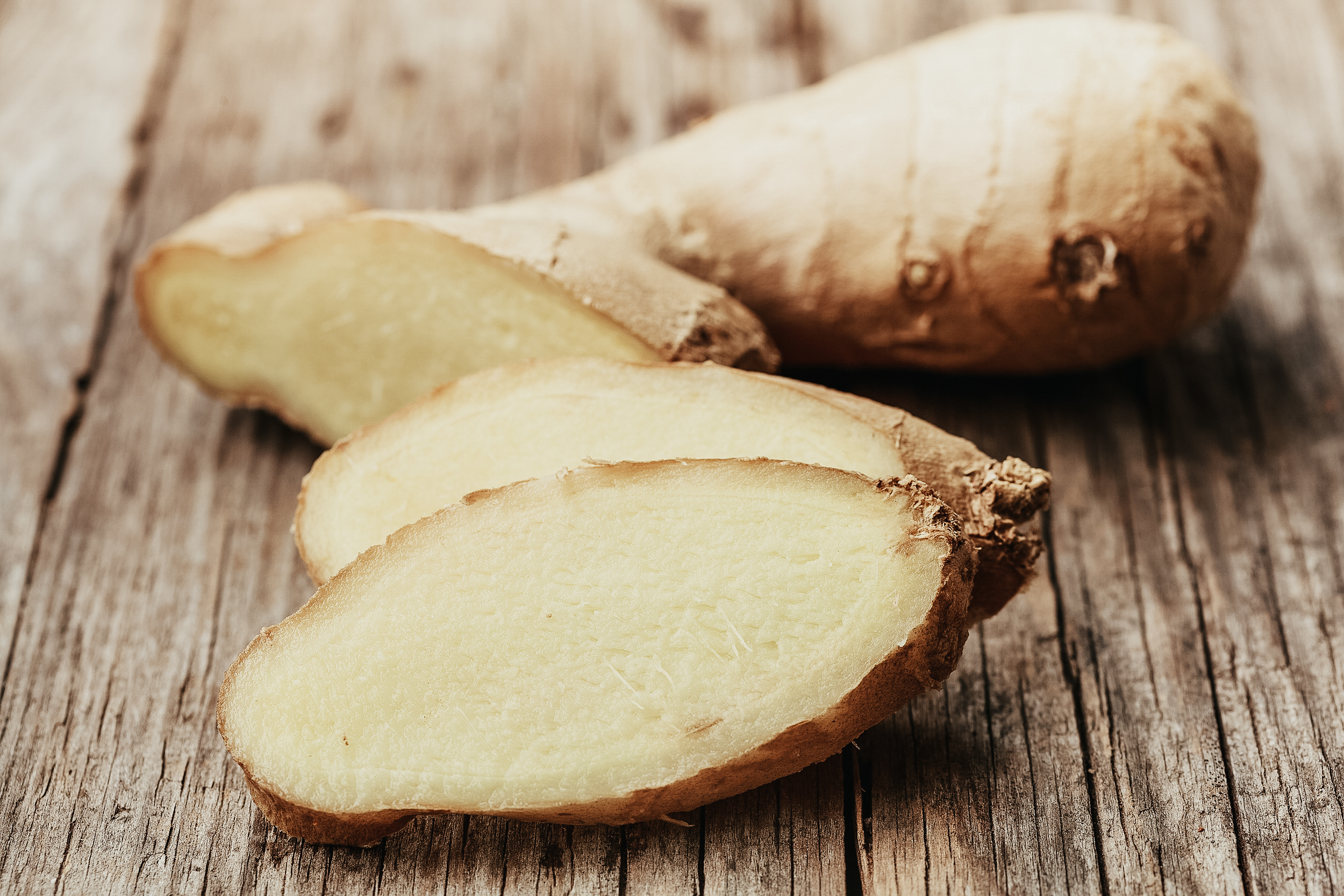
Ginger (Zingiber officinale) rhizome
Ginger is one of those “if you were stranded on a desert island” herbs. Widespread and effective in its applications, this tasty, spicy cooking herb has much to offer, and due to its diverse usages, is an excellent herb to keep close while traveling. In fact, inAyurveda, ginger is known as vishwabhesaj, meaning “universal medicine” due to its many functions (Dass, 2013). Ginger is well-known for its ability to calm nausea, boost digestive power, ease inflammation, promote sweating, and calm cold and flu symptoms.
If you can obtain fresh ginger when traveling, a simple ginger infusion with the fresh-grated rhizome is a great way to start your morning or to wind down in the evening. This fresh infusion will stimulate digestive secretions and calm gas and bloating. However, if your digestion is particularly sluggish, you may want to opt for dried ginger (which can also be infused in hot water), as dried ginger is more stimulating and warming than the fresh rhizome (Pole, 2013). Or, for travel ease, you can pack ginger with you in capsule, tincture, or tea-bag form.
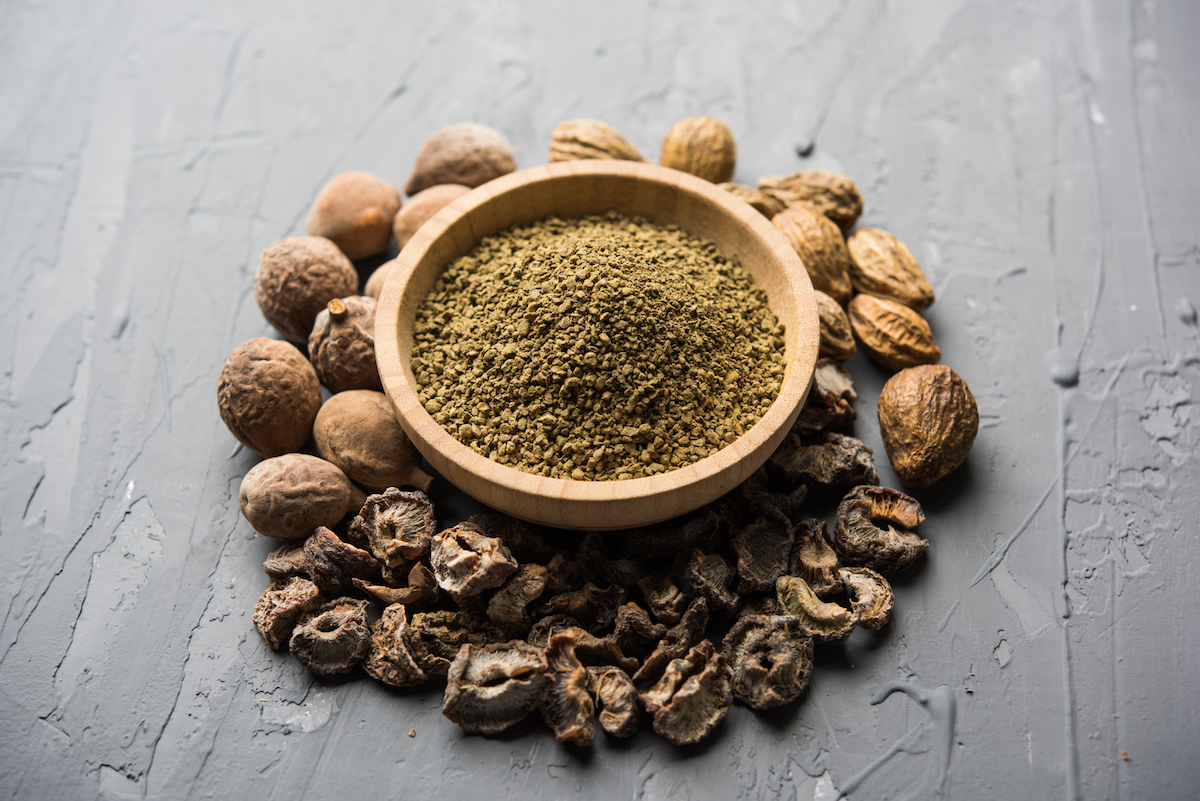
Triphala
This time-tested and much revered ayurvedic formula is a combination of three herbs: haritaki (Terminalia chebula) fruit, amalaki (Emblica officinalis) fruit, and bibhitaki (Terminalia belerica) fruit. Each of these individual herbs carries distinctive benefits, and when combined, form a classic digestive formula that regulates and tonifies the bowels while providing deep cleansing and rejuvenation for the whole body, but especially the digestive tract (Dass, 2013). Infuse a half teaspoon of triphala powder into hot water and drink an hour or so before bedtime. This will help support a healthy bowel movement in the morning. The dosage can be increased to bowel tolerance, as triphala is generally considered quite safe and gentle.
Triphala has a remarkably bitter and astringent taste. Some get used to the taste, but if you find taking triphala as an infusion intolerable, capsules and tablets are another effective option. This may also be more convenient for travel. Take 1-3 grams daily with warm water (Dass 2013). The evening (away from food) is considered the best time to take triphala. However, it can also be taken in the morning before breakfast to support regular bowel movements and overall digestive health.
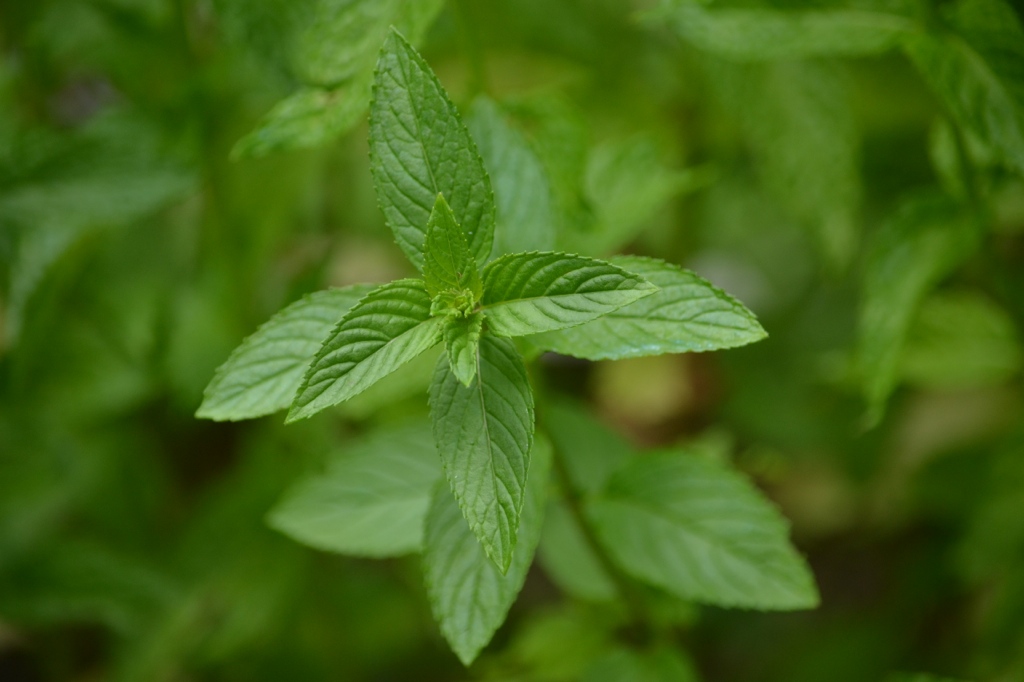
Peppermint (Mentha x piperita) leaf
Like ginger and triphala, peppermint is another broad-spectrum herb for supporting digestive health. It is used to calm excess gas, soothe general indigestion, and ease nausea. This delightful aromatic leaf contains menthol, which serves as an antispasmodic, making peppermint an effective and soothing carminative. Peppermint also increases bile production, thus assisting the function of the digestive system in multiple ways (Groves, 2016; Mills & Bone, 2000).
For ease of travel, you can take peppermint oil capsules or pack peppermint tea bags. Though peppermint soothes gas and bloating, it can aggravate acid reflux, and if taken as an oil internally, it should be used in very small doses and only in the form of coated capsules since peppermint oil can burn the skin and mucous membranes (Groves, 2016).
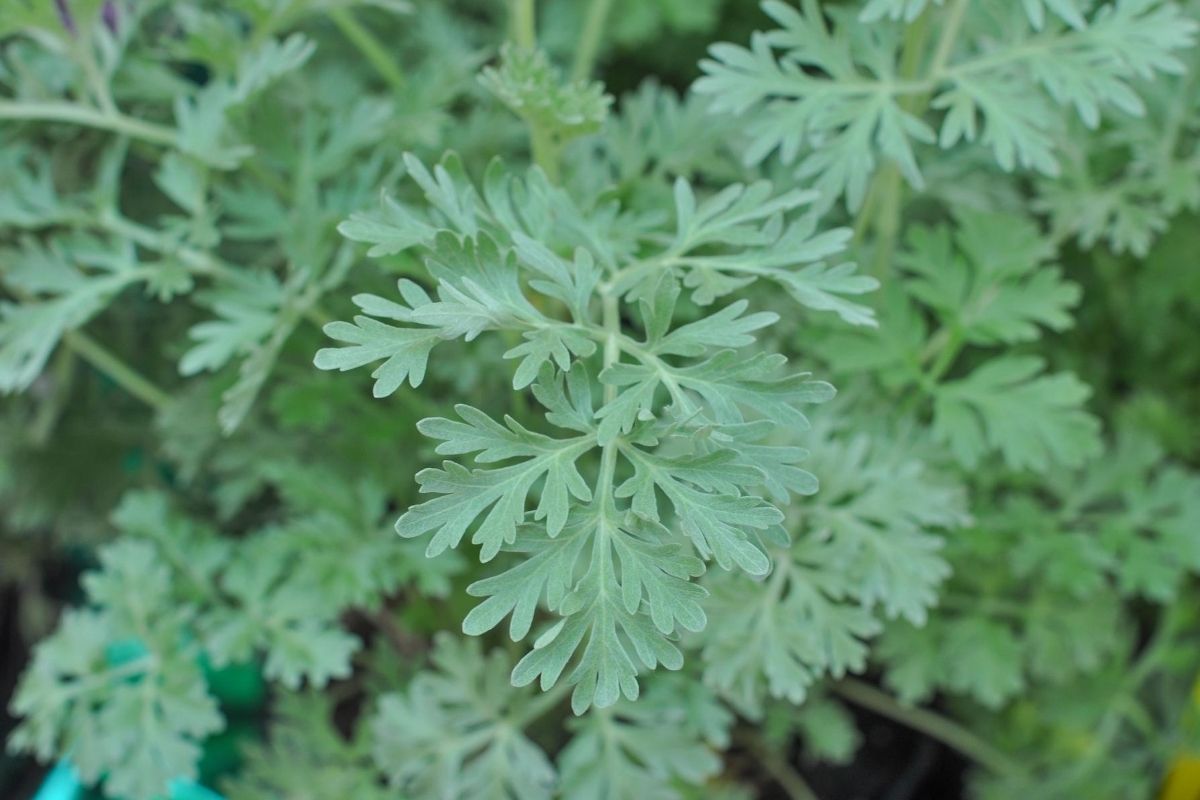
Wormwood (Artemisia absinthium) aerial parts
Exposure to unfamiliar bacteria and parasites, along with the challenges of eating unfamiliar foods, can be a major cause for stomach upset while traveling abroad. Aptly named, wormwood has been used traditionally to rid the body of worms (Bostock & Riley, 1855), as well as to ease headaches and constipation, stimulate the appetite, and calm excess gas. Taken as a tincture, wormwood is a potent bitter that can help stimulate digestive function by supporting the liver and gallbladder, and may help balance gut flora (Mills & Bone, 2000).
Both times that I went to India, I took a dropperful of wormwood tincture daily. I believe that practice, along with frequent hand-washing, eating only cooked foods, drinking filtered water, as well as taking probiotics and triphala for overall gut health, kept my digestive system happy and healthy throughout both the monthlong visits to India. (Note that wormwood should not be taken at high doses or for extended periods of time.)
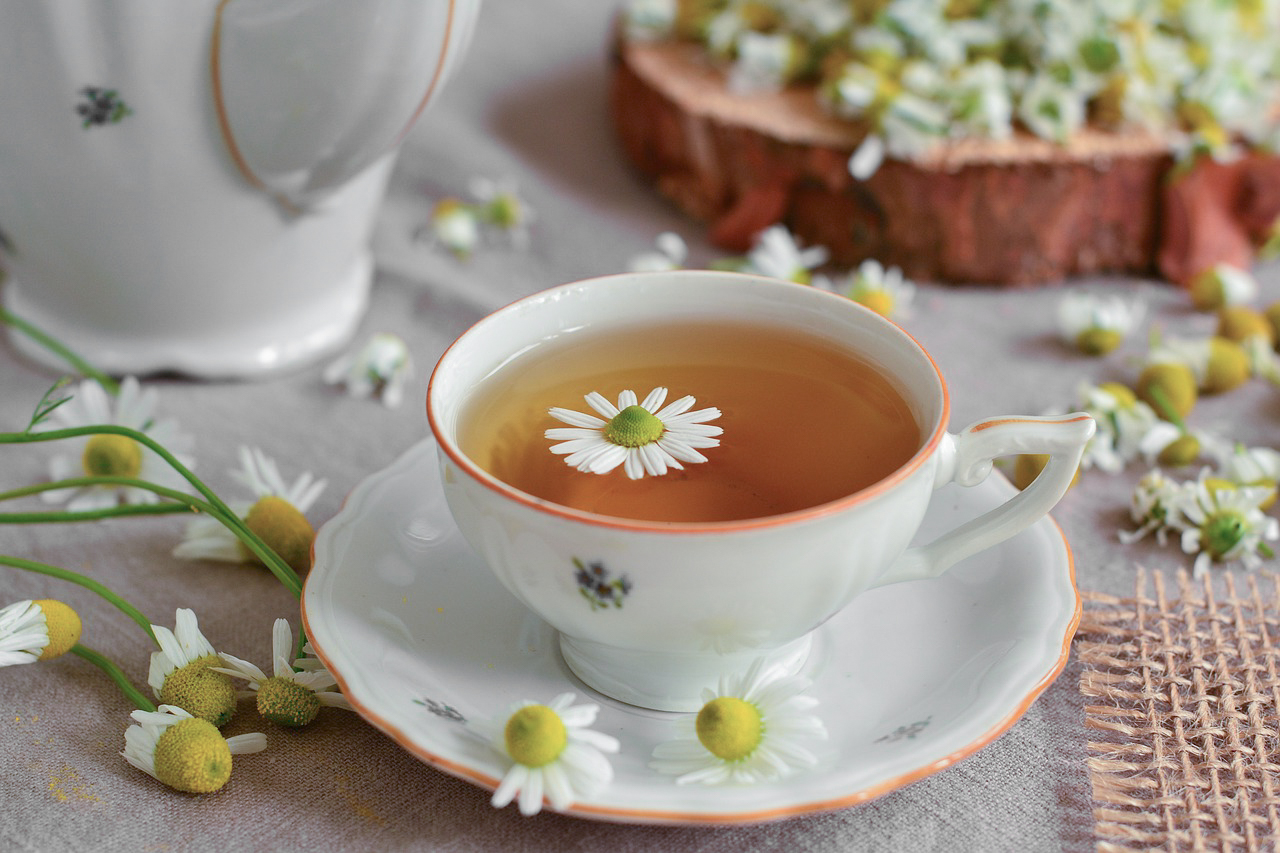
Chamomile (Matricaria chamomilla) flower
Known as a soothing bedtime tea, never underestimate the power of this calming, gentle yet potent flower. Chamomile doubles as a digestive and sleep aid, and is one of the safest herbs, even for children, making it an ideal one to pack for journeys near and far. Chamomile has demonstrated efficacy for its anti-inflammatory, antimicrobial, antispasmodic, and antiulcer properties (Mills & Bone, 2000). A gentle bitter, chamomile stimulates the digestive process and its carminative action eases gas and bloating, so is a nice tea before or after dinner.
To get the full effects, take this herb as an extract or strong infusion. However, even a couple of bags of good-quality chamomile tea in the evening can relax the nerves and a troubled tummy, and thereby help the weary traveler rest more easily.
In Closing,
Consider which herbs may be most useful to you, and the next time you pick up your passport, perhaps pack along two or three of these herbal supports. All of these herbs are easy enough to travel with, and depending on where you go, many can be obtained abroad. Also, if you are traveling with others, you may not need any extra herbal support, but perhaps your travel buddies will—and they will certainly appreciate your preparedness! Here’s to enjoying healthy digestion—wherever the winds may take you!
REFERENCES
Bostock, J., & Riley, H.T. (Eds.) (1855). Pliny the Elder: The natural history, Book XXVII. Taylor and Francis. http://www.perseus.tufts.edu/hopper/text?doc=Perseus%3Atext%3A1999.02.0137%3Abook%3D27%3Achapter%3D28
Dass, V. (2013). Ayurvedic herbology: East & West. Lotus Press.
Groves, M.N. (2016). Body into balance: An herbal guide to holistic self-care. Storey Publishing.
Mills, S. & Bone, K. (2000). Principles and practice of phytotherapy: Modern herbal medicine. Churchill Livingstone.
Pole, S. (2013). Ayurvedic medicine: The principles of traditional practice. Singing Dragon.
About Post Author