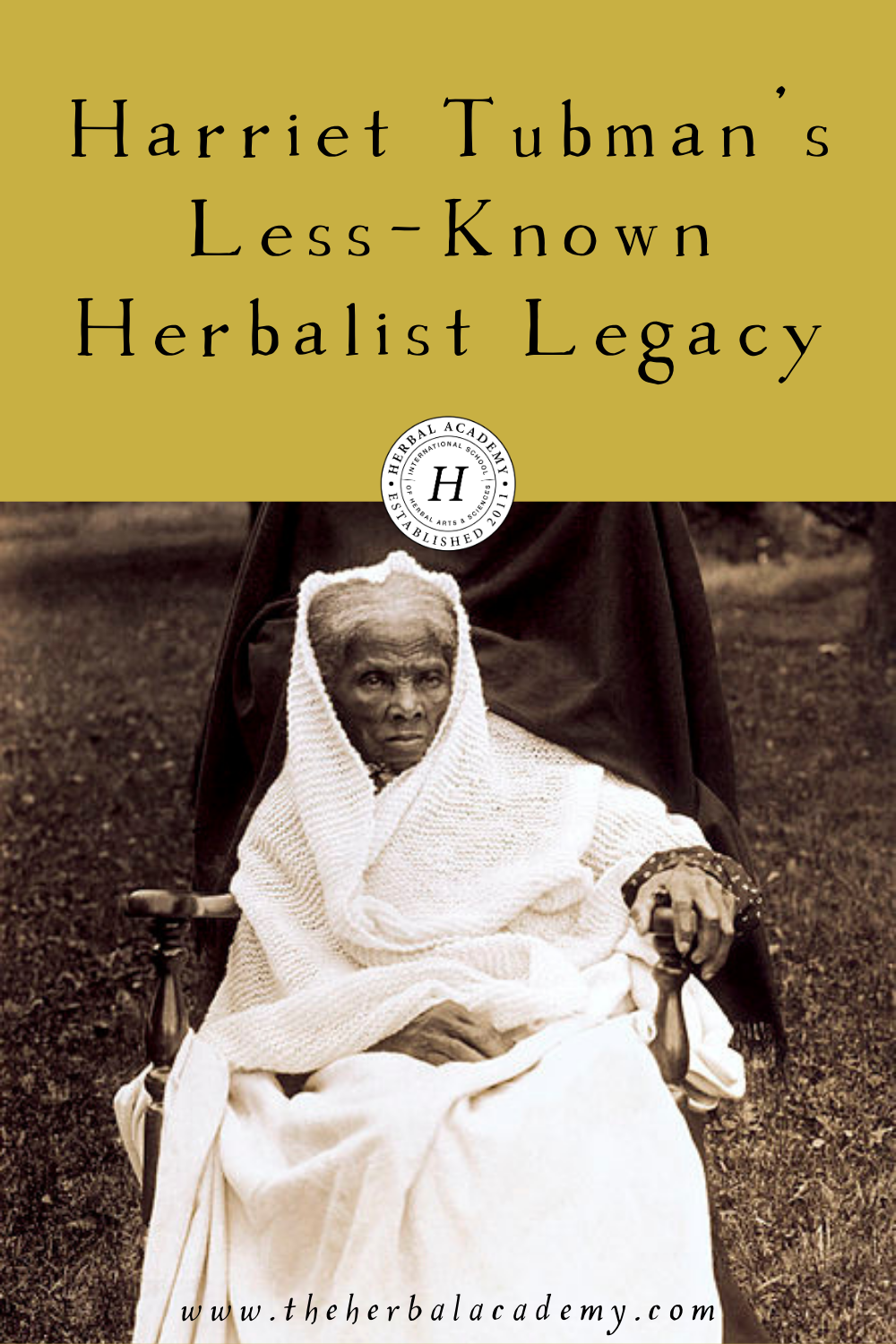
Harriet Tubman’s Less-Known Herbalist Legacy
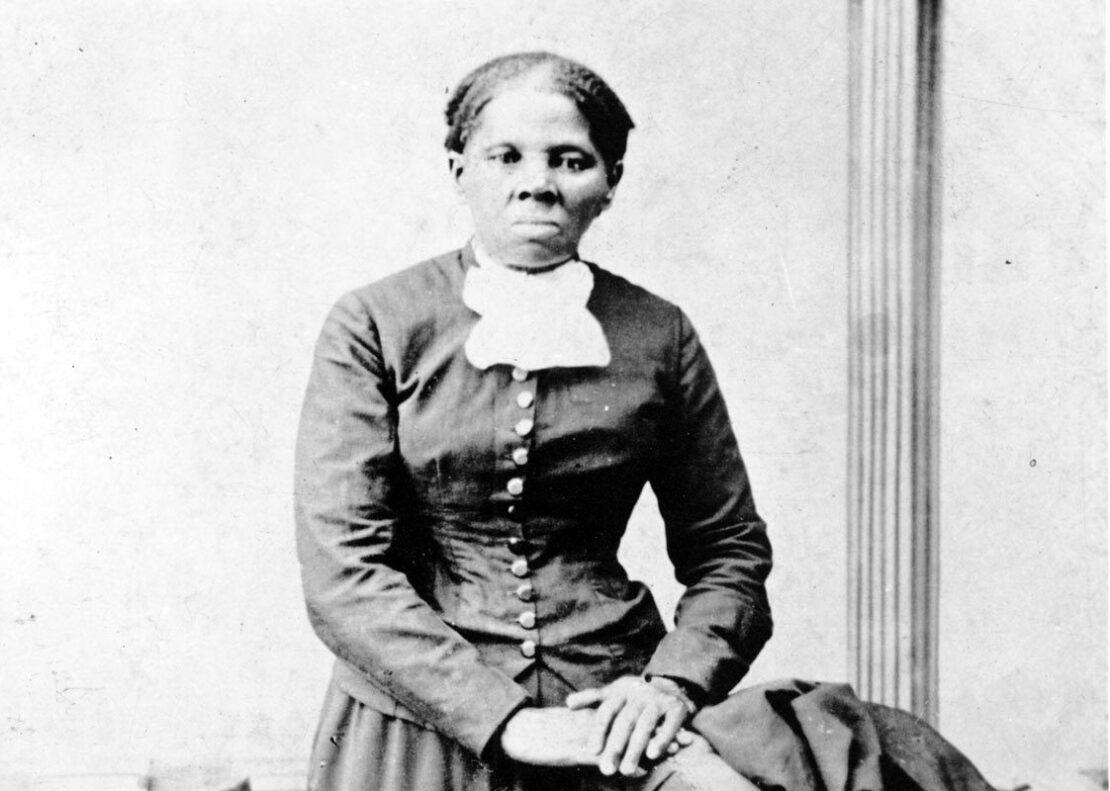
Harriet Tubman is well known as an advocate for freeing enslaved people in America after she made her own escape from slavery in 1849. But how many of you knew that Harriet Tubman was also a skilled herbalist, forager, cook, and keeper of plant wisdom? Today, on March 10, Harriet Tubman Day and the day of her death, we honor both her courage and her incredible knowledge of plants. Her (often unsung) deep understanding of the natural world helped countless people find freedom, and her botanical survival tools contributed to making her many perilous journeys a success.
praise the girl who watched the comet and knew
praise the girl who tracked the north star and knew
praise the girl who studied herself and knew one thing:sky is a map

*Poem excerpt from “dark energy / for Harriet Tubman” by Alexis Pauline Gumbs. (Ms. Editors, 2023)
Harriet Tubman’s 6 Less-Known Herbal Legacies
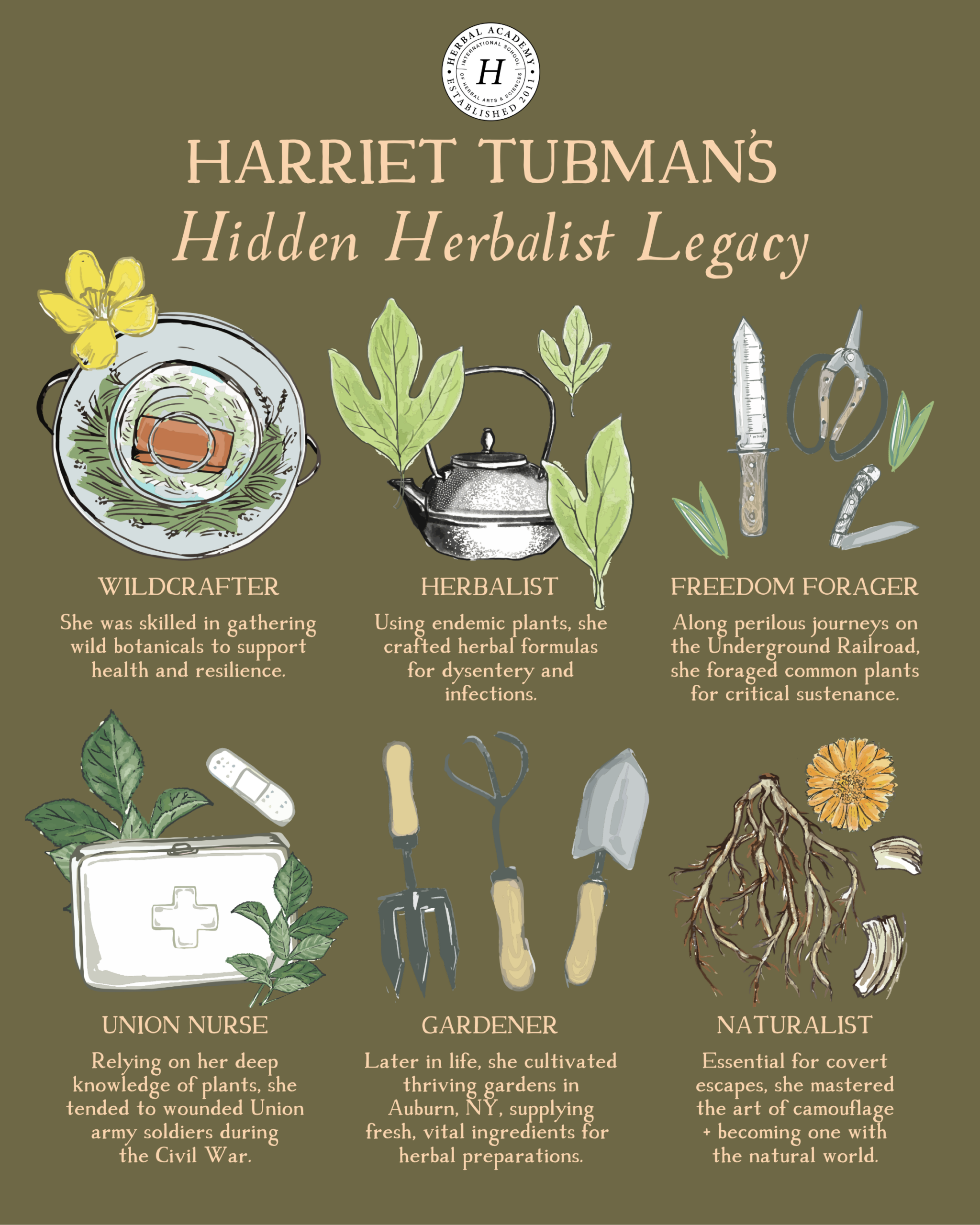
Wildcrafter
Tubman used her foraging skills to provide food and herbs to ease ailments during her dangerous passages. Sassafras (Sassafras albidum), black cherry (Prunus serotina), and paw-paw (Asimina triloba) were among the wild botanicals she was said to have relied on (Martyris, 2016). Sassafras provides flavoring for teas and soups, black cherry offers nourishing fruit for energy, and paw-paw gives vital nutrients for strength. Harriet Tubman was skilled in gathering wild botanicals to support health and resilience.
Herbalist
Enslaved peoples were often not allowed medical care and became experts at relying on the plants growing outside their door. Historical records show Harriet used opium poppy (Papaver somniferum) tincture to quiet babies, ensuring the safety of her passengers on their secret escapes. Using endemic and abundant wild plants, she crafted herbal formulas for dysentery and infections. Tubman also ingeniously scattered 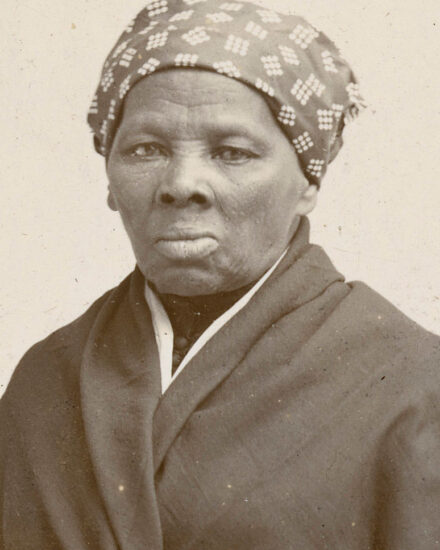 crushed cayenne peppers (Capsicum annuum) and wild onions (Allium canadense) on the paths to confuse the hound dogs and cover their human scent (Post, n.d.).
Union Nurse
Harriet was reported to have used herbs including water lilies (Nymphaea spp.) and cranesbill (Geranium maculatum) to support Union Army soldiers suffering from dysentery during the Civil War. Relying on her deep knowledge of plants, she tended to Union Army soldiers during the Civil War by using roots and other plant parts from the swamps (Pinnix, 2025). Her compassionate caring for others continued throughout her life. At the age of 74, she purchased land and established The Harriet Tubman Home for Aged & Indigent Negros to care for the elderly and poor in her community (National Park Service, 2017).
Freedom Forager
Along perilous journeys to the Underground Railroad, Harriet foraged common plants for critical sustenance. Harriet’s knowledge of what beneficial herbs to use for various purposes during escape routes was passed on to her by her mother. Harriet used this vital knowledge to help the escapees stay healthy enough for the long journey. Her legacy as a forager is a testament to the power of traditional African and Indigenous herbal knowledge, the potential of plants for human health, and resilience. Harriet not only fought for freedom, but also ensured the well-being of those she guided to safety.
Naturalist
Harriet’s intimate knowledge of the flora and fauna in the areas that she traveled helped her to know what was safe to eat and what was unsafe. She relied on mimicking the hoot of an owl to let the other people hiding in the woods know that it was safe to come out (Weisstuch, 2022). Tubman’s skill in emulating bird calls further exemplified her mastery of the natural world, helping her communicate discreetly and evade capture. Traveling at night, she relied on the sky to guide her. Harriet mastered the art of camouflage, essential for covert escapes, becoming one with the natural world.
Gardener
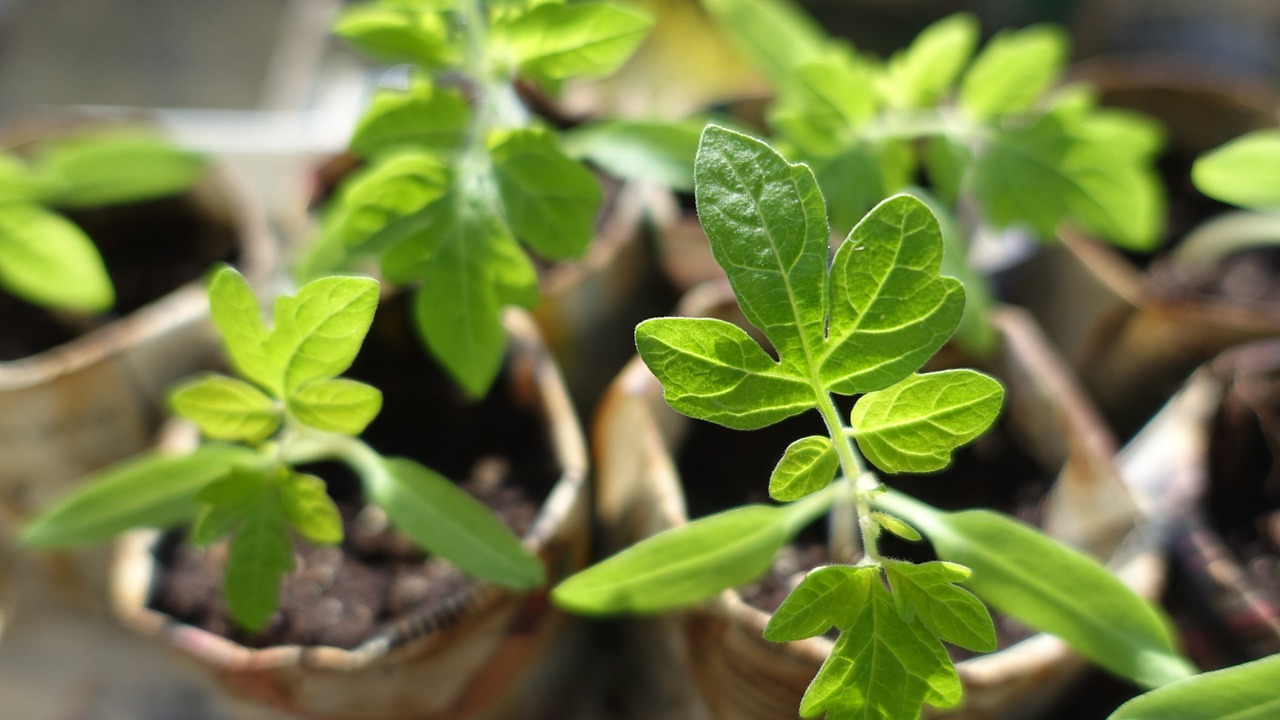
Later in life, Harriet lived in Auburn, New York, which was a hub for abolitionists. She cultivated thriving gardens in Auburn, supplying fresh, vital ingredients for herbal preparations. She also grew enough food to feed the people who came to her for refuge (National Park Service, 2022).
In Closing,
As Harriet Tubman’s legacy as a dedicated abolitionist and compassionate friend to those in need lives on, so does her incredible knowledge and skill as an herbalist. The herbalism she relied on to help others was deeply rooted in her environment and used to benefit others until the day of her death. Her life endeavors as a bioregional herbalist live on and inspire others today.
REFERENCES
National Park Service. Harriet Tubman’s Auburn home – Harriet Tubman national historical park). (2022). NPS. https://www.nps.gov/hart/learn/historyculture/tubman-residence.htm
Martyris, N. (2016). “Nurse, spy, cook:” How Harriet Tubman found freedom through food. NPR. https://www.npr.org/sections/thesalt/2016/04/27/475768129/nurse-spy-cook-how-harriet-tubman-found-freedom-through-food
Ms. Editors. (2023, February). “Dark Energy”: Poetry for Harriet Tubman. Ms. Magazine. https://msmagazine.com/2023/02/01/poetry-harriet-tubman/
National Park Service. (2017). Harriet Tubman home for aged & indigent negroes (U.S. National Park Service). NPS. https://www.nps.gov/places/tubmanagedhome.htm
Pinnix, K. (2025). Harriet Tubman’s forgotten history as a civil war nurse. Daily Nurse. https://dailynurse.springerpub.com/minority-nurse/harriet-tubmans-forgotten-history-as-a-civil-war-nurse/
Post, W. (n.d.). Bridging the past and the present: Using Harriet Tubman’s caregiving journey to inspire historical research writing among undergraduate nursing students. https://www.aacnnursing.org/Portals/0/PDFs/DEI/DLI/2025/Post.pdf
Weisstuch, L. (2022). Harriet Tubman is famous for being an abolitionist and political activist, but she was also a naturalist. Institute of the Black World 21st Century. https://ibw21.org/editors-choice/harriet-tubman-abolitionist-political-activist-naturalist/
About Post Author