The Benefits of Using the Hemlock Tree in Your Herbal Practice
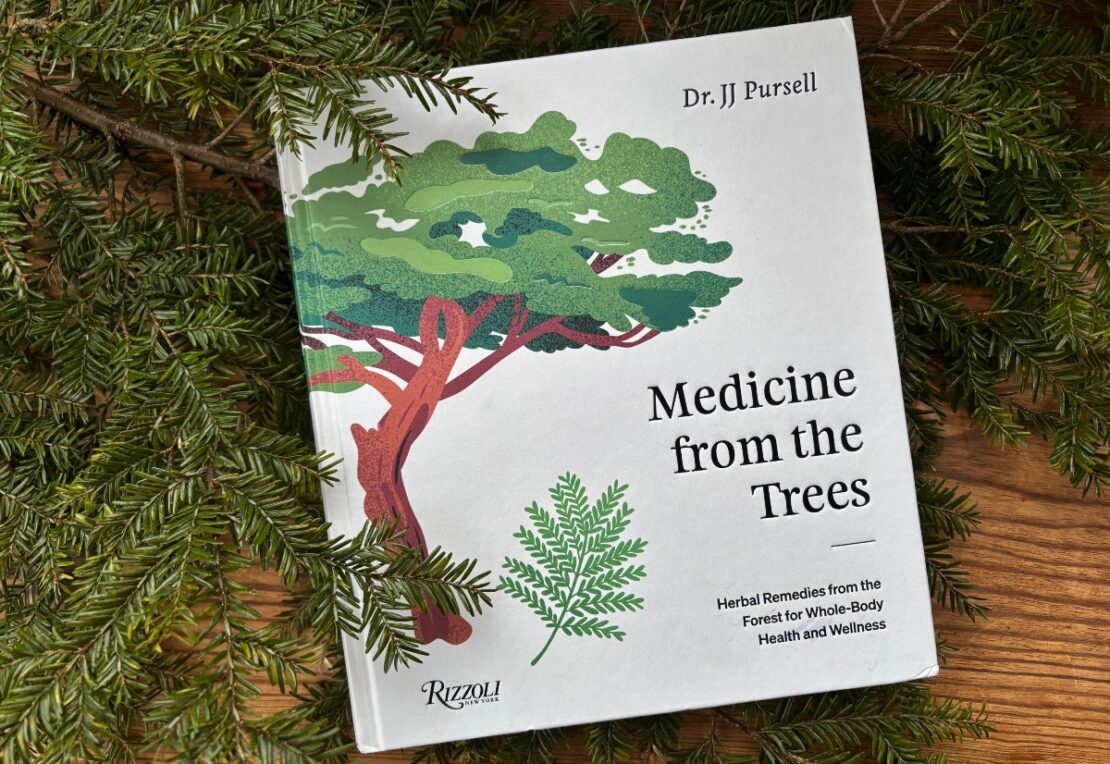
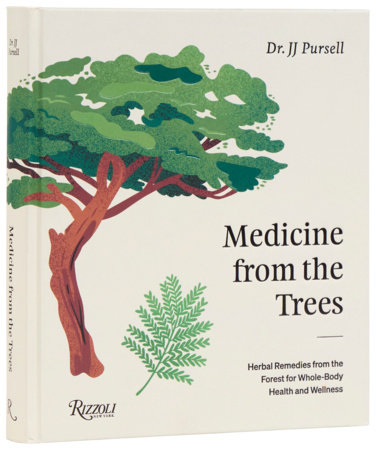
If you’ve ever wondered if the benefits of the herbs growing at our feet in our gardens and wilds also translate into the trees around us, you may find yourself deeply diving into Dr. JJ Pursell’s new book, Medicine from the Trees: Herbal Remedies from the Forest for Whole-Body Health and Wellness. In the book, author and naturopath Dr. Pursell takes her wealth of clinical experience and applies it to the forest, identifying which trees are nutritive and which are tannic, which have edible barks and which green leaves make wonderfully mineral-rich vinegars.
Herbalists at all levels have so much to learn from the generosity of trees, and Dr. Pursell offers practical steps as to how to integrate tree barks, flowers, leaves, and twigs into an herbal practice. Through recipes and personal and clinical anecdotes, Dr. Pursell’s book highlights both common and less abundant trees from the world over for their actions including demulcent, nervine, or digestive bitter properties.
In the following written excerpt and clips from her exclusive video in The Herbarium, Dr. Pursell introduces the hemlock tree (Tsuga canadensis) as so much more than the pretty, unassuming conifer that it might look like at first glance. Brought into the lab or examined through the lens of an herbalist, hemlock is shown to be bursting with phytoconstituents that soothe, nourish, and support human health.
Familiarize yourself with hemlock in the book excerpt below, and then join Dr. Pursell herself in the accompanying video for a spotlight on hemlock that is sure to inspire and intrigue you to learn more about this overlooked tree. You may even find yourself coming up with a simple syrup recipe using the green, fragrant hemlock tips from your own backyard!
Head on over to The Herbarium to find the whole excerpt from Dr. Pursell’s new book and the exclusive, full length video in which she further dives into hemlock as a beneficial tree, including where to find it, its vital importance to both humans and planet, harvesting techniques and tips, a hemlock springtime cordial recipe, and so much more.
The following is excerpted from Medicine from the Trees by Dr. JJ Pursell, published by Rizzoli. Copyright © 2026 by Dr. JJ Pursell.
Hemlock
Tsuga canadensis, Tsuga heterophylla, Tsuga mertensiana
Family: Pinaceae
Parts used: bark, needles
Medicinal actions:
Bark: alterative, anti-inflammatory, astringent. Needles: antioxidant, antiseptic, astringent, circulatory stimulant, diaphoretic, diuretic, immune tonic
Native geography: North America, particularly Michigan, south-central Ontario, extreme southern Quebec, New Brunswick, and Nova Scotia
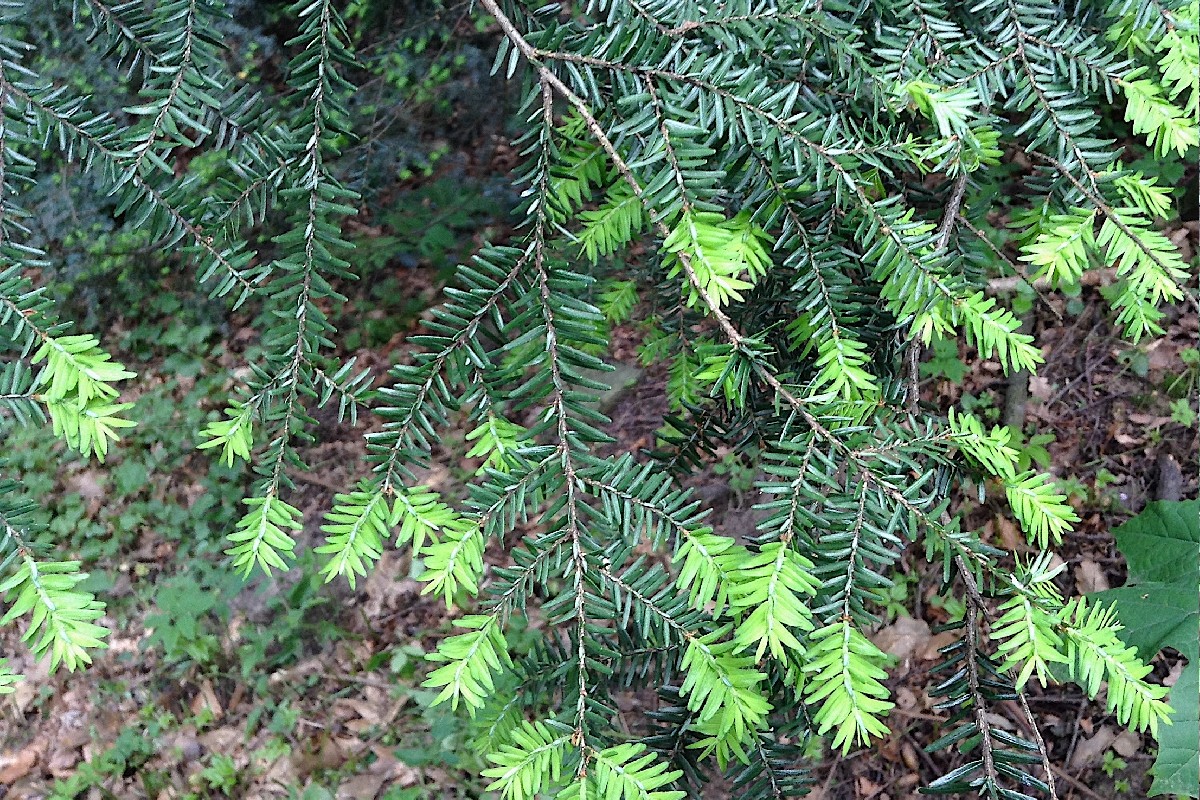
As Gary Snyder says, “Plants are all the chemists, tirelessly assembling the molecules of the world.” I feel this quote perfectly represents the hemlock tree. There are so many different things going on with hemlock, it only makes sense that it is working to contribute to the greater world somehow. I seek hemlocks when I’m out traveling in the eastern half of the country, and am always sure to harvest some fresh needles for my home medicine cabinet. To me they are one of the most beautiful conifers—whether growing wild or as an ornamental addition around a patio or garden. I always think these tall trees look like a Muppet—a big, goofy furry, droopy tree. The branches slope gently downward, so I always imagine it, at any moment, to come walking toward me, jauntily bouncing up and down. I want to pet the needles once I get up close. They aren’t pokey or sharp, but surprisingly soft and calming to touch.
In the spring, the fresh tips (candles) can be harvested and eaten. In Chinese medicine (CM) spring is the season of the liver, which means it is time to clear out winter accumulations and detox. CM associates sour with the liver, and therefore encourages the intake of sour foods and teas to heal it. Hemlock candles are perfectly sour, which wakes up the liver from its wintry sleep and mobilizes energy. The candles tonify and increase digestive secretions to optimize organ function. Supporting the liver means you are supporting the flow of qi, or the life force of the body—this means physically getting the energy of your body circulating. When you move blood, you move lymph, the garbage collection fluid of the body. When we collect the trash, it opens up pathways and clears organ congestion. All this movement also aids in clearing out old and built-up emotions. Just like the new blades of grass that spring forth from the ground in the spring, our energy awakens and gets released during this time of year.
Later in the season, you can collect and dry the needles for a similar internal effect as mentioned above. More than 60 percent of your immune system is located along the digestive tract; it’s worthwhile to dedicate time and energy to keeping it healthy. The use of hemlock can reduce inflammation, improve intestinal tone, and support immunity cells. When the digestive tract isn’t busy fighting inflammation—due to poor dietary choices, stress, or decreased function—it can do what it’s supposed to do, which is digest food for nourishment and energy and stave off illness…
Join Dr. Pursell in the video below as she shares more about hemlock and other valuable tidbits about the beneficial trees that surround us.
SEE THE FULL LENGTH VIDEO IN THE HERBARIUM!
Interested in learning more about backyard foraging, how to integrate wild trees into an herbalist’s apothecary, and see how to make a Springtime Cordial with hemlock tips? Members of The Herbarium can join herbalist and naturopath Dr. JJ Pursell as she delves into these topics in more depth! You’ll find this enlightening video in The Herbarium, along with the excerpt of Medicine from the Trees: Herbal Remedies from the Forest for Whole-Body Health and Wellness.
Interested but not yet a member of The Herbarium? Get access today with quarterly or annual membership!
The Herbarium is an ever-expanding, illuminating virtual collection of nearly 220 (and counting!) searchable monographs, 20+ unique intensive short courses on focused topics, and numerous informative articles, videos, ebooks, podcasts, and helpful downloadable resources. The Herbarium is crafted for herbalists to help you learn and grow in your herbalism journey!
Learn more and sign up for The Herbarium here.
Find Medicine from the Trees: Herbal Remedies from the Forest for Whole-Body Health and Wellness, by Dr. JJ Pursell via Rizzoli or Amazon.

Dr. JJ Pursell is a board-certified naturopathic physician and licensed acupuncturist who earned her doctorate in Naturopathic Medicine. Her primary focus is on plant medicine, about which she has written 7 books, and spent countless hours researching, writing, and teaching. When she’s not speaking at conferences, teaching workshops, or writing books, Dr. Pursell can be found playing with her kids in the garden, cooking, hiking, or travelling. Connect with Dr. Pursell at her website, https://drjjpursell.com/
About Post Author