Herbal Beauty Secrets from Ancestral Latin America
This book excerpt is taken from Radical Señora Era: Ancestral Latin American Secrets for a Happier, Healthier Life by Ann Murray Dunning and Christina Kelmon and is the exclusive property of Kensington Publishing Corp. and is used with permission. All rights reserved.
Herbal Beauty Secrets from Ancestral Latin America
Beauty Secret #1: Watch what you put on your skin
So, what should we do, considering the fact there isn’t any consensus or concrete solution around the problem of beauty product health and safety? Food writer Michael Pollan says, “Eat food. Not too much. Mostly plants.” Our philosophy is pretty similar to this but with makeup. We love using beauty products—just not too much, and mostly with minimalist ingredients. Why? You can never go wrong with beauty ingredients when there are just a few of them.

You can also start by always reading the ingredient list of any product you’re considering. Ann does this now out of habit. Use apps like ThinkDirty and Environmental Working Group’s Skin Deep Cosmetics Database to find out more about ingredients in your personal care and beauty products. If you’re not sure about an ingredient, simply look at the list to check for its score. The score takes into account potential health risks, like cancer risk, reproductive toxicity, allergies, and more. Personally, Christina and Ann also prefer more naturally derived ingredients, because those are usually some of the simplest ingredients out there, and time-tested for generations.
Beauty Secret #2: Casera beauty
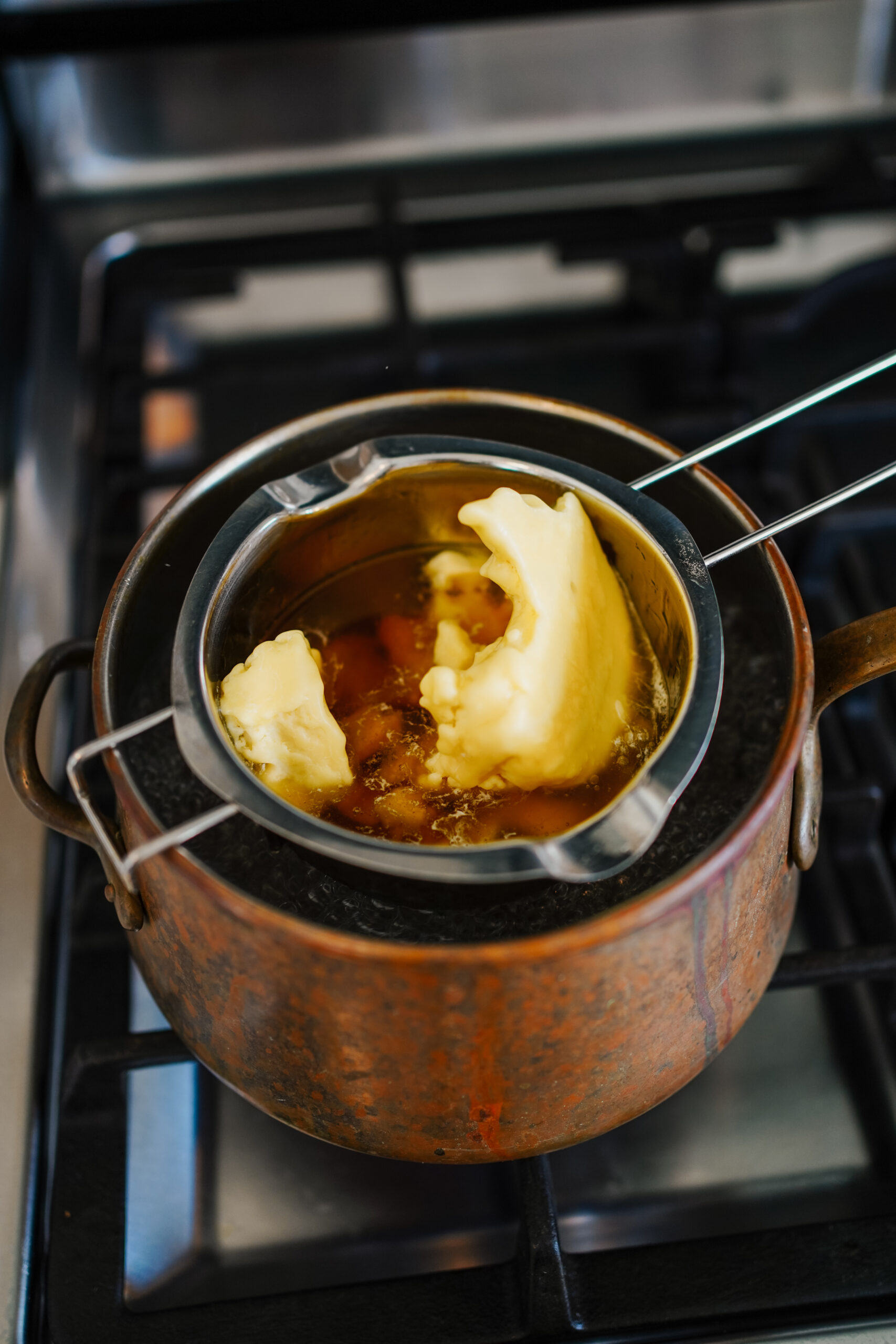
Look at the routines of the señoras of the past for inspiration for your own beauty routine. To them, it was all about multipurpose, homemade, and simple ingredients, sometimes with things collected from their garden. These will give you the same, if not more, peace of mind than buying any expensive products on shelves.
People with skin issues like eczema or sensitive skin will see a huge benefit from finding products that have minimal ingredients or from making their own simple beauty products with gentler ingredients, like beeswax or shea butter. Knowing exactly what’s in your products and knowing you’re using safe ingredients will simply give you more peace of mind.
There are so many benefits to making your own beauty products. Re-creating recipes from the past will help you connect with your roots. Working with your hands is good for you and is an easy way to enjoy a new mindfulness practice. Studies show that engaging in hands-on activities, like arts and crafts, may lead to reduced levels of stress and anxiety and that engaging in creative activities is associated with better cognitive function and a reduced risk of cognitive decline in older adults.
We’re not saying you have to cook your entire skin-care routine! No one has time for that, and if you don’t want to do this, by all means don’t. But if you can devote an hour on Sundays to making a new recipe, alongside your meal prepping for the week, we can almost guarantee that you’ll get lost in the process and want to do it again. The key to making your own skin-care products is to have the ingredients ready to go beforehand by knowing what to buy and where to get them. Then incorporate a recipe that you know your ancestral señoras loved—maybe it’s a family recipe passed down for generations—into your beauty routine, or try one of the recipes below.
To learn how to make her own beauty products just for fun, Ann turned to the online school called Herbal Academy, which kick-started her love of herbalism, natural beauty, and tea recipes. If you’re looking to learn more advanced formulation techniques to become a beauty founder, they also recommend Formula Botanica’s online school. If you want easy ingredients and ready-to-make kits, try Bramble Berry. If you want free classes, hit up YouTube, where you’ll find thousands of easy and beautiful recipes for any beauty product you want to make.
A note of caution: Any formulations that you don’t add preservatives to won’t have a long shelf life, so be sure to follow the instructions in the recipe to either refrigerate the product or use it only for a few days.
Radical Señora Beauty Secret #3: Know the history of beauty in your culture
It brings Ann and Christina a lot of joy to think about the daily beauty routines of the señoras of their family trees, particularly in what ways the old routines are similar to theirs. One of the most fulfilling things they did tied to their beauty line was research the cultural beauty and hygiene habits of their ancestors.
To your Aztec ancestors, hygiene was very important. So much so, in fact, that the plundering Spanish soldiers were taken aback. Certainly, the Aztecs were cleaner and had better hygiene habits than Europeans, whose cities at the time were filthy, with city streets full of garbage, rats, and human waste, and for whom baths were rare. According to Francisco Javier Clavijero, an eighteen-century Franciscan Jesuit and historian, the Aztec people bathed a lot, sometimes twice a day, and usually in the rivers and lakes.
For our ancestors, hair and body care rituals were elaborate. Much of it was focused and centered on herbal work. Right now, there are more than fifty Indigenous languages spoken in Mexico, and each community has very specific herbal practices, passed down the generations, and many of these practices are alive and well today. For the Aztec people, hair also had some emotional elements. Hair was a big part of funeral rituals—they made their hair look unkempt when someone they loved died. They boiled the leaves of the chaca tree to make baths; they used estropajo (loofah) leaves to make bath infusions, and estropajo fruit to make a lice shampoo. They took aromatic baths not only to heal ailments but to keep clean and smelling good. The fruit of the copalxocotl tree and roots from the amole plant were also used to make soap.
For Peruvian and Chilean Araucanos, hair was considered atrocious, and it was a tradition to shave or pluck all hair from the face. After the colonial invasion, long hair—and particularly braids—was considered Indigenous, and so mestizas avoided this hairstyle so as to not show their Indigenous heritage.
Aztec ancestors bathed their bodies using the fruit of copalxocotl, the “soap tree,” and the root of the xiuhamolli plant, which was a lathering plant. They may have also used flowers to wash their hair and make their breath fresher. In South America our Mapuche Indigenous ancestors and mestizo people used the bark of the quillai tree as shampoo, soap, and even detergent for washing clothing. This is because there is a natural chemical in the tree bark (saponin) that acts as a detergent and creates foam. The quillai bark would be boiled overnight and turned into a shampoo.
Later in history, methods of shampooing your hair included using herbs, in the form of either herbal decoctions or infusions. Decoctions are when things like roots and dried flowers are boiled for long enough to extract nutrients from them. Infusions happen when the softer parts of plants—like petals, seeds, and more—are covered in boiling water and steeped for a few minutes. Think of how you make tea. That’s an infusion. Maceration means grinding up the parts of a plant, submerging the ground plant material in alcohol, and leaving it to steep for a few hours. Then the mixture is strained to remove the plant material, leaving just the liquid. A great way to learn more about this is in an Introductory Herbal course over at the Herbal Academy. Your Mexican señora ancestors may have made flaxseed water to detangle hair.
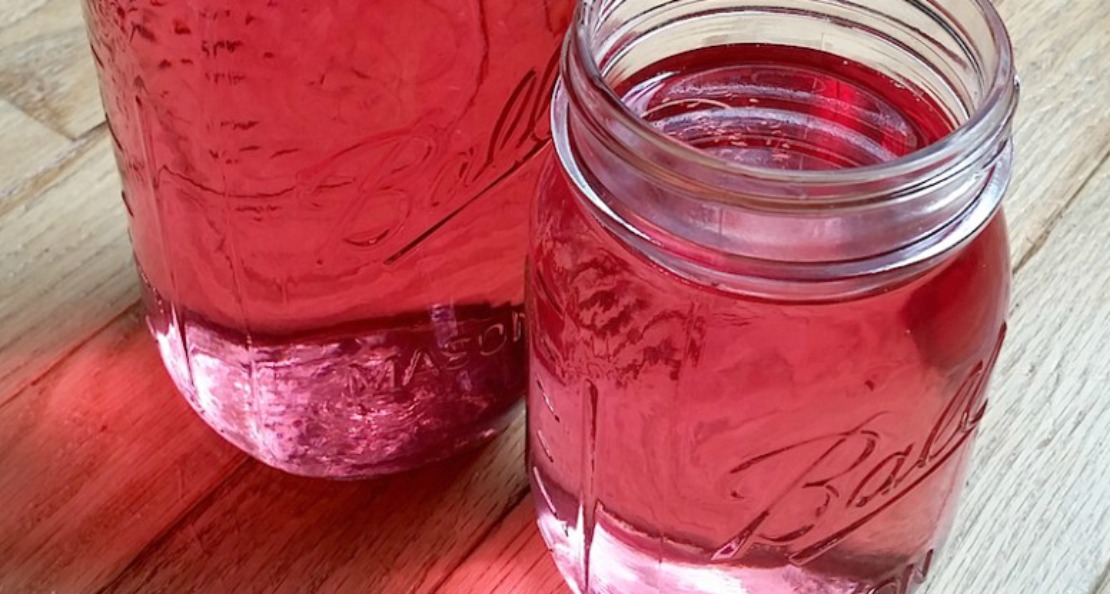
Rose water was a señora’s favorite concoction made with rose petals. It became widely known in our homelands during the colonial period, when Spanish people brought this recipe, which originated in the Middle East, to the New World. It was used in religious ceremonies, food recipes, and beauty routines. It didn’t hurt that the tonic had a delicious scent. In fact, Ann connected with a distant US American cousin with whom she shared a long-ago family connection. She learned that the new relative’s great-grandmother, who was from Chile, made her own rose water because it reminded her of her homeland.
Your ancestors likely had gardens—or pots—full of herbs for healing and also personal care. Shampoo herbs may have included rosemary or specific flowers based on your ancestors’ geographic location, like calendula, or they may have made almond oil for rubbing on the skin. In general, your family likely did not wash their hair every day—instead just once or twice a week.
There was a clear moment in time when ancestral beauty rituals began to fade from everyday life. If your grandmother was in her teenage years during the 1950s, chances are she used the brands that were also popular in the United States—brands like Estée Lauder, Revlon, and so on, which all launched in Latin America at some point in the 1950s and 1960s. This was the moment when many of our ancestral beauty traditions started to become lost to history.
When times were tough, señoras of that era made beauty products from food staples in their pantry or the market, like honey, aguacate/palta (avocado), oats, coffee, and all kinds of herbs that they also used for te (teas). Many who couldn’t afford North American beauty products perfected their own hydrating masks and whipped face creams and made their own super simple soaps. Some of them may have also created recipes based on wild plants or weeds that grew around them, like rosa mosqueta, a rosebush that grows completely wild in certain areas of the Andes, unbothered by humans and fed by natural mountain runoff. A beauty serum, Chilean rose hip oil is made from these rose hips. Rose hip oil is big business now, but in the past, it was simply an oil that you used to get rid of skin imperfections.
Our ancestral señoras even dabbled in beauty supplements that are so on trend right now. Nowadays you’ll find “beauty powders” and supplements at your local beauty retailer. Back then, there were tonics and pills that were supposed to keep your face and body beautiful. For example, for a moment in the nineteenth century, it was all the rage in Chile to buy pilules orientales, which were tonics that were supposed to give your boobs a glow. There was also a huge push toward creams and waxes that got rid of the hair on your face. Other supplements included herbs and botanicals that we now call superfoods, and that go back to the days of the original Indigenous people of these areas. These included edible things like cacao, maca, and the superfood berries maqui and acai.
Relying on señora beauty secrets is the simplest way to make sure you’re protected from potentially harmful ingredients. It’s simply a matter of being practical and not making things overly complicated. Some people might say that merely talking about potentially toxic ingredients in beauty products is fearmongering, but we call it being careful. Porque uno nunca sabe, as our ancestral señoras used to say.
There are other benefits to channeling your inner señora for your beauty routines. Simply put, you’ll feel better. This has everything to do with the fact that when you’re whipping up these beauty products, you’re using your hands and giving yourself a mindful practice that might bring a little more joy to your life.
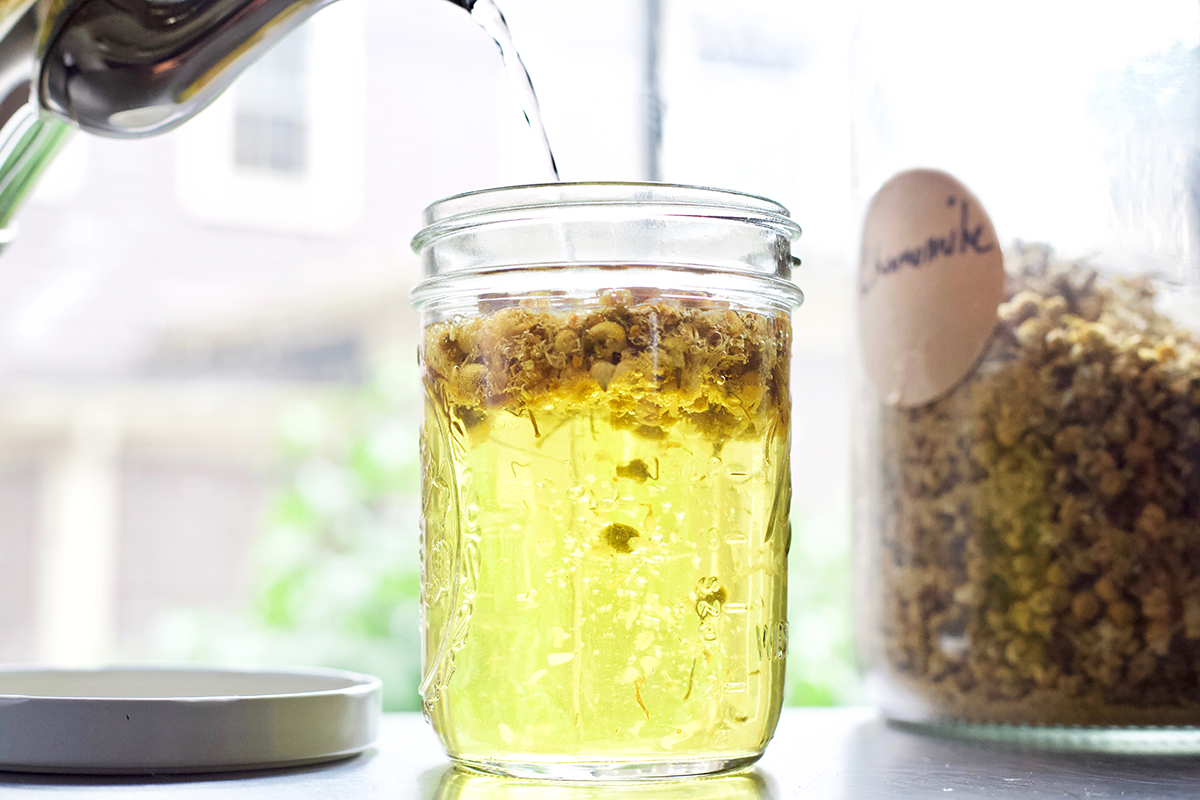
Señora Beauty Era Recipes
Chamomile
Ann’s abuelita on her father’s side was big on chamomile. She was Indigenous, from a line of people who came from a part of the Andes. There was nothing she couldn’t do with chamomile. She grew it in her garden, made tea with it, and boiled it in water or used the petals to create various skin-care solutions.
Chamomile is a native plant in Europe, Africa, and Asia and was used by ancient Roman, Egyptian, and Greek civilizations. In Greece the word used for it means “ground apple” because of its similarity in flavor to the fruit. This is why it’s known as manza nilla, which means “little apple,” in Latin America, where it was popularized thanks to Saint Martin de Porres, the region’s first Afro-Latino saint and the patron saint of multicultural public health workers, barbers, innkeepers, and everyone seeking racial harmony. The legend says that the saint would collect chamomile in the forest to treat sick and indigent people in the community.
Chamomile has always been a staple in a señora’s botanical garden and medicine pantry and cabinet, because it’s well known to be a soothing, calming tea for “nervios.” Nervios is a catchall term in Latin American culture and literally means “nerves,” but it actually means many different things to people, including that you’re nervous or anxious, or you just don’t feel good mentally. In fact, it’s the afternoon or evening tea for many señoras worldwide. For Ann and Christina, it’s a stand-in for a glass of wine after dinner, because it helps calm them down without the wine crash, anxiety, and stomach issues.
In the life of a señora, chamomile has a very special place in her beauty cabinet. It does everything from healing dry, itchy skin to helping open up your pores and creating a calming bath, and the señoras of the past used this wonder herb religiously.
On the skin, chamomile is used to treat conditions like postpartum cracked nipples, chicken pox irritation, diaper rash, eye and ear infections, and poison ivy. It’s also commonly used as an ingredient in DIY creams, perfumes, soaps. and detergents and is dropped into the bath to help with—you guessed it—nervios.
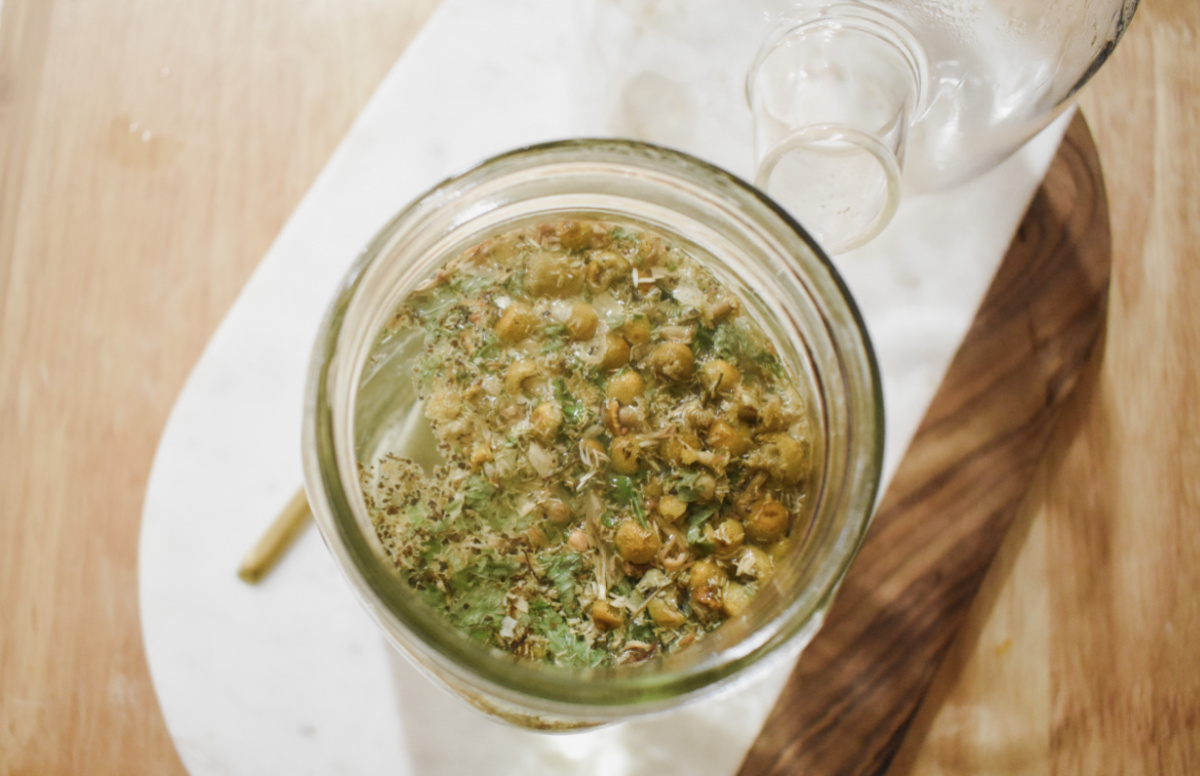
DO THIS TO HIGHLIGHT YOUR HAIR:
- Chop 1 cup of dried chamomile petals (or 3-5 chamomile tea bags) and boil in 2-4 cups water for 15 minutes
- Strain the chamomile water and discard the petals
- Rinse your hair with chamomile water and wait for half an hour before rinsing with fresh water
- Do not go into the sun before rinsing the chamomile water out of your hair
DO THIS TO RELIEVE DRY, ITCHY SKIN FROM THE WINTER COLD:
- Bring 8 ounces of water to a boil
- As soon as it begins to boil, add 1 cup dried chamomile petals
- Add a few sprigs of fresh rosemary or 4 tablespoons dried rosemary
- Strain the concoction and add the chamomile-rosemary water to your bath
DO THIS TO ENJOY A CHAMOMILE STEAM FACIAL:
- Bring 12 ounces water to a boil in a saucepan
- Add 2 cups fresh chamomile petals (or multiple tea bags) and let soak for 5 minutes
- Pour the hot chamomile water in a large bowl
- Put your face over the bowl and a towel over your head and feel the healing effects of the chamomile steam on your pores
HYDRATING AVOCADO AND OAT MASK/MASCARILLA DE PALTA Y AVENA
- Soak 1 tablespoon rolled oats in water for 24 hours
- Mash half of an avocado and mix in 1 teaspoon lemon juice in a medium bowl
- Drain the water from the oatmeal and add the oatmeal mush to the avocado-lemon mixture
- Next, add 2 tablespoons almond oil and 2 tablespoons chamomile tea to the oatmeal-avocado mixture.
- Mix well and spoon into a glass jar
- Apply the mask, leave it on for 25 minutes, and then wash it off with tepid water
Find Radical Señora Era: Ancestral Latin American Secrets for a Happier, Healthier Life by Ann Murray Dunning and Christina Kelmon on Amazon.
About the authors:
Born in Viña del Mar – Chile’s “Vineyard by the Sea” – Ann Murray Dunning arrived in this country when she was a little girl. She spent years hustling in the startup world of Silicon Valley and San Francisco, becoming an angel investor. Then she moved out of the city to the campo and realized that, as much as she loved work, there was a lot more to life. She lives in the Vamigas Rancho with her family and her very large ranch perritos. She’s a graduate of UCLA, USC, the School of Natural Skincare, and a student at Herbal Academy.
Christina Kelmon is a Venture Capital professional, Forbes Next 1000 recipient, and an Inc. Magazine Top Female Founder 200. As co-founder of Vamigas, she’s navigated the fast-paced startup world but found true joy in a life of beauty, creativity, and slow, intentional living. Inspired by colorful gardens and thoughtfully curated spaces, she cherishes simple moments—baking, hiking with her husband and daughter, and soaking in golden afternoon light.
About Post Author