
Results for Category: We’ve Come To Know
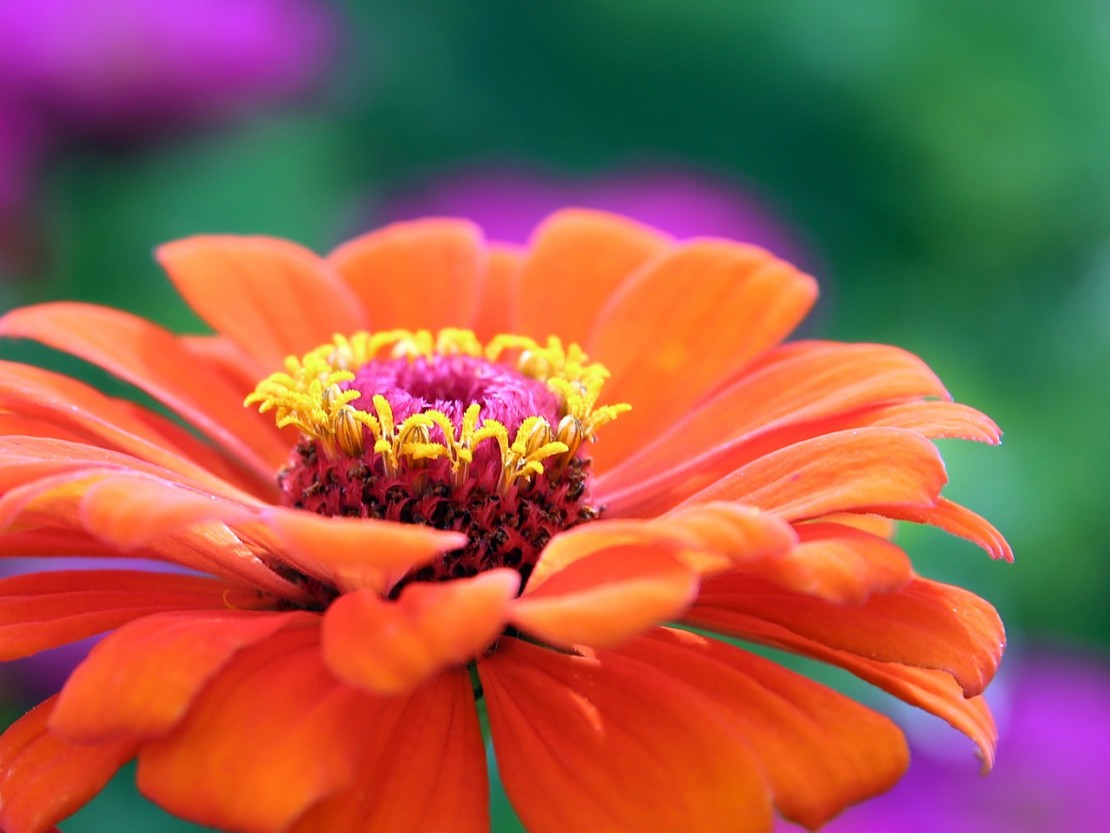
12 Best Botany Words for Your Herbal Studies
Most of the time, the words we use to describe our herbs are fairly straightforward: calendula petals, mint leaves, and ginger root. Leaves, petals, and roots are parts of plants familiar to most people, even if they aren’t gardeners, herbalists, or botanists. And for most purposes, that’s as technical as you need to be. Other…
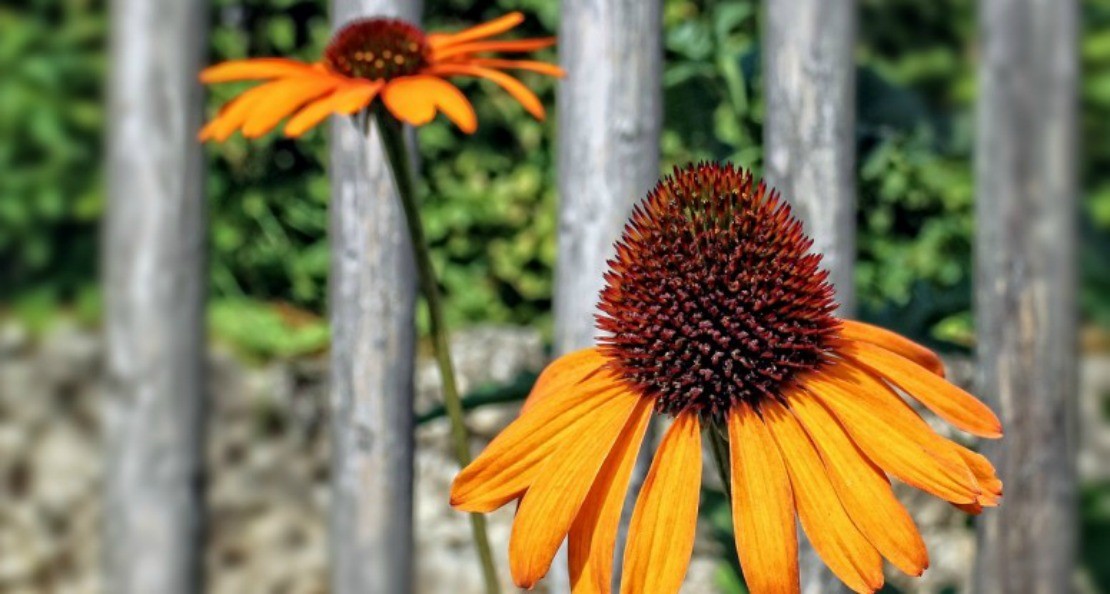
Giving Thanks for the Fall Harvest
The time has come again. Fall is right around the corner and it is time to start collecting and harvesting what Mother Earth has g...


Relieving Stress through Yoga – 9 Useful Tips
For me, setting aside every task and “to-do” I have for the day to take a yoga-break is indispensable. Sometimes, I wonder wha...
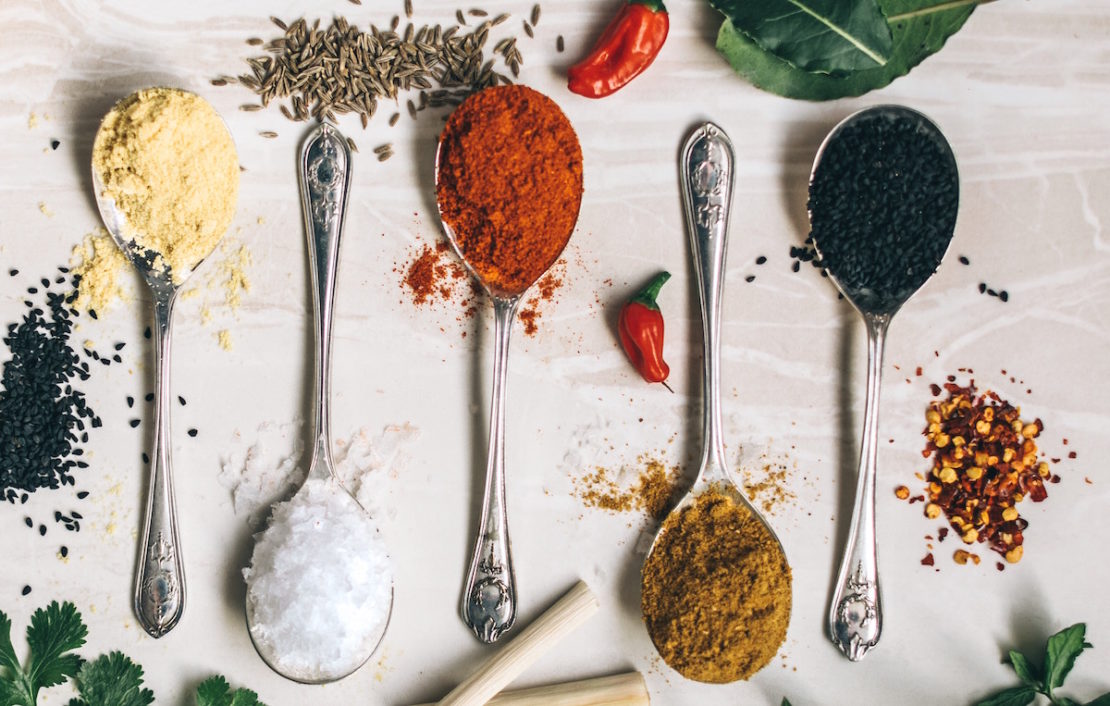
Health Benefits of Popular Autumn Spices
Soon the air will turn crisp and the leaves will begin to change colors. And along with these wonders of fall come the smells of apple and pumpkins as well as cinnamon, nutmeg, sage, and other popular autumn spices. In addition to the fact that these spices are delicious and autumnal, they also boast some…
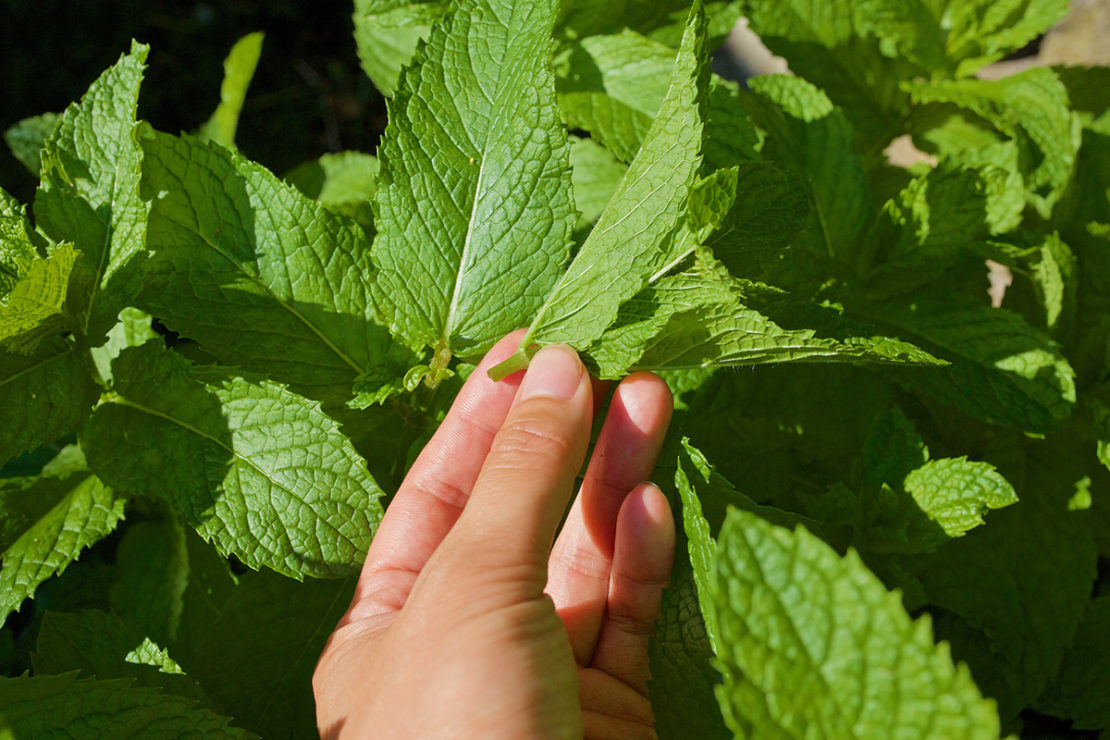
Basic Botany: Describing Leaves
There’s a lot going on in a leaf. Thousands of chemical reactions occur in each one as part of photosynthesis – the process plants use to turn sunlight into energy. Each plant develops their own unique blend of ingredients from sunlight, water, and the nutrients they pull from the soil. The unique makeup of each…
Botanical Families: How Herbs Are Related
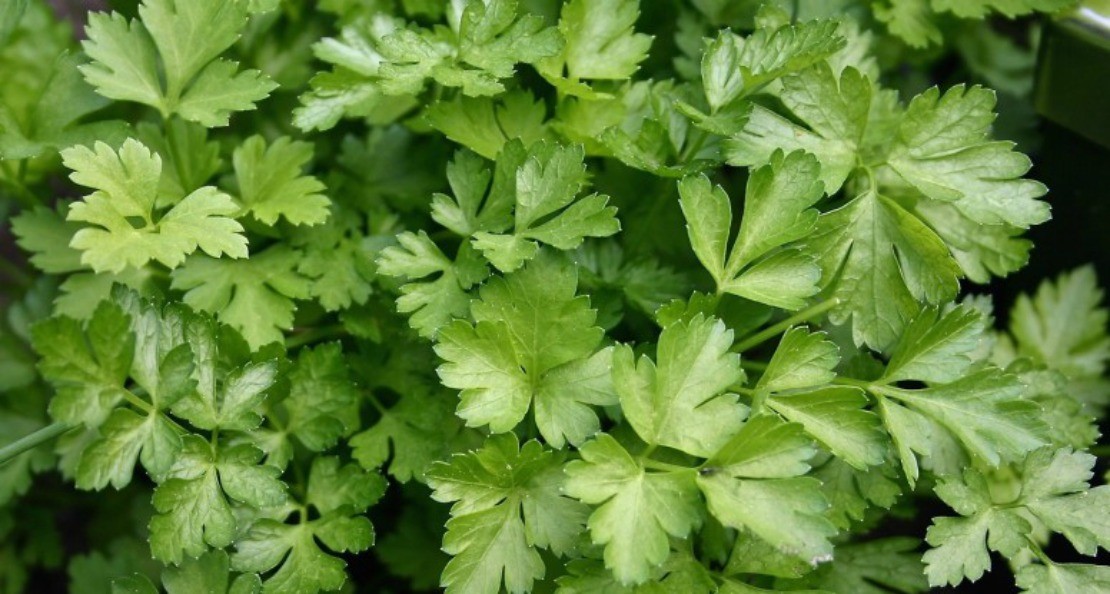
The number of distinct botanical species recorded in the world is impressive. 500 species of conifers, 12,000 species of ferns, 14...
Prepare for Fall with an Herbal Transition Kit
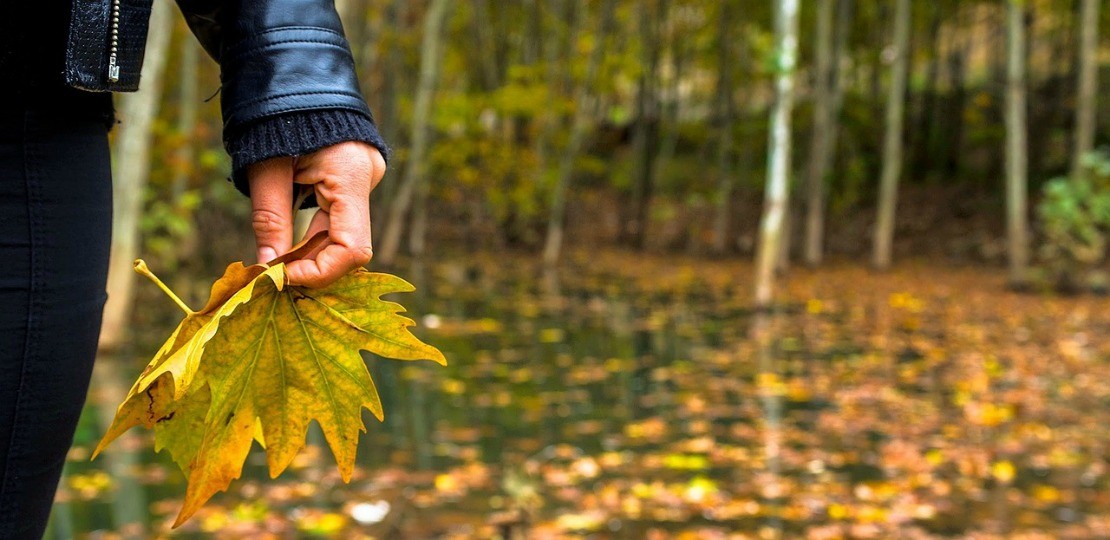
Late August is a time of transition, as summer is drawing to a close and a new school year begins. We know that many herbs are imp...
How to Plan a Seed Swap in Your Neighborhood
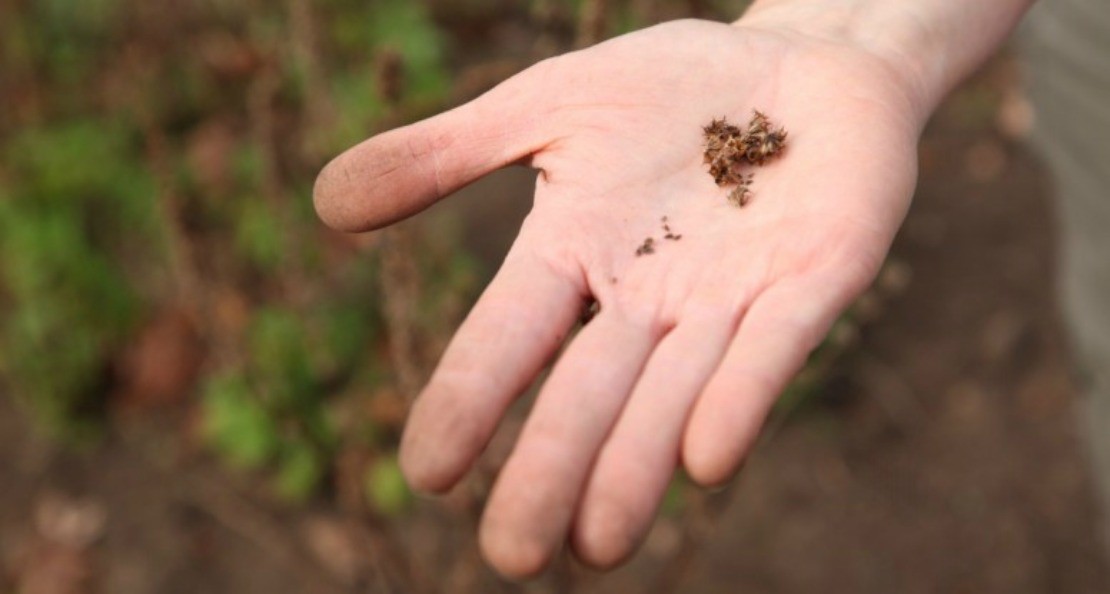
Seed swaps are an excellent way of sharing your plant knowledge—and your seeds—with your local community. What’s more, seed swaps have the added benefit of connecting like-minded growers. Whether you’re looking for an informal, one-time get together with fellow gardening friends, or a more organized yearly event, here are a few tips to help plan…
Local Herbs for the Home Apothecary
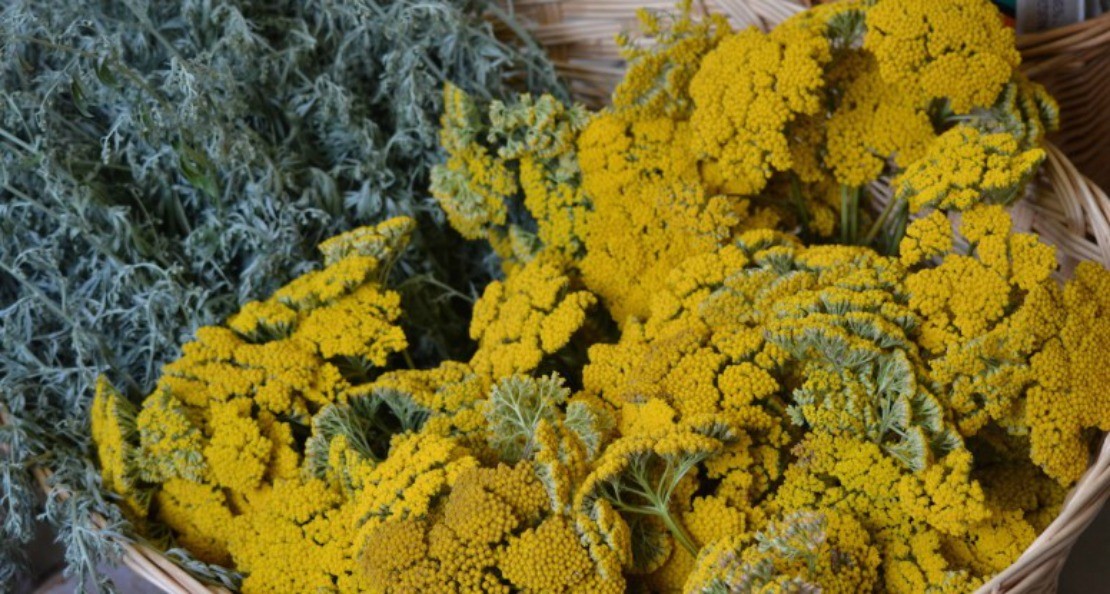
With so much interest in the local foods movement and how it benefits the environment, our local economies, and food security in our communities, it’s natural that some herbalists want their home apothecaries to be as local as possible, too. For some of us, we long to connect with native plants in our surroundings as…
Herbal Support for Back to School
The hot, lazy days of summer are swiftly flowing by and many students are already getting ready to go back to school. As with any ...
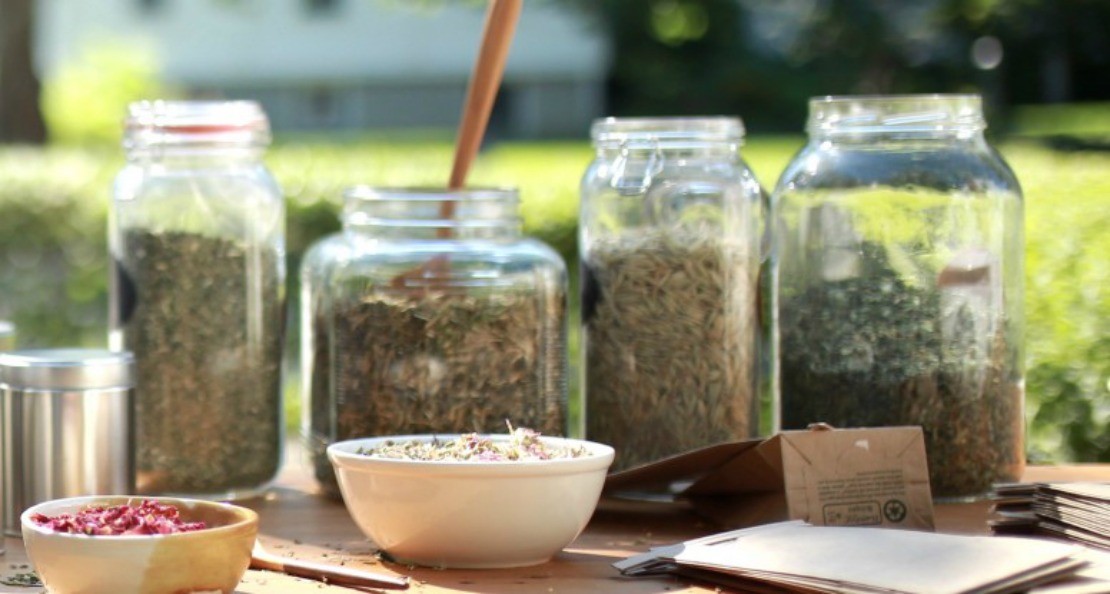
Creating Your Organized Apothecary
Building a home apothecary is an exciting part of learning herbalism. There is a sense of satisfaction that comes from having ever...
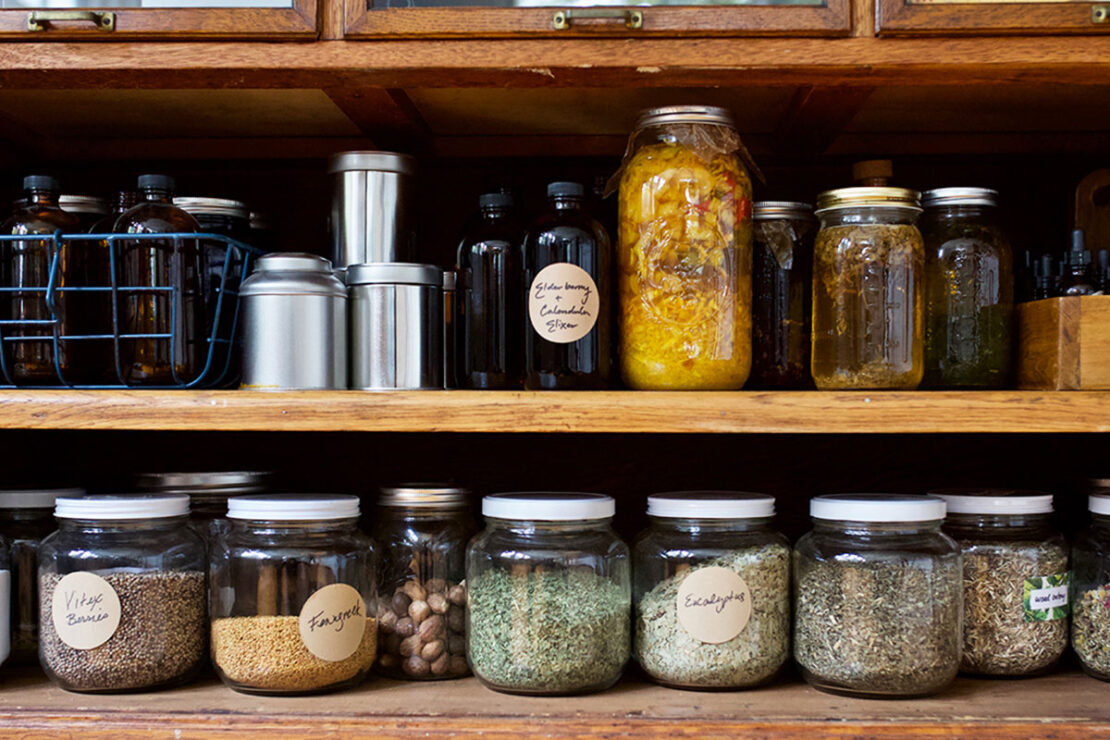
Art of the Alcohol-Free Apothecary
Extracting herbs in alcohol is a quick and simple way to preserve their benefits for later use, so it’s no wonder that the little brown bottles of extract have become ubiquitous. Pre-made extracts are available for sale in almost every herb shop, and it’s easy to mix up a batch at home using vodka or…
Herbal Comfort for Aches and Pains
New Warnings on OTC Pain Relievers Over the counter NSAIDs (non-steroidal anti-inflammatory drugs) like naproxen (Aleve), and ibuprofen (Motrin, Advil) are what many people reach for when they need temporary relief from back pain, a toothache, sore muscles, or a headache. NSAIDs have recently been in the news as the U.S. Food and Drug Administration (FDA)…
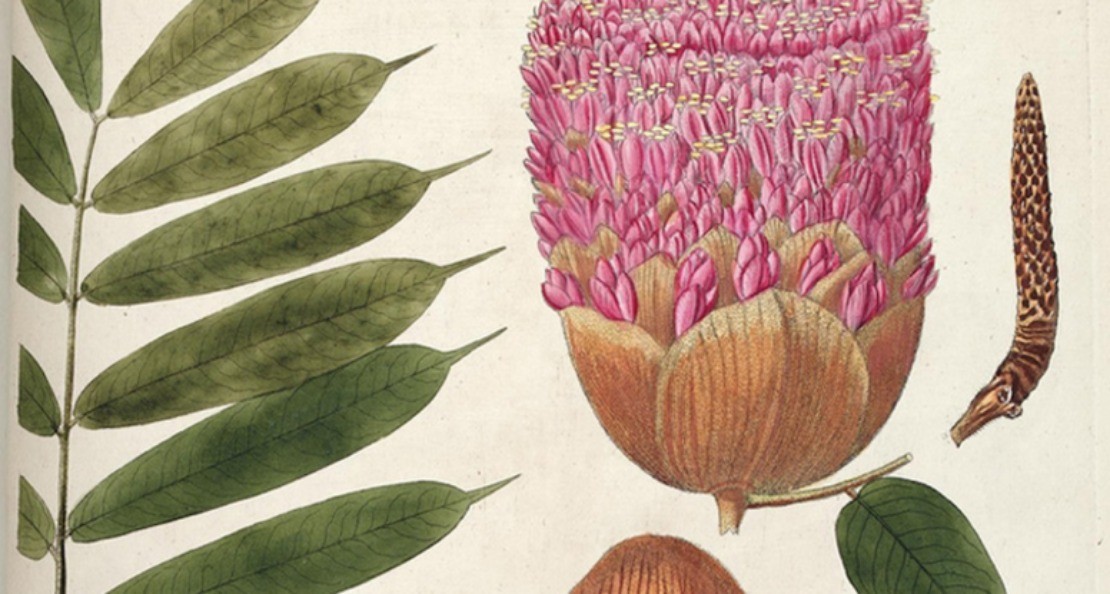
Learning Botanical Names
If you have spent time reading about or studying herbs, chances are you have come across botanical names. Usually in italics, bota...
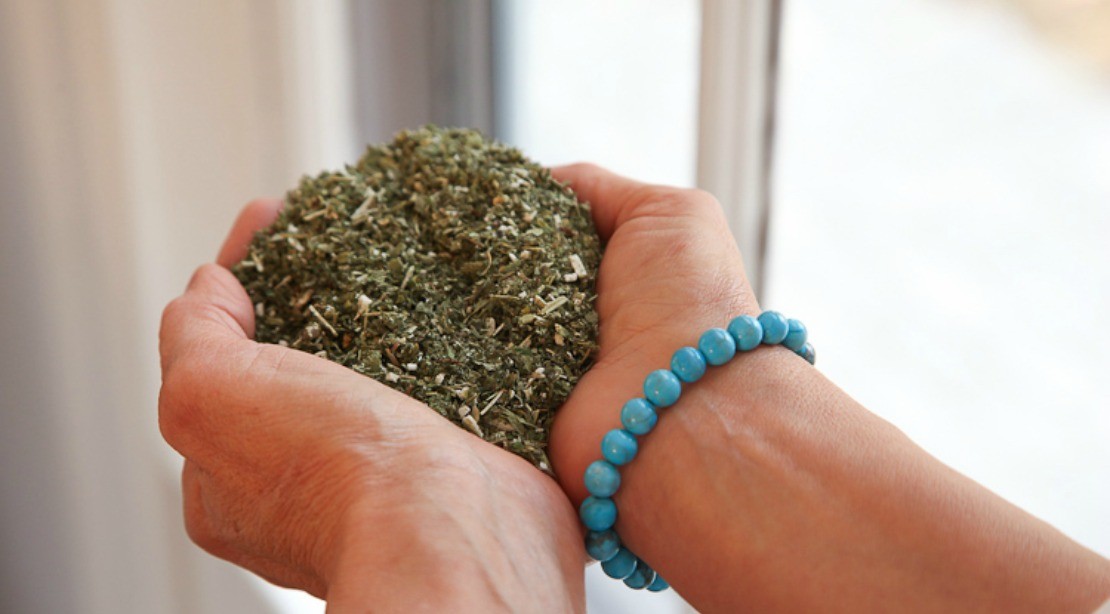
The Herb Safety Continuum Scale: A Guide to Herbal Safety Use
Herbal safety is an important consideration when it comes to determining which herbs to use, and it’s important to thoroughly re...
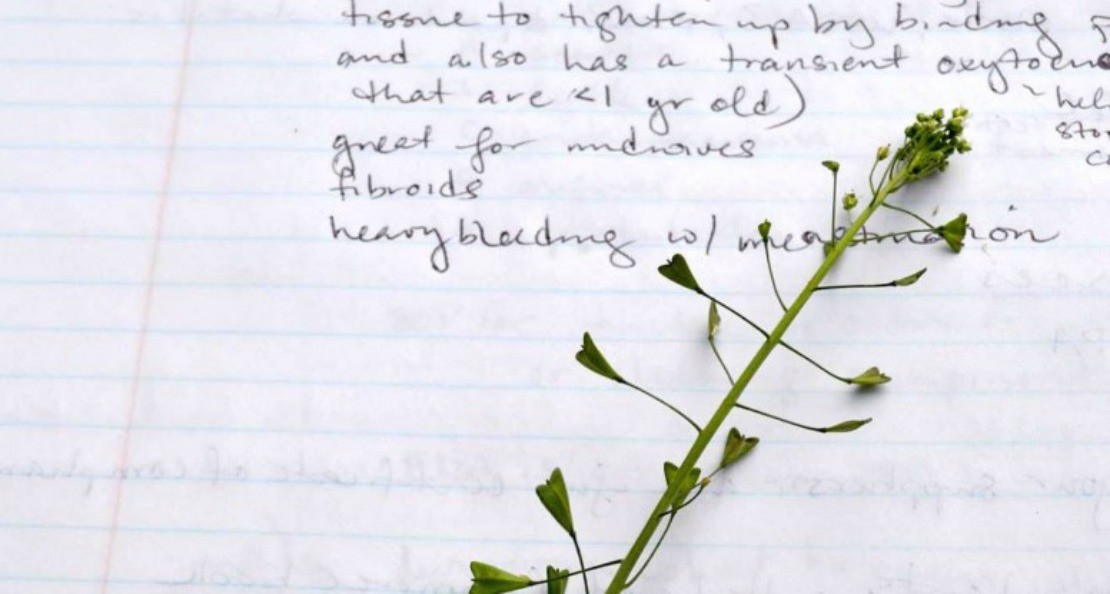
One Herb at a Time: 7 Ways to Inspire Your Herbal Studies
When you begin your herbal studies, the sheer number of herbs you encounter can be intimidating. While it’s useful to learn about herbs as the need arises to solve everyday health issues, one of the best ways to approach herbalism is by studying under teachers who can walk with you step-by-step on the first part of your…

Stress Management for Parents: 3 Ways To Deeply Care For Yourself
“Self-care is never a selfish act – it is simply good stewardship of the only gift I have, the gift I was put on earth to offer to others. Anytime we can listen to the true self and give it the care it requires, we do not only for ourselves but for the many others…

Can Reiki Support Us? An Alternative Approach in America
The United States has become a place where people are quick to pop a pill for everything that ails them. There seems to be a pill ...
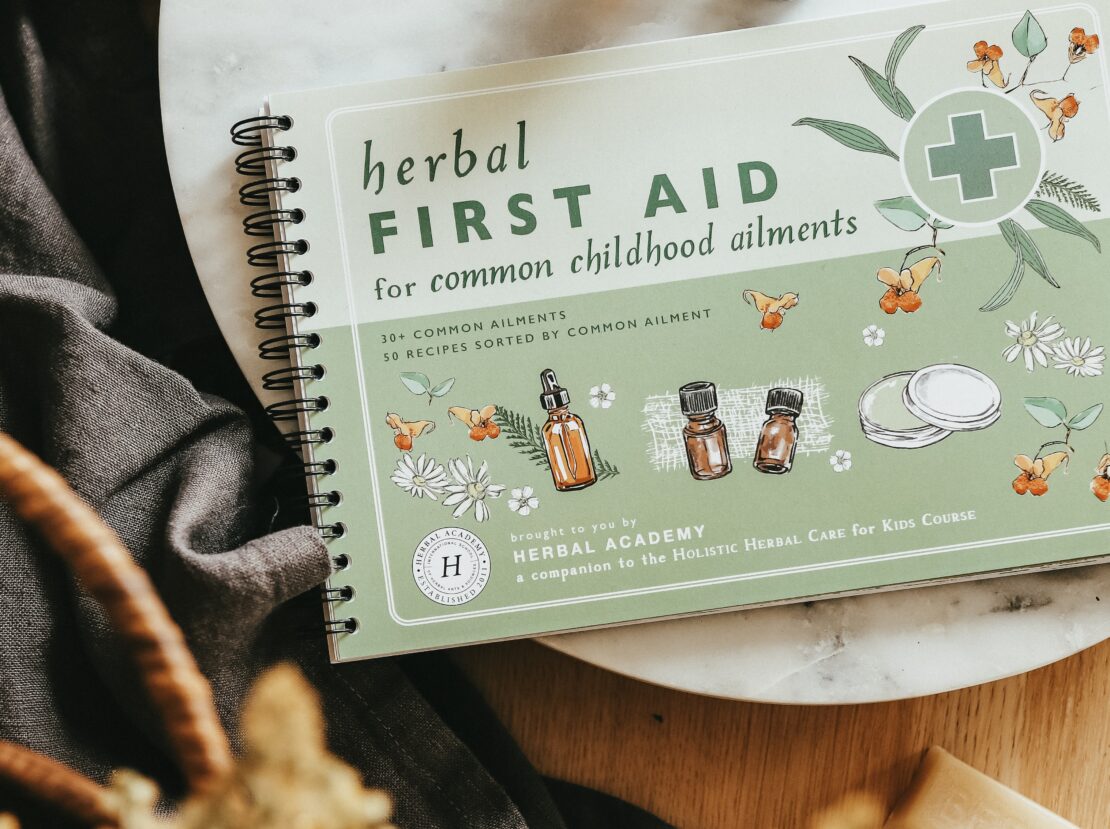
Must Haves for Your Family First Aid Kit
Every parent knows the drill – you are out on a hike or playing at the park when your child takes a tumble and is injured. C...
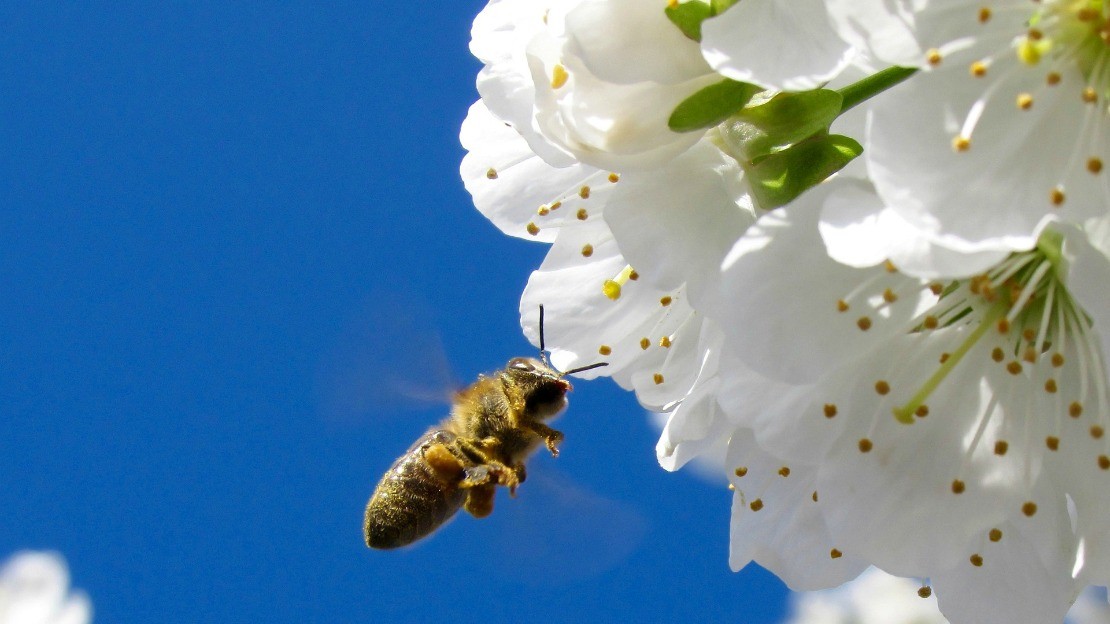
The Grass Isn’t Greener: Inviting Bees Into Your Yard
For bees and beekeepers, the sight of closely-cropped lawns bordered with rows of non-blooming shrubbery will never garner any votes for, “Yard of the Month.” Gone are the days when these boring patches of green are considered fashionable. Rather, we favor the yard dotted with bright, yellow dandelions and a variety of blooming native plants….
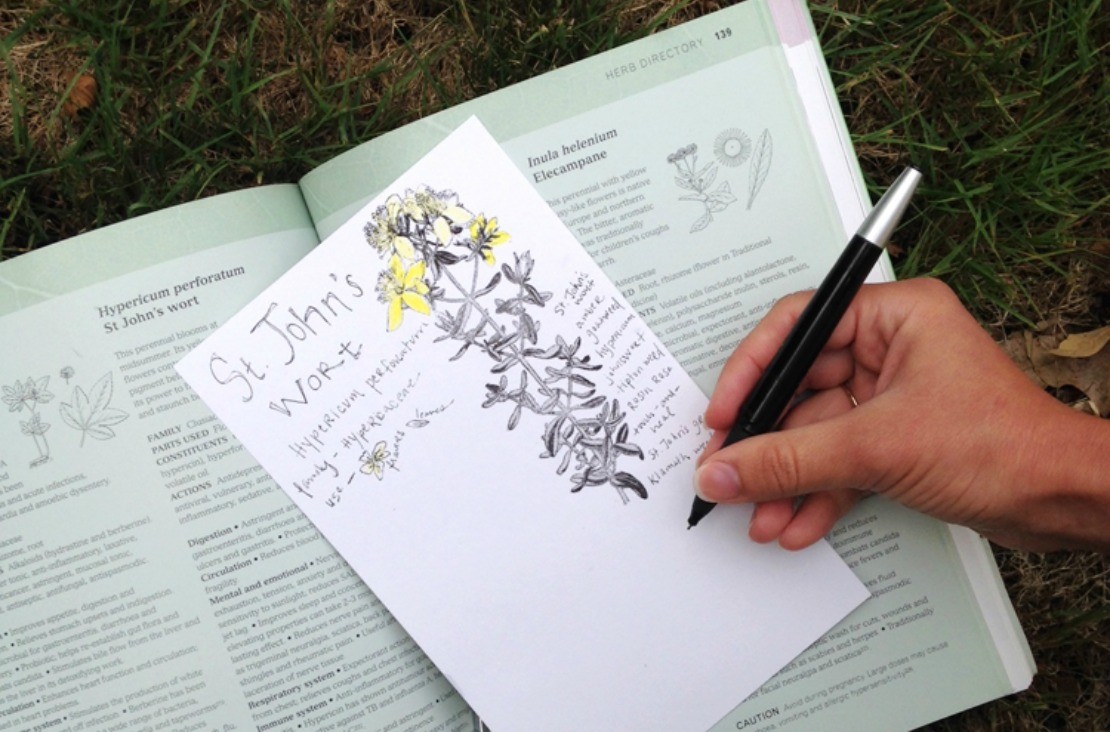
What is a Materia Medica?
Every field of study employs its own language, words, and phrases that become an integral part of engaging with the discipline. In herbalism, one such phrase is “materia medica,” which comes from Latin and literally means “healing materials.” More specifically, a materia medica is a body of knowledge that describes how plants have been used therapeutically throughout the…
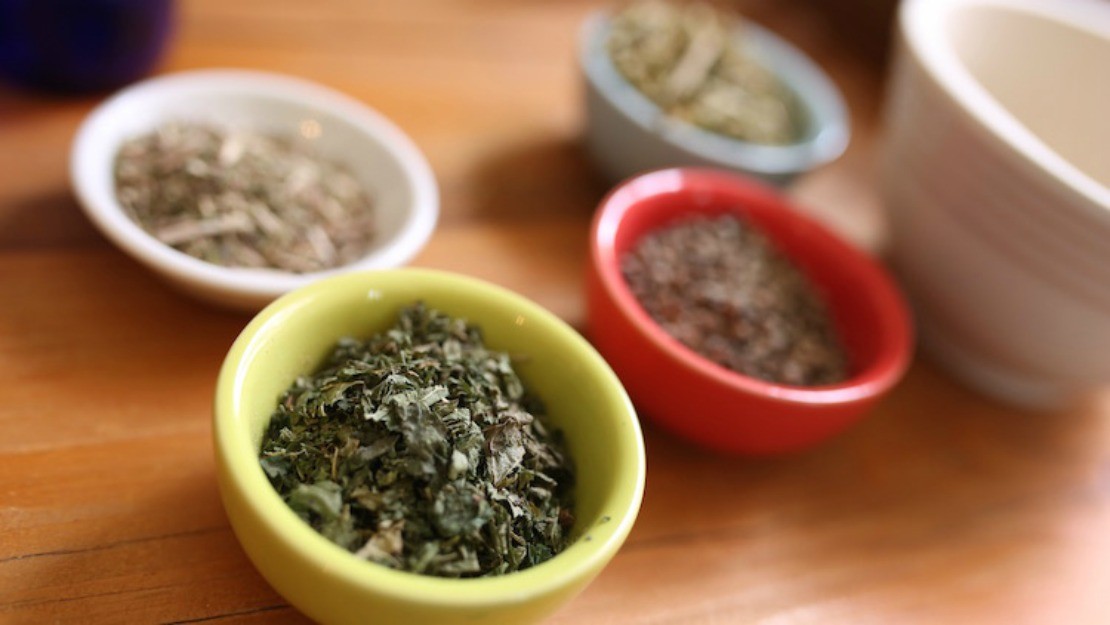
The Limits of Herbalism
Herbs have limits, too. For all the amazing ways that herbs can enrich our lives and help us heal, there are still things for whic...
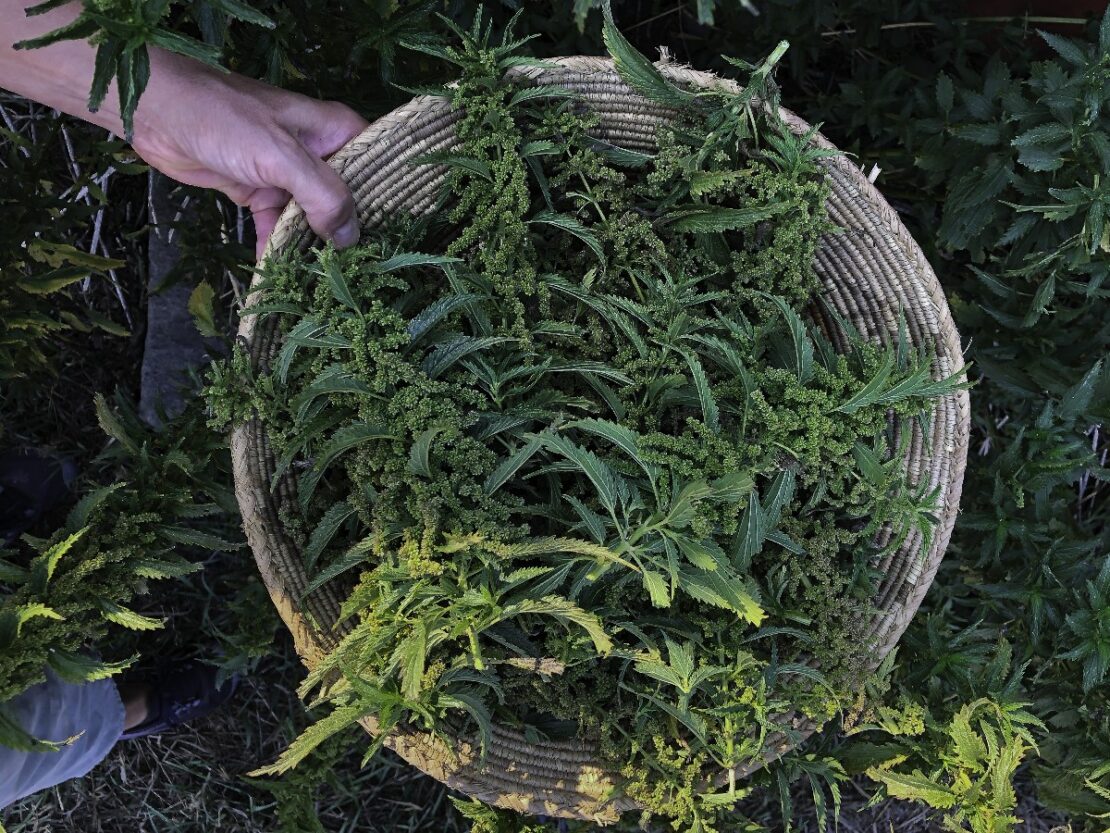
Herbal Allies for Families During Allergy Season
Springtime brings the waking of green things from the Earth. The air is fresh and wild, and we feel called to the out-of-doors, to...

The Importance of Finding an Herb Mentor
Community is an important aspect of herbalism. Herbalism is all about relationships, after all – the relationships we have with each other and with health as well as the relationships we have with plants. One of the most special relationships within herbalism, though, is the relationship between herb mentor and student. Most herbalists eventually find some…
Herbs Work in All Seasons
Herbs work in all seasons – both in the seasons of nature and in the seasons of our lives. There to support us in the unique challenges our bodies face each season – the allergies of spring, summer’s heat, winter’s colds – herbs work with us year round. In the seasons of our lives, herbs…

Herbs Work for Families
Herbs work as part of many different lifestyles, and family life is no different – herbs are the perfect complement to family ...
Herbs Work as a Foundation
One of the most beautiful roles we fill as herbalists is that of teachers. In a way, it really doesn’t matter what path we take ...
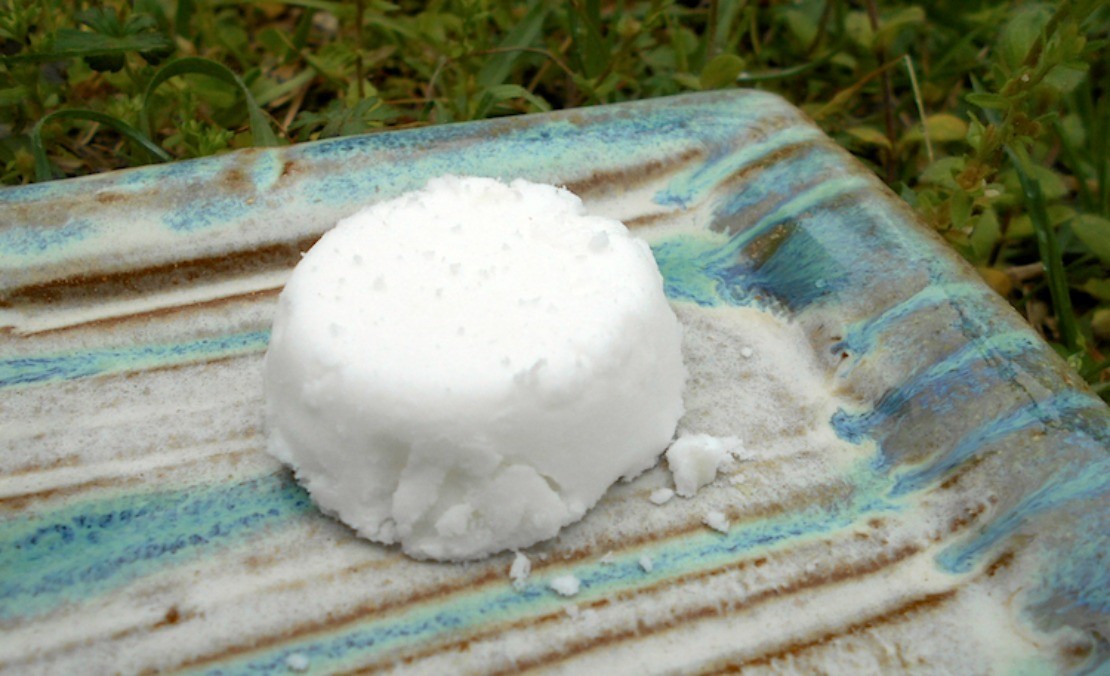
Seasonal Allergy Support With DIY Aromatherapy Shower Tablets
Spring is finally here and it is so beautiful! Gardens are waking up and bees are searching out all the flowers that have suddenly bloomed. It really is a magical time of year and a great season for outdoor activities such as gardening and foraging. However, many of us deal with seasonal allergies during spring…

Herbs Work as a Lifestyle
Herbs work, but they work best if we do a little work, too! In order for us to receive the most benefit from the herbs we use, we need to focus on right living – on developing a lifestyle that allows us to grow into our best health. Herbs work their best work within the framework…
Herbs Work As Our Companions and Allies
As herbalists, it’s important for us to learn about plants through hands-on experience, and we are richly rewarded for the time ...
