Ginger Glycerite Video and the Scientific Principles of Herbal Extraction
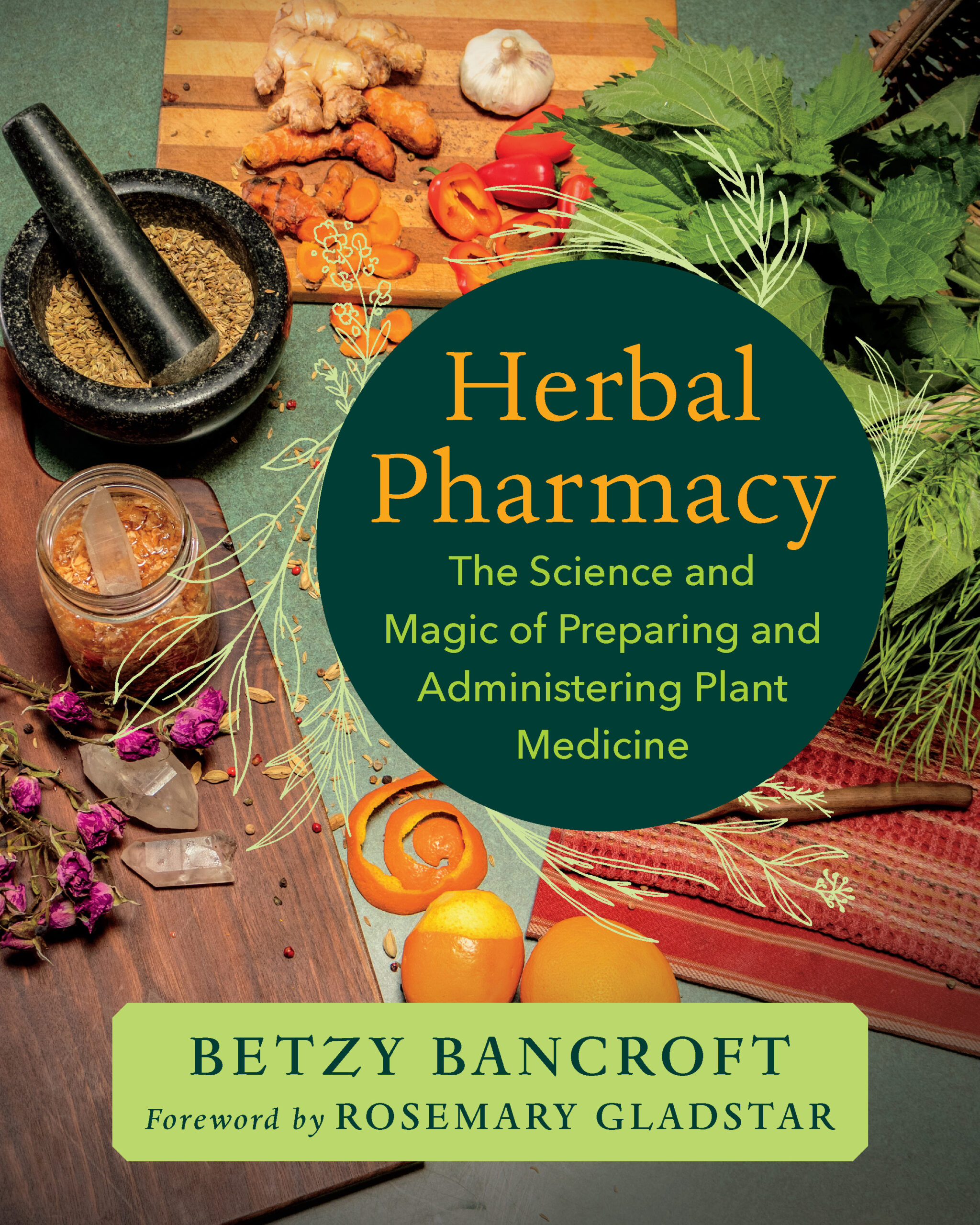
In Herbal Pharmacy: The Science and Magic of Preparing and Administering Plant Medicine, Betzy Bancroft, RH(AHG), explores the juncture between modern phytochemistry and the artful intuition that has long guided herbal practice. She explains not only how to optimize the herbal preparation process, but why one form may be preferable over another—when a tea makes the most sense, when a glycerine extract is more appropriate, or when a salve or topical preparation is the better choice. Grounded in both science and rich experience, Betzy offers a clear, practical framework for crafting and dosing plant extracts with confidence.
Anyone who has asked a room full of herbalists about the “right” way to prepare or dose even a common herb like ginger (Zingiber officinale) rhizome knows there’s rarely just one answer. That is part of what makes herbalism so dynamic. Still, understanding what research reveals about plant constituents—and how those constituents interact with the body—strengthens clinical outcomes. In her book, Betzy walks readers through her checkpoint process as she prepares a range of potent herbal staples, covering key considerations such as surface area, ratios, extraction time, solvent compatibility, and energetic qualities.

The exclusive written excerpt below gives readers a glimpse of Betzy’s straightforward, yet nuanced, approach to herbalism. In the accompanying video presentation, Betzy takes viewers step by step through her reasoning, demonstrating how she determines the most suitable preparation for a given herb and how to prepare it effectively. Both the video and the written excerpt spotlight herbal glycerites—one of the featured solvents in the book—including special recipes for rose and ginger glycerites.
Head on over to The Herbarium to find the whole excerpt from Betzy’s new book and the exclusive, full length video in which she further dives into making herbal glycerites and the key decision points when creating a potent preparation, including how to maximize surface area, proportion, time, menstruum choice, and energy.
The following is excerpted from Herbal Pharmacy: The Science and Magic of Preparing and Administering Plant Medicine by Betzy Bancroft, published by Chelsea Green. Copyright © 2026 by Betzy Bancroft.
Science of Extraction
Whether we’re preparing teas, oxymels, tinctures, or plant dye baths for fiber, we must consider several key factors in the process of diffusing plant constituents into liquids. These factors include the amount of surface area of the plant matter, the amount or kind of energy applied to the process, the optimal amount of time for extraction to take place, the proportion of herb to liquid, and the chemical compatibility of the constituents and the liquid. Paying attention to these factors facilitates the extraction process, which includes ensuring the plant material is broken down enough to release its constituents and taking steps to facilitate the mingling of herb and liquid. These factors become variables or decision points in creating the extract we desire.
Glycerin and Other Menstruums
Glycerin is an interesting substance. Discovered accidentally by a chemist during the eighteenth century, it has become an important ingredient in a huge range of products, literally from dynamite to skin creams. Also known as glycerol or glycerine, glycerin both attracts and holds water molecules. It is classified chemically as a trihydroxy alcohol, or glycyl alcohol, because it is made up of three hydroxy groups. The chemical formula for glycerin is C3H8O3, which are the same atoms in different proportions and arrangements as fatty acids, sugars, and ethyl alcohol, but glycerin is distinctly different from these other substances.
About Glycerin
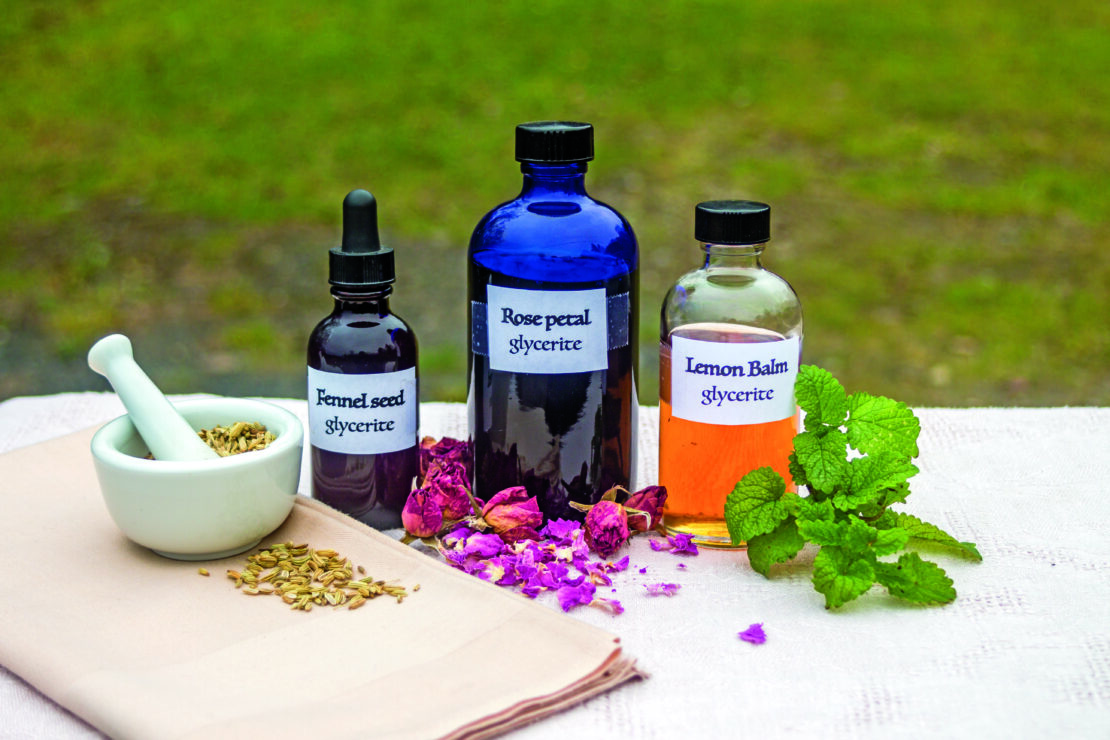
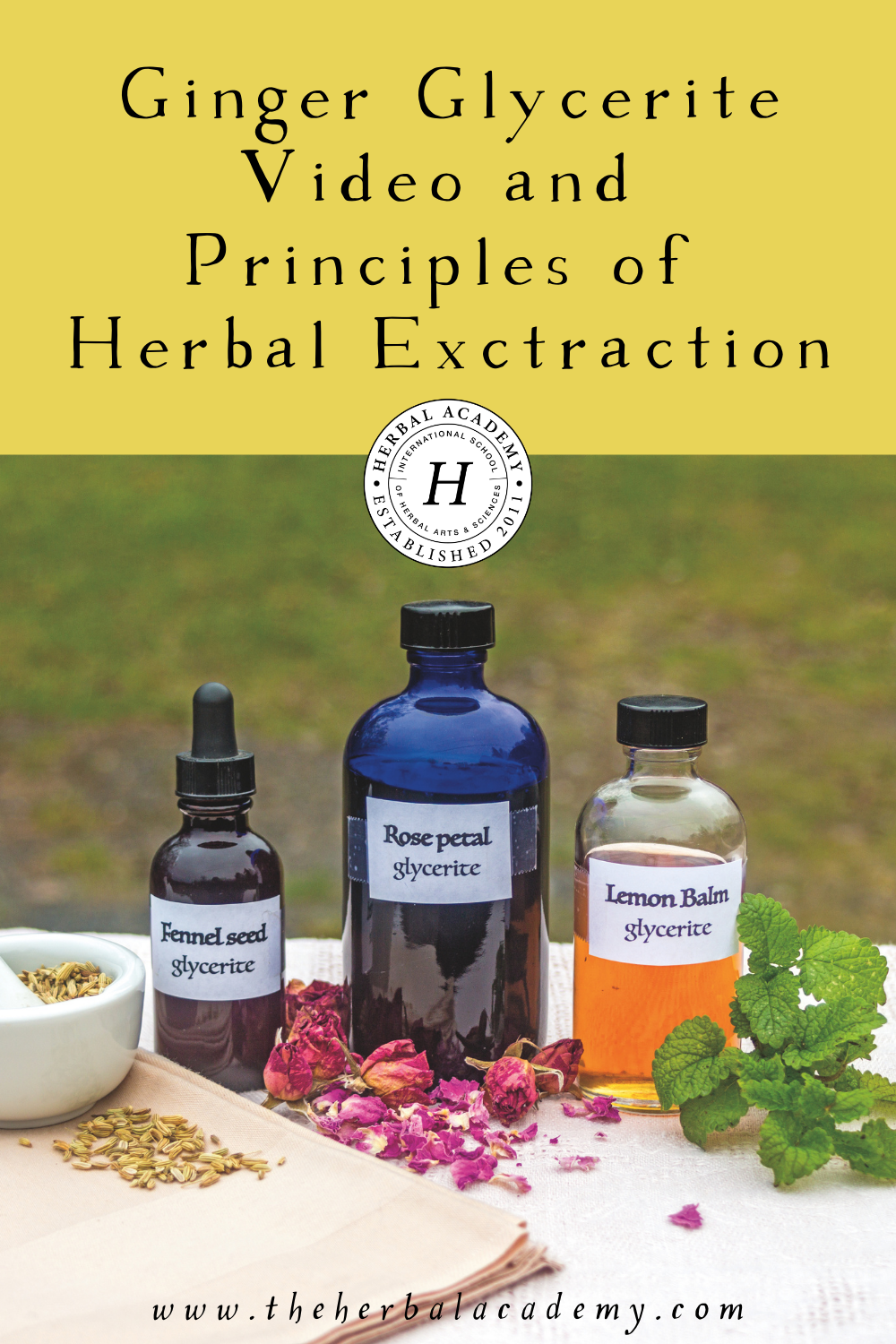
Vegetable oils, including coconut or soybean, are the most common source material for the commercial production of glycerin. These oils yield larger quantities of glycerin than do animal fats. Glycerin can also be produced synthetically from propene, a hydrocarbon gas. The glycerin available in bulk from natural food stores or suppliers is made by hydrolysis of vegetable oils, which is why you’ll see “vegetable glycerin” on the label. It can often be found in the wellness section of natural food stores by the pint or quart. Glycerin is used in many cosmetic, pharmaceutical, and food products because of its hydrophilic or water-loving properties and sweet taste. It is a colorless, odorless liquid that is rather viscous, or syruplike, at room temperature. At the low concentrations in which it is typically used in these kinds of products, glycerin is not toxic, but it can have dehydrating effects because of its water-attracting properties. The FDA lists glycerin as “generally recognized as safe [GRAS] when used in accordance with good manufacturing practices,” and it’s especially used in herbal remedies marketed to children and pets. Indeed, glycerin-based herbal extracts, also called glycerites, are useful remedies for those who must, or prefer to, avoid alcohol.
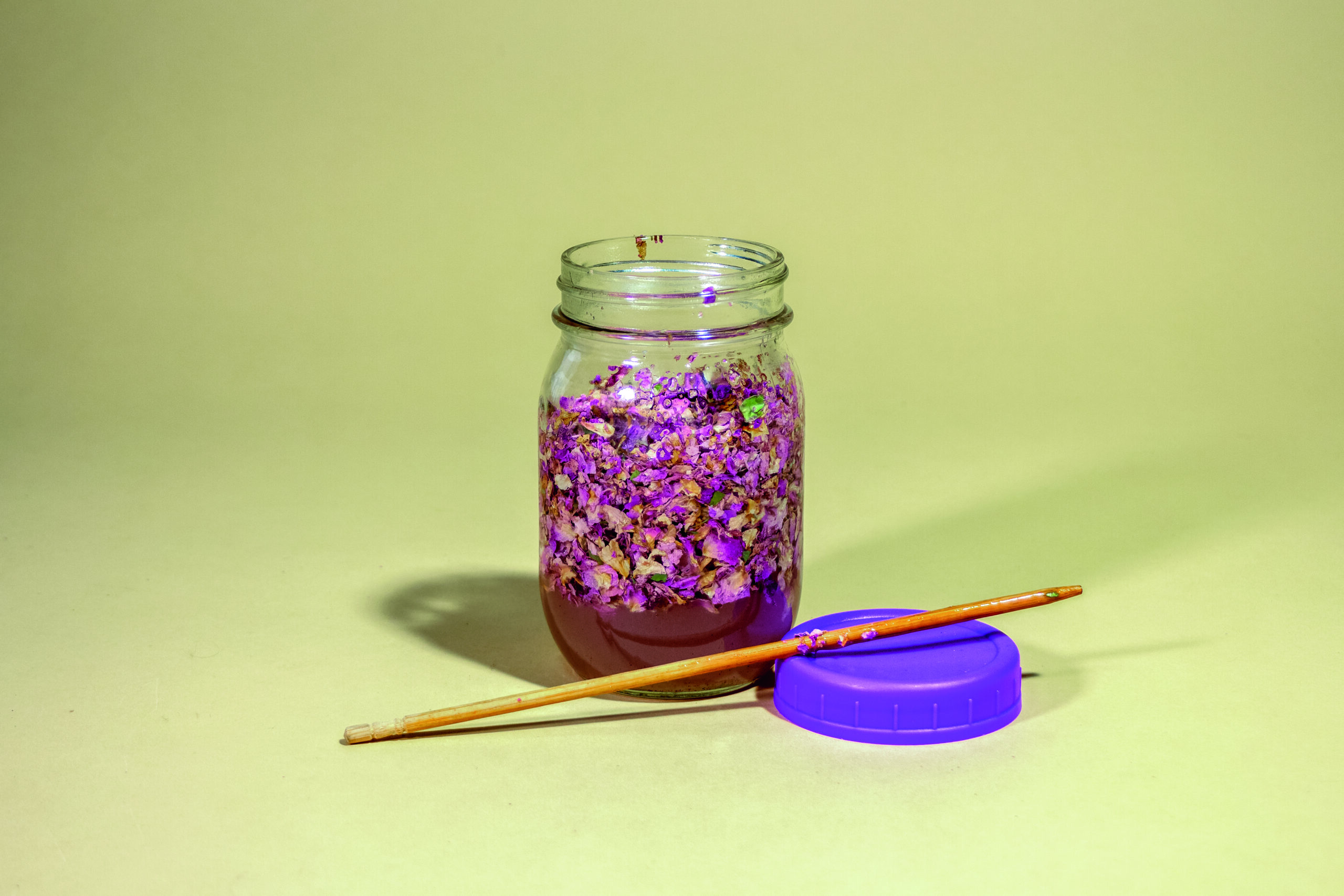
Glycerin’s Medicinal Effects
Glycerin has a number of medicinal effects, both topically and internally. Because glycerin is very water-loving or hydrophilic, it both absorbs water molecules from surroundings such as air or body tissue and then holds those water molecules. This characteristic helps skin products with high water content remain emollient, and less likely to dry out in more arid environments. However, it also means glycerin can pull water out of our skin or mucous membranes when used in pure form. This is why full-strength glycerin can feel somewhat sticky and irritating on the skin. Glycerin should always be diluted with water when used topically. In skin creams, glycerin can act as an emulsifier, helping to hold the water and oil ingredients together in a homogenous consistency. Glycerin is also used to enhance the texture of creams and helps keep them from freezing or drying out.
Glycerin is often used in pharmaceutical suppositories, administered rectally to treat constipation. It has a hyperosmotic laxative effect, attracting water into the rectum to lubricate the stool. When administered orally in a high enough dose, glycerin works as both a laxative and an osmotic diuretic, by causing the absorption of water from tissues into interstitial fluid and blood plasma, and then in turn preventing water reabsorption in the kidney, which leads to increased urine output.
Join Betzy Bancroft in the video excerpt below as she shares more about herbal extraction and the phytochemistry behind making herbal preparations while she demonstrates how to make a delicious glycerite using fresh ginger!
This video is in tandem with The Herbarium membership at Herbal Academy. The Herbarium is a beautiful digital portal where herbal knowledge, discoveries, and lessons await! Whether you’re an herbal student, clinician, business owner, researcher, or hobbyist, The Herbarium membership offers a convenient and affordable online library that’s packed with trustworthy herbal resources and reference materials. Check out more here: https://herbarium.theherbalacademy.com/
SEE THE FULL LENGTH VIDEO IN THE HERBARIUM!
Interested in learning more about the science of herbalism, how to make optimal herbal preparations, and see Betzy fully prepare her ginger glycerite? Members of The Herbarium can join herbalist Betzy Bancroft as she delves into these topics in more depth! You’ll find this enlightening video in The Herbarium, along with the excerpt of Herbal Pharmacy: The Science and Magic of Preparing and Administering Plant Medicine.
Interested but not yet a member of The Herbarium? Get access today with quarterly or annual membership!
The Herbarium is an ever-expanding, illuminating virtual collection of nearly 220 (and counting!) searchable monographs, 20+ unique intensive short courses on focused topics, illuminating masterclasses, and numerous informative articles, videos, ebooks, podcasts, and helpful downloadable resources. The Herbarium is crafted for herbalists to help you learn and grow in your herbalism journey!
Learn more and sign up for The Herbarium here.
Find Herbal Pharmacy: The Science and Magic of Preparing and Administering Plant Medicine, by Betzy Bancroft via Chelsea Green through Penguin Random House or Amazon.

Betzy Bancroft has had a deep appreciation for the magic of plants since childhood. She’s been teaching herbal medicine for over 3 decades, currently at Sage Mountain and the Vermont Center for Integrative Herbalism (VCIH), a non-profit herb school and clinic she helped found, as well as herbal and agricultural conferences. Betzy is a professional member of the American Herbalists Guild, practices as a clinical herbalist and is a supervisor for VCIH’s student clinic. Betzy is also a United Plant Savers Advisory Board member, and previously served as that organization’s office manager for a decade. She has compiled her experience and curriculum in the new book, Herbal Pharmacy: The Science and Magic of Preparing and Administering Plant Medicine just published by Chelsea Green. Besides medicine making, she’s fascinated by microbes and phytonutrients.
Connect with Betzy Bancroft at her Instagram or website herbalpharmacybook.com
About Post Author